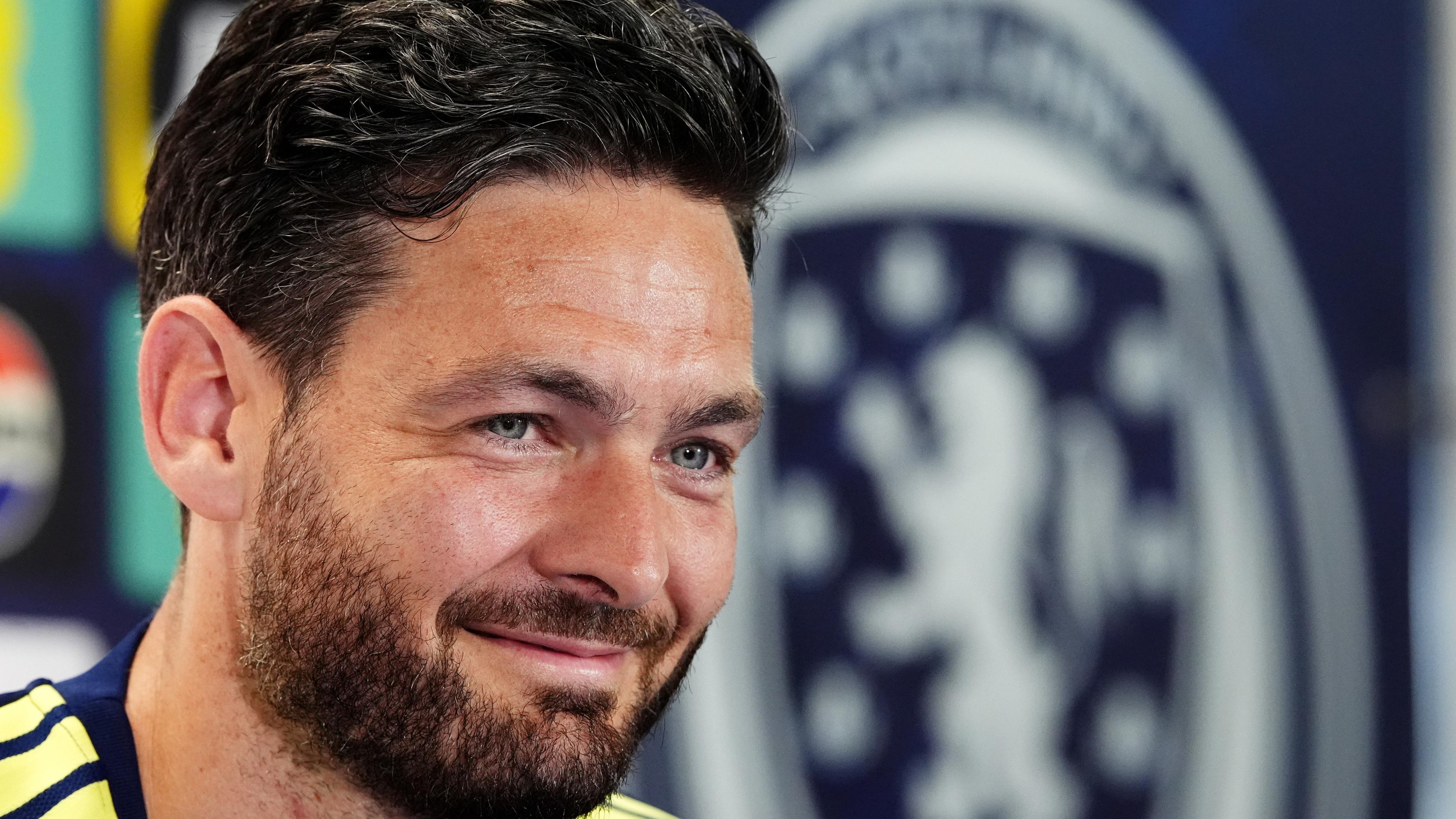
Craig Gordon sat in a London surgeon's office in March and listened to words that would have ended most careers: paralysis, death. The 43-year-old Scotland goalkeeper had a neck injury that demanded surgery, and Usamah Jannoun, the spine doctor across the desk, wasn't offering false comfort. Yet months later, Gordon was in Charlotte, North Carolina, preparing for a World Cup that seemed impossible just when the surgeon's warnings still echoed in his ears.
For four decades, Gordon has been rewriting the narrative of what an athlete's body can endure. His career reads like a catalogue of comebacks—not the triumphant kind you see in movies, but the grinding, quiet kind that requires years of pain, doubt, and the kind of resilience that doesn't make headlines until you realise what's actually happened. Since making his Scotland debut more than 22 years ago, he has fought through ankle problems, broken arms, a broken leg, knee surgeries, shoulder problems, and a patellar tendonitis in 2012 that left him unable to climb stairs or walk down the street without major difficulty. That condition alone—a career-threatening injury—cost him two years of football. He estimates he has missed roughly 1,975 days of action, around 200 games. A surgeon once advised him to retire. He chose to keep going.
The neck surgery this year came with a genuine risk of permanent paralysis. When Gordon faced the choice of whether to proceed, he thought not of trophies or records, but of his children. "I need to be in a good enough state to play with the kids, to make sure they're getting brought up with a dad that can play with them and be active," he said. A World Cup, in his mind, became the final argument for taking the risk. Without it, he would have retired at the end of the previous season. With it—with the possibility of one last tournament—he chose to have surgery and fight back.
What makes Gordon's return truly improbable is how little playing time he had in the season leading up to it. Hearts' Alexander Schwolow kept him on the bench for much of the year. Gordon started only six matches—three for his club, three for his country. But one of those matches was Scotland's 4-2 victory over Denmark in November, the game that sent his nation to their first World Cup in 28 years. "I was emotional," he said of that night at Hampden. "I definitely cried in my room about that, about how much it meant to everybody."
At 43, Gordon is the oldest player at the 2026 World Cup. Should he get game time against Haiti on Saturday, he will become the second-oldest player in World Cup history. The competition between him and younger rival Angus Gunn for the starting goalkeeper position remains genuinely open—Gunn is the current favourite, but Gordon's two decades of proving people wrong suggest the past is prologue.
This is perhaps the most resilient footballer Scotland has ever produced, a man who has absorbed physical and mental punishment without breaking. His journey—from a spine surgeon's warning about paralysis to the World Cup pitch—is a portrait not of invincibility, but of something rarer: the choice to keep trying when you have every reason to stop.