When most sports fans picture rivals, they imagine fierce competition and locked gates. But in Welsh rugby, something different happened: two top teams — Cardiff and Ospreys — shook hands on a player move that everyone agreed was best for the young athlete and the sport itself.
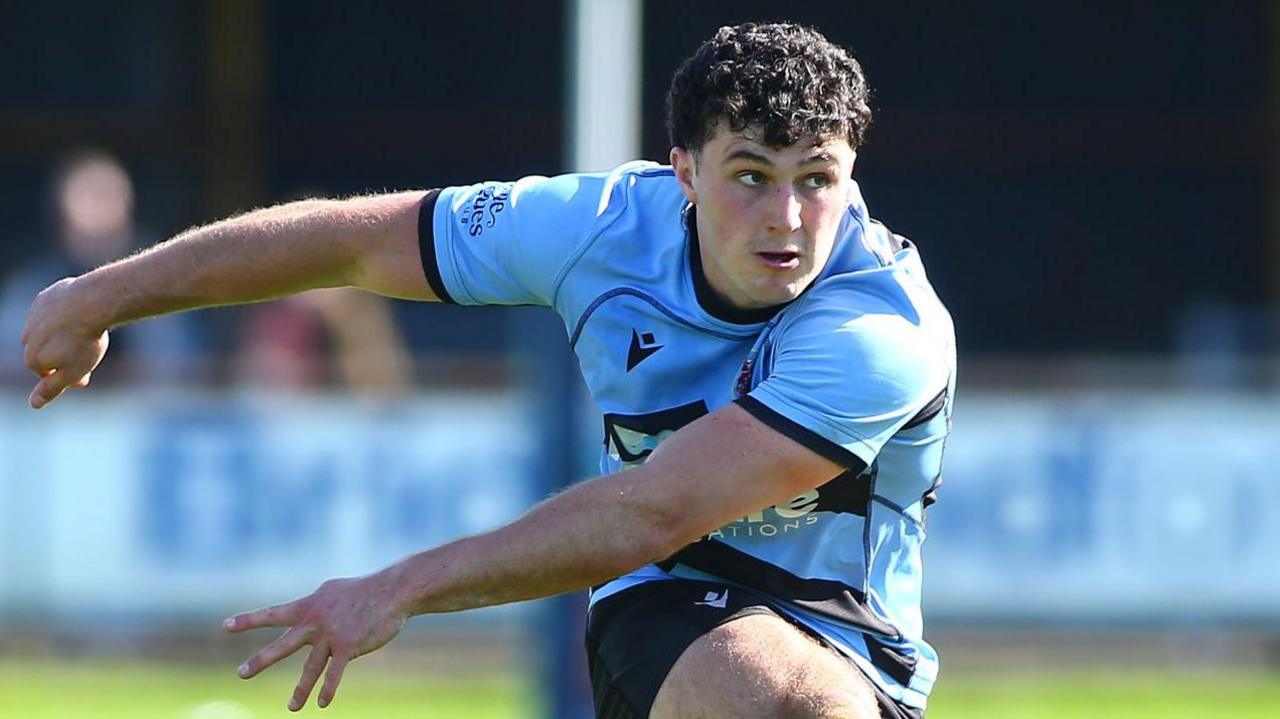
Harri Wilde grew up dreaming of professional rugby, and last November that dream came true. The fly-half — the player who directs the team's attacks and kicks the ball — made his debut in the United Rugby Championship (URC), a top-tier league featuring teams from Wales, Ireland, South Africa, Scotland, and Italy. Wilde's first taste of URC action was a brief appearance against Zebre, but it was enough to catch attention.
Here is where the story takes an unexpected turn. Before Ospreys even came calling, Wilde had already signed a long-term contract with Cardiff. So when their rivals approached with an opportunity, Cardiff's coaching staff had a choice: hold tight or do what was best for the player.
"We felt it was not only a good opportunity but also the right thing for Harri to go and develop his game in a high-performance team, while hopefully getting a bit more game time in the URC," said Corniel van Zyl, Cardiff's head coach.
Ospreys, meanwhile, welcomed Wilde as part of a broader effort to strengthen their squad. They also signed Lawson Creighton, an Australian player who can fill multiple positions — fly-half, centre, or full-back — giving the team flexibility.
"This move is a fantastic example of Welsh clubs working together for the benefit of the national game," said Ospreys head coach Mark Jones. "It gives us further quality depth to our 10 options and for Cardiff it ensures one of their young prospects gains valuable exposure to high-level competition."
For Wilde, the transition means more than just changing jerseys. When not playing in the URC, he will feature in Super Rygbi Cymru — essentially Cardiff's development league for rising players. It's a pathway designed to sharpen skills against real competition, not just in training.
The deal reflects a quieter truth about Welsh rugby: beneath the rivalry, coaches and administrators often share a common goal — developing players who can eventually wear the red jersey of the national team. In that sense, Wilde's move may prove that cooperation can be just as powerful as competition.