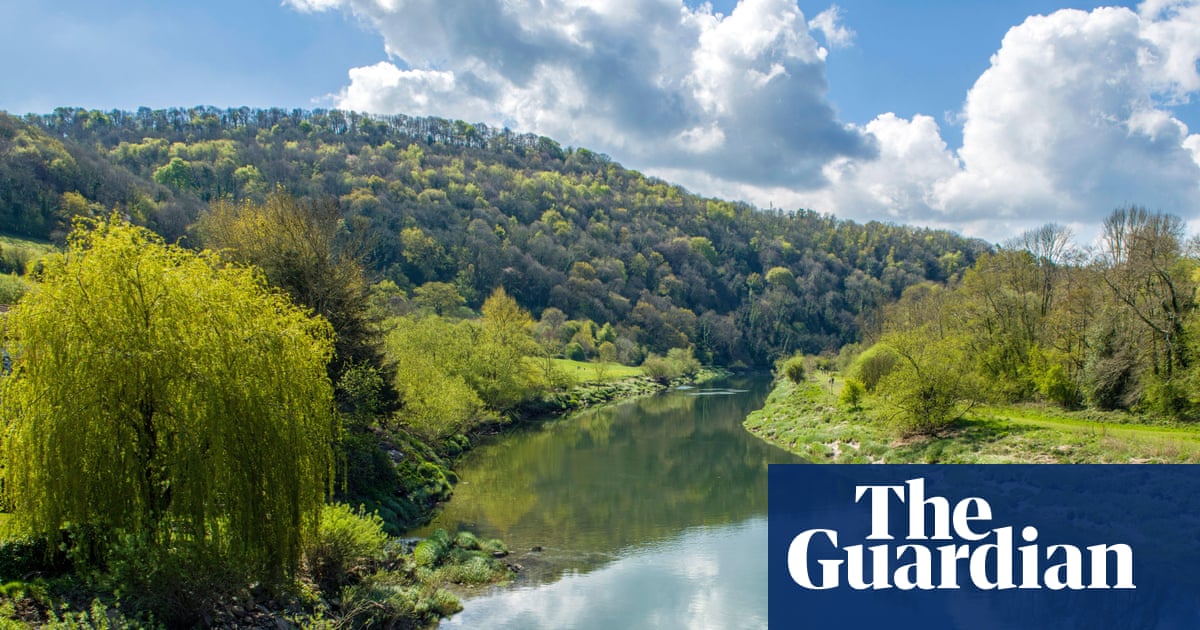
The entire River Wye—all 130 miles of it, from the Cambrian mountains in Wales to the Bristol Channel at Chepstow—now has legal rights. This week, the Welsh and English border river became the first in the UK to have its complete catchment formally recognised as a living ecosystem with intrinsic rights, celebrated at the Hay-on-Wye literary festival. It's a watershed moment that reveals both radical hope and urgent crisis in equal measure.
The River Wye Charter grants the river six fundamental rights: the right to flow, to biodiversity, to be free from pollution, to be supported by a healthy catchment, to regenerate, and to be represented. Herefordshire and Powys county councils have already adopted the charter, with Gloucestershire and Monmouthshire expected to follow, bringing all four local authorities that touch the Wye's course into alignment. In a historic first, Dr Louise Bodnar became in 2025 the formally appointed voice of the River Wye, holding a voting seat on the Wye catchment nutrient management board—giving the river itself a voice in decisions that affect its survival.
This initiative joins a rising global wave. Rivers in Ecuador, Canada, and New Zealand have been granted legal personhood in recent years, and the UK House of Lords is considering a proposal from former Green Party leader Natalie Bennett to change nature's legal status from objects and property to subjects with inherent rights. But the Wye charter carries particular urgency because of what the river has endured.
Over the past decade, the Wye has suffered what campaigners describe as near ecological collapse. The culprit is industrial-scale pollution: excess nutrients from rapid expansion of chicken farming in the river's catchment, compounded by sewage spills, have triggered algae, fungus, and weed blooms that have strangled the ecosystem. The scale of public concern is staggering—more than 4,500 people who live or work near the Wye and nearby rivers have joined the largest environmental pollution claim ever to reach the high court, alleging that Avara Foods, one of the UK's largest chicken producers, and Dŵr Cymru (Welsh Water) are responsible. Both companies deny liability.
Angela Jones, an environmental campaigner from Symonds Yat, captured the paradox exactly: "The charter is an important and historic statement of intent. What is needed now is urgent action: stronger regulation of intensive poultry operations, meaningful limits on nutrient pollution, proper enforcement against offenders, and a fully funded restoration strategy for the entire catchment." Without it, she warned, future generations may inherit a biologically dead river.
Jackie Charlton, Powys County Council's cabinet member for a greener Powys, framed the charter differently: "By adopting this charter, we are making a clear statement that the river's health matters and must be protected. This is about working together with partners and communities to restore the river and safeguard it for generations to come." While the Wye's rights are technically already embedded in existing legislation and regulatory frameworks, the charter represents something psychologically and politically distinct—a formal declaration that the river's wellbeing is not negotiable. The question now is whether that declaration can transform into the urgent, meaningful action that campaigners say stands between the Wye and the edge of the abyss.