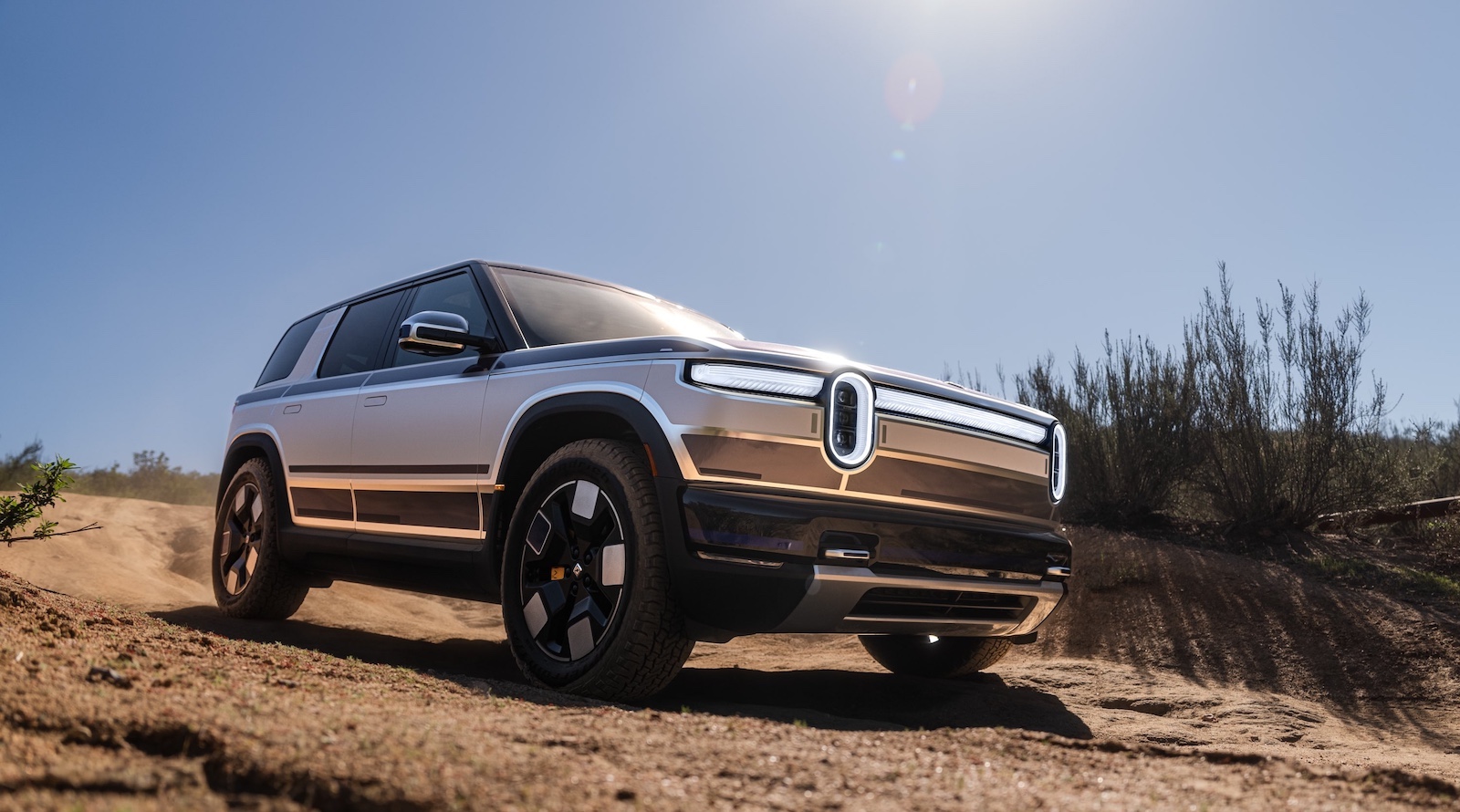
RJ Scaringe, the founder and CEO of Rivian, stood in front of a crowd earlier this year and made a promise that sent ripples through the electric vehicle world: by late 2026, Rivian drivers will have access to a full supervised point-to-point driving system nearly identical to Tesla’s vaunted Full Self-Driving (FSD) suite. The feature will roll out to all Gen 2 vehicles and the upcoming R2 platform, marking a bold step in the race for advanced driver-assistance systems. While Tesla has dominated the conversation for over a decade, Rivian is betting that a smarter sensor array — more akin to Waymo’s than Tesla’s camera-heavy approach — can close the gap faster than expected.
This isn’t just about convenience; it’s about control. As consumers increasingly demand autonomy in their personal vehicles rather than relying on robotaxis, the pressure is on automakers to deliver. Rivian’s strategy hinges on the belief that people want self-driving capability in their own cars, not just in shared fleets. That vision gained financial backing in March when Rivian secured a $1.25 billion deal with Uber to supply 50,000 fully autonomous R2 vehicles for future robotaxi operations — a deal that only makes sense if Rivian can actually deliver on its self-driving promises.
The company’s timeline is aggressive. Scaringe previously suggested unsupervised autonomy could arrive as early as next year, though he’s since extended that forecast to 2030. Still, the late 2026 target for supervised point-to-point functionality is concrete and imminent. Unlike Tesla, which has relied heavily on vision-based systems and faced criticism for overpromising, Rivian is building with a broader sensor suite from the start, including radar and lidar-like technologies. This approach may allow it to sidestep some of the pitfalls that slowed competitors, leveraging advances in hardware and AI that didn’t exist when Tesla first launched its efforts.
Skepticism remains, of course. The automotive world has heard big promises before — many of which failed to materialize. But Rivian isn’t starting from scratch. Its vehicles already boast sophisticated software architecture and over-the-air update capabilities, essential for deploying and refining autonomous driving features. And with a major ride-hailing company like Uber placing a multi-billion-dollar bet on its technology, the stakes — and credibility — are rising.
If Rivian delivers, it won’t just catch up to Tesla — it could help redefine what drivers expect from electric vehicles. The road to autonomy is long, but for Rivian owners, a smarter, more capable drive may be just around the corner.