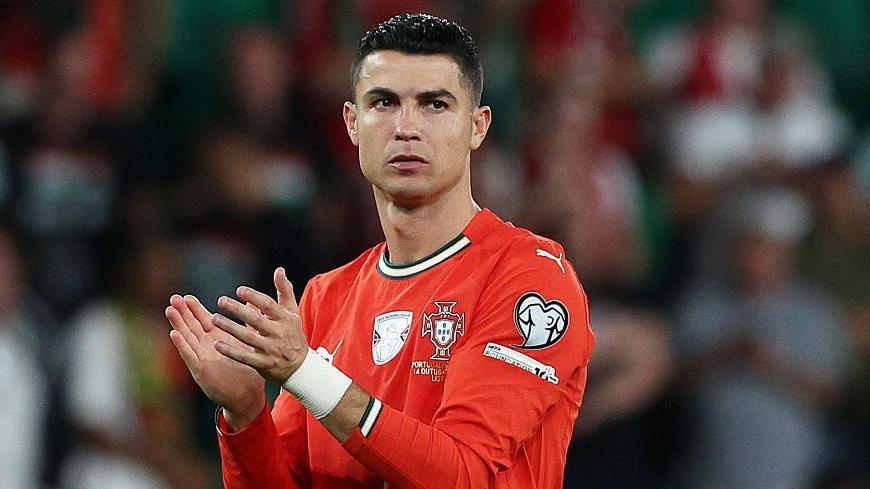
At 41, Cristiano Ronaldo has been named in Portugal's squad for the World Cup this summer, joining Lionel Messi in becoming eligible to play in a record sixth tournament. The two footballing titans, once fierce rivals in La Liga, will make history together—a fitting symmetry for two players who have redefined what longevity and excellence mean in modern sport.
Ronaldo's selection caps a career of almost unimaginable durability. He holds the men's record for international appearances with 226 caps and 143 goals, achievements that underscore why a team would call upon him at an age when most players have long since retired. His status as a five-time Ballon d'Or winner reflects a legacy forged across decades, and his continued presence in elite competitions—now playing for Saudi Arabian side Al-Nassr since January 2023—shows no signs of fading.
The Portugal squad Coach Roberto Martinez assembled numbers 27 players plus one, a reference that carries profound meaning. That "plus one" is Diogo Jota, the former Liverpool forward who died in a car crash last July. Rather than exclude his memory from the squad, Martinez made it symbolic. "He is our strength, our joy," the coach said. "Losing Diogo was an unforgettable and very difficult moment, but the very next day it was up to all of us to fight for Diogo's dream and for the example he always set in our national team. Diogo Jota's spirit, strength and example are the plus one and will always be the plus one." It's a way of saying that some absences loom larger than any presence on a roster.
Ronaldo avoided suspension for Portugal's group stage matches after being sent off against the Republic of Ireland in November during World Cup qualifying. His availability is crucial, as is the presence of midfielder Bruno Fernandes, who is pursuing the outright record for most assists in a Premier League season heading into Manchester United's final game.
Portugal's squad blends established stars with rising talent. A quartet from Paris St-Germain—Vitinha, Joao Neves, Nuno Mendes, and Goncalo Ramos—will compete in the Champions League final against Arsenal on May 30th before pivoting to international duty. The roster also includes midfielders Ruben Neves and Bernardo Silva, defenders like Ruben Dias and Joao Cancelo from Manchester City, and forwards including Rafael Leao of AC Milan and Joao Felix, who like Ronaldo plays for Al-Nassr.
Portugal face a competitive Group K campaign. They open against DR Congo in Houston on June 17th, followed by matches against Uzbekistan and Colombia in Miami. Before then, friendlies against Chile and Nigeria will provide preparation.
That Ronaldo and Messi will both compete in a sixth World Cup speaks to an era of football defined by exceptional care, professionalism, and an almost stubborn refusal to fade. Both have rewritten the rules of athletic longevity. Their simultaneous participation in this tournament feels less like a conclusion and more like a final chapter still being written—one that celebrates not just individual achievement, but the enduring power of the game itself to keep drawing back its greatest players.