On a spring day at Center Parcs, Sean Long's family holiday was interrupted by a phone call that would change everything: a rugby league club in north Wales was hours from extinction and they needed him to build a team from scratch in three days.
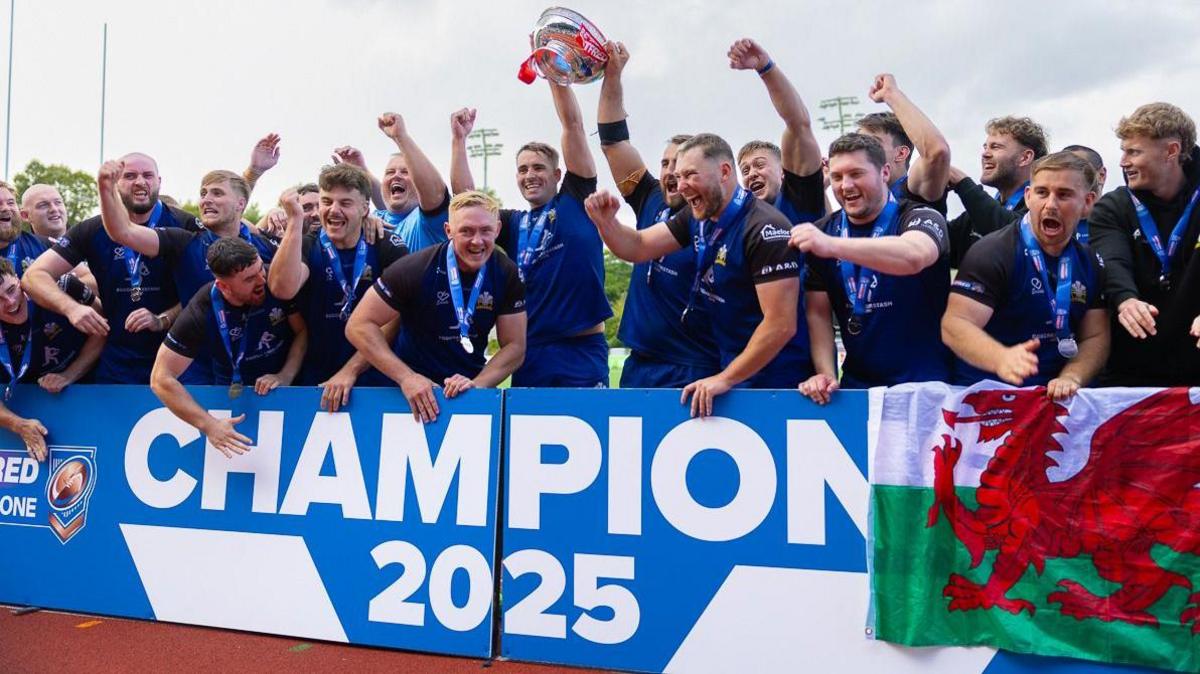
North Wales Crusaders, based in Colwyn Bay, had just won the League One title a few months earlier. But when the previous owners withdrew funding and players' contracts became void, the club spiraled into crisis. No one was being paid, players departed, and two matches had to be cancelled. Without intervention, the club would simply cease to exist—a stunning collapse for a team that had only recently tasted success.
What followed was a remarkable community rescue. A group of supporters and volunteers formed a new company, NW Rugby League 26 Ltd, and secured an interim licence from the Rugby Football League. Long, who had been leading the club's women's and development teams, stepped into the chaos. "We need a squad in three days. Where can we find them?" he recalled asking. He cobbled together players from the amateur game and called in favors from within the sport, racing to field a team for their fixture at Goole Vikings on May 9.
That match ended in an 80-0 defeat—a heavy loss, yet Long emerged feeling something unexpected: triumph. "I've never come away from a game having lost by so many points but actually feeling like I'd won," he said. The point wasn't the scoreline. It was that the team existed at all.
The challenges multiplied. The RFL deducted 12 points as punishment for the club's financial failings, turning what should have been a competitive season into a battle simply to survive. Then came the unfathomable: a 134-0 loss to London Broncos—the largest defeat in the top two divisions across rugby league's entire 131-year history. It was the third time Crusaders had conceded more than 100 points in a single match this season, another unwanted record.
Yet something remarkable was happening beneath those devastating scorelines. Jamie Elkaleh, who had originally become majority shareholder in June 2024 before handing over control to another group, returned as chairman to guide the rescue effort. "The fans have had a crazy time in the last few months," he said, acknowledging the nightmare of missing kit, unpaid bills, and the existential uncertainty that had gripped the club. "But frankly, not knowing whether they're going to have a rugby team to support."
More than 900 supporters showed up for the first home game under the new regime, with Crusaders embracing the occasion as a family event. Elkaleh was candid about what lay ahead: the RFL had made clear that the club must demonstrate financial viability and sustainability to secure a licence for 2027. "Without that, there'll be no North Wales," he said. But the club's leadership believes deeply that rugby league has a place in north Wales—not just for fans, but as a crucial part of the sport's infrastructure across Wales.
As the season unfolds, the story of Crusaders has become about far more than results. It's about a community deciding that extinction was not an option, that their rugby club was worth saving. Long, now head of rugby while Mike Grady returned as head coach, sees the transformation happening off the pitch. "There's stuff that goes on when cameras aren't there," he said, "and we're moving in the right direction." For a club that was hours from oblivion, simply having a future is the real victory.