At Lord's Cricket Ground in London, where history hums through the stands, the 2026 Women’s T20 World Cup has rewritten the record books — one boundary at a time. The tournament has exploded with run-scoring firepower, as five of the six highest team totals ever recorded in Women’s T20 World Cup history have come in just the past two weeks. Australia roared to 214 against New Zealand, England blasted 207 for 3 against South Africa, and both India and West Indies cleared the 200-run mark in pulsating group-stage clashes. These aren’t just standout performances — they’re signs of a shifting game, where power, precision, and pitch design are converging to elevate women’s cricket into a new era.
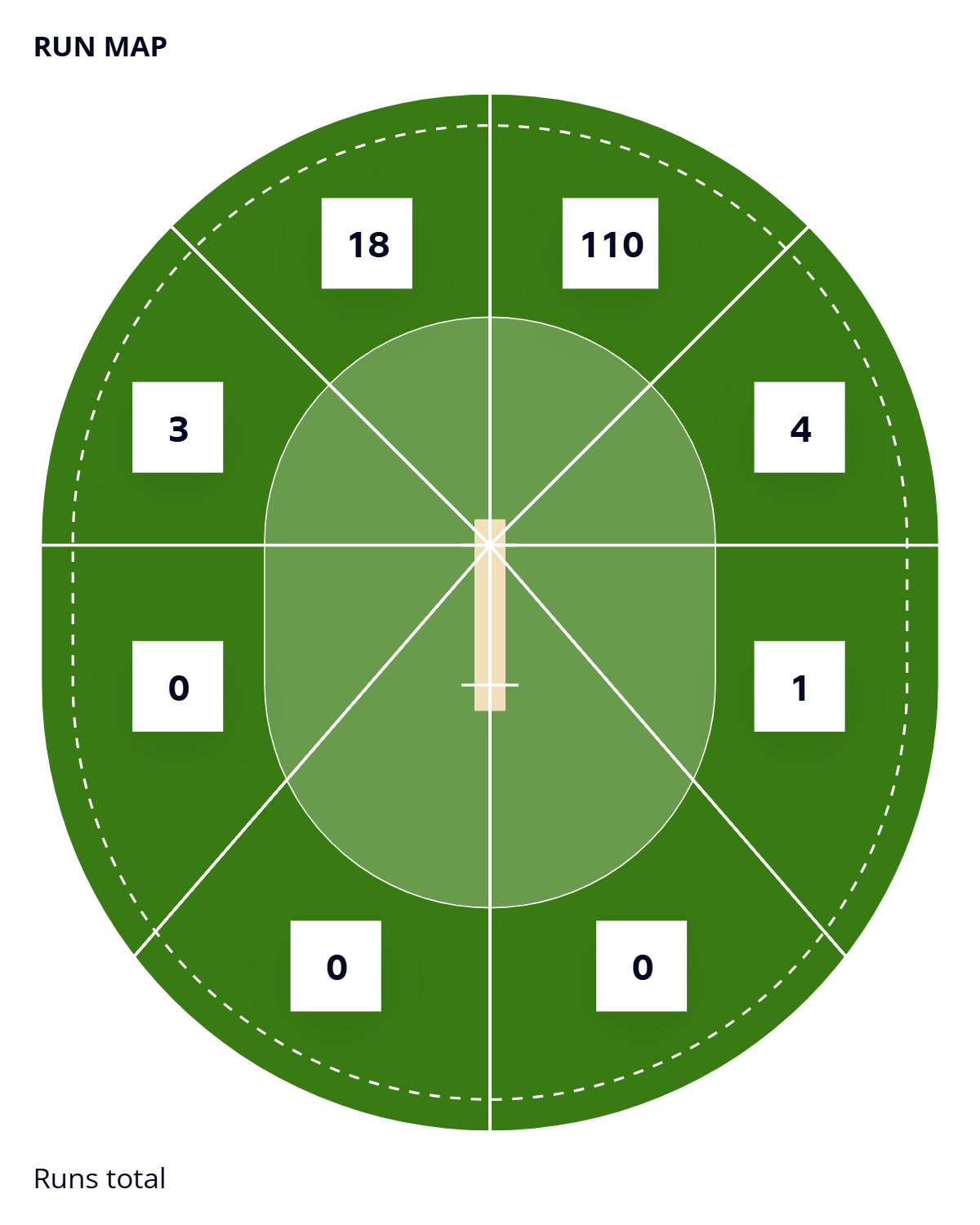
This surge isn’t accidental. The boundary percentage at this year’s tournament sits at 52%, meaning more than half of all runs have come from fours and sixes — a dramatic leap from the 40% recorded during the 2024 edition in the United Arab Emirates, where slower, lower pitches subdued stroke play. The contrast underscores a deliberate shift: organizers have prioritized flat, true surfaces that reward clean hitting and aggressive intent. The result? A festival of batting that’s not only thrilling fans but reshaping expectations of what’s possible in the women’s game.
Even chases are being redefined. Three of the four highest successful run pursuits in tournament history have unfolded in 2026 — a striking evolution in pressure management and confidence. Before this year, there had only been two such chases across nine previous editions. Now, teams are eyeing down big totals with a new calm. As former England spinner Alex Hartley observed, "If you come to a World Cup and have chased a big score seven times, what is the difference doing it an eighth?" It’s a mindset shift — one built on experience, exposure, and the normalization of high-stakes success.
The implications stretch beyond the boundary ropes. Young players watching from backyards and village greens now see women clearing the park with the same authority as their male counterparts. Broadcasters are highlighting the athleticism and strategy behind the power, while analysts dissect shot selection with renewed respect. This isn’t just entertainment; it’s inspiration in motion.
As the final rounds approach, one thing is clear: the 2026 Women’s T20 World Cup isn’t just setting records — it’s redefining the ceiling. And with every six that sails into the London sky, a new generation is learning that limits in women’s cricket are meant to be broken.