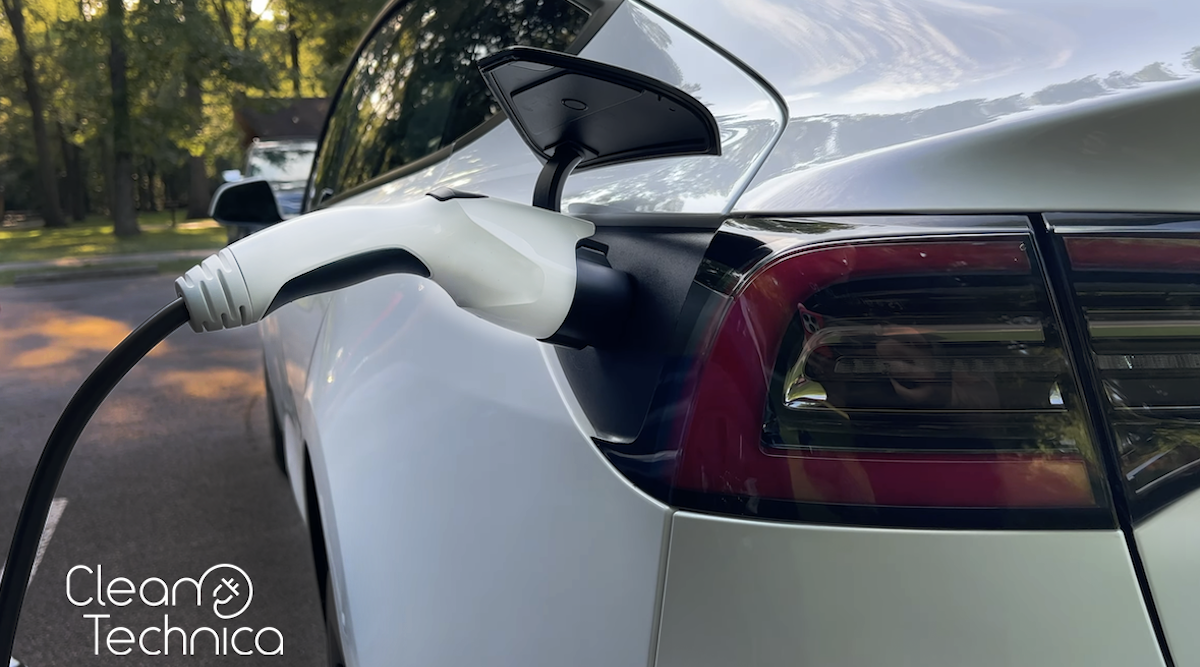
In San Mateo County and beyond, a quiet revolution is unfolding: 800,000 residents are charging their electric vehicles with electricity that comes primarily from water, wind, and sun—all at rates cheaper than what traditional utilities offer. Peninsula Clean Energy, a community choice aggregator, has made what once seemed like a premium choice available as the default for nearly everyone in its service area, eliminating the need for costly rooftop solar or special action to drive clean.
The appeal is straightforward. Electric vehicles already offer environmental benefits over gas and diesel engines, but to truly maximize that advantage, the electricity powering them matters. For years, this meant either installing a home solar system—an option out of reach for many due to cost, property limitations, or rental agreements—or simply accepting a dirtier charge. Peninsula Clean Energy changed that equation by aggregating customer demand and purchasing power on behalf of the region, bringing clean electricity to everyday people without asking them to opt in to something unfamiliar or expensive.
All customers automatically receive what the organization calls EcoPlus: clean, carbon-free electricity comprised mostly of hydropower, wind, and solar, at lower rates than the investor-owned utility. For those wanting to go further, there's Eco100, a fully renewable option with electricity sourced entirely from wind and solar. Neither requires paperwork or special arrangements—the system handles the switch. Phillip Kobernick, Associate Director of Energy Programs at Peninsula Clean Energy, notes that EV owners don't need to take any action to begin charging cleanly. "We also mirror the same rate structure as the local investor-owned utility (at lower rates) and encourage EV drivers to switch to an EV rate to help maximize savings when charging during off-peak hours," he explains, highlighting how clean energy and smart charging can work together.
The scale is remarkable. Roughly 75,000 electric vehicles currently operate in Peninsula Clean Energy's service territory—about 15% of all on-road vehicles in the region. That's 75,000 cars whose daily charging is happening through renewable sources, a cumulative climate impact that grows as more residents make the switch.
What makes this approach particularly powerful is its focus on accessibility. The organization offers an instant $2,000 rebate for qualifying used EV purchases at participating dealerships, stackable with state and local incentives. For families with moderate incomes, this opens a path to vehicle ownership that was previously inaccessible. As used EV prices decline, that rebate becomes even more transformative, extending clean transportation to more of the community rather than reserving it for the wealthy.
Peninsula Clean Energy is also targeting the most challenging charging installations: multi-family properties. Through its EV Ready program, the organization provides free technical assistance and incentives to help apartment buildings and condos install charging infrastructure cost-effectively. The Middlefield Junction project demonstrates success with smart Level 1 charging solutions that keep retrofit costs manageable without sacrificing functionality.
Looking ahead, Peninsula Clean Energy is developing a solar and battery residential program, signaling intent to deepen the connection between renewable generation and storage. The model proves that clean electricity doesn't require individual heroics—sometimes it just requires the right infrastructure and a community willing to aggregate demand for the common good.