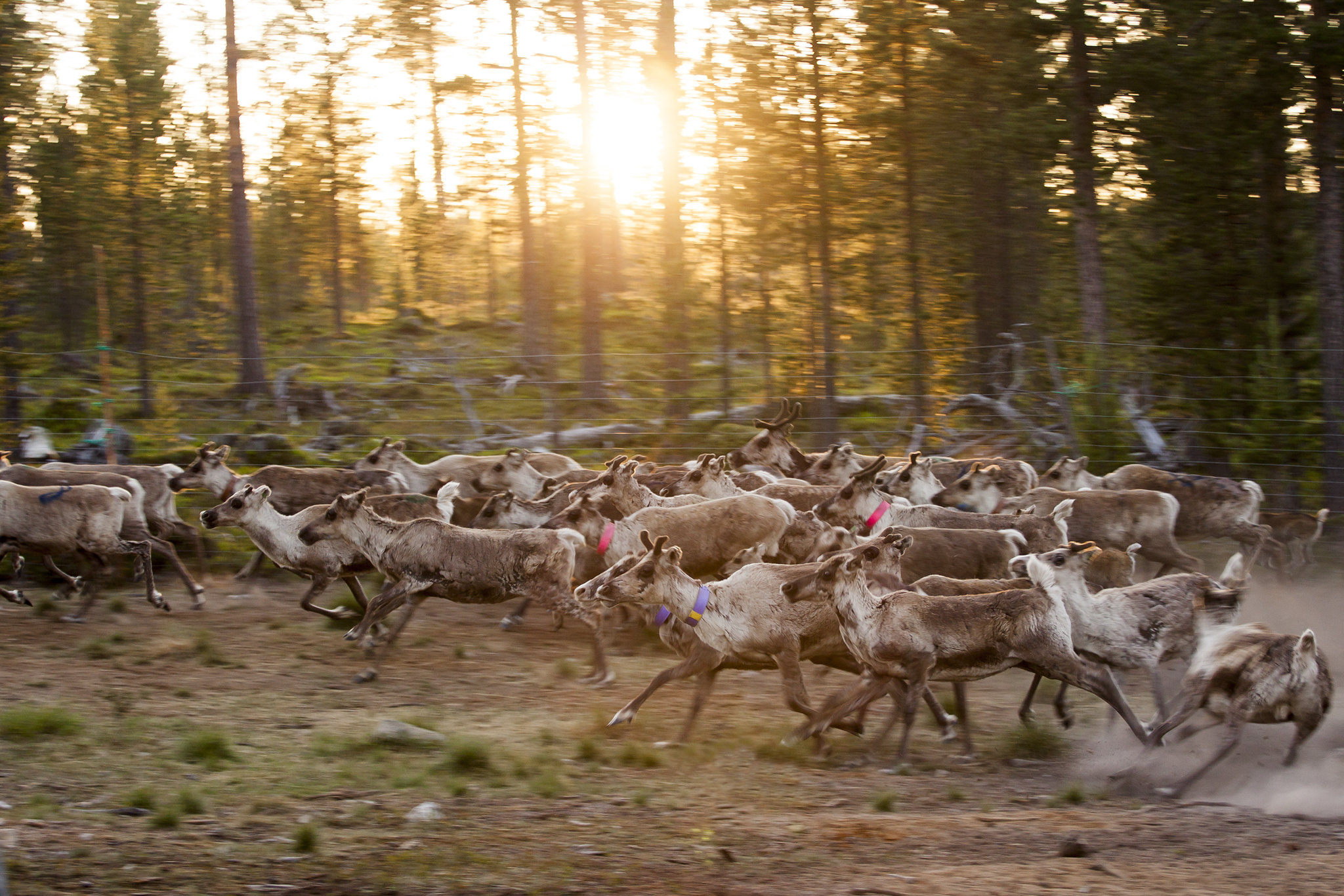
In the far north of Europe, where Norway, Sweden, Finland, and Russia share borders, lies a landscape shaped by an ancient relationship between people and land. This is Sápmi, home to the Sámi people, who have lived alongside nature for centuries — and whose sacred places have become unexpected hotspots for wildlife.
Researchers have long wondered why some pockets of nature stay rich with life while surrounding areas suffer. A growing body of evidence points to an unexpected answer: religion and tradition.
In 2021, researcher Piero Zannini and colleagues reviewed studies from around the world. They found that sacred natural sites often contained greater biodiversity, more intact vegetation, and better-preserved ecosystems than the land around them. These weren't places protected by government agencies or scientific management. They were protected by belief.
For centuries, the Sámi people held that mountains, lakes, rivers, forests, and even unusual stones held spiritual presence. Nature was not a resource to be used without thought — it was alive with powers that deserved respect. Sacred areas were marked by fences, stone formations, or natural boundaries such as streams. People approached them quietly. Loud speech, hunting, or careless disturbance nearby was considered deeply wrong.
These sacred places were also carefully maintained. During summer, birch leaves decorated them. During winter, it was spruce branches. Over time, these accumulated into dense structures that today resemble what ecologists call "benjes hedges" — tangled barriers that shelter insects, birds, and small mammals. Seeds spread through these spaces, encouraging varied plant life, which in turn attracted more animals. Whether the Sámi intended this or not, their traditions may have strengthened local biodiversity for centuries.
The Sámi did not protect nature because someone told them to. They protected it because their worldview demanded respect for the land's spiritual inhabitants.
Today, this tradition continues. Sámi communities across the region actively defend their traditional territories from threats like mining. When a company called Blue Moon Metals planned to dump mining waste into Repparfjord, a salmon-rich fjord in Norway that Sámi fishers depend on, the community set up protest camps. They were protecting not just their livelihood, but a way of relating to the land that has lasted generations.
Modern conservation often traces its roots to Yellowstone National Park in 1872 or Sweden's Sarek National Park in 1909. But long before governments drew boundaries on maps, Indigenous peoples were already safeguarding landscapes — through faith, custom, and deep knowledge of the land they called home.
The lesson from Sápmi is straightforward: when people believe a place holds something sacred, they treat it differently. And that difference, accumulated over centuries, can mean the difference between a living forest and bare ground.