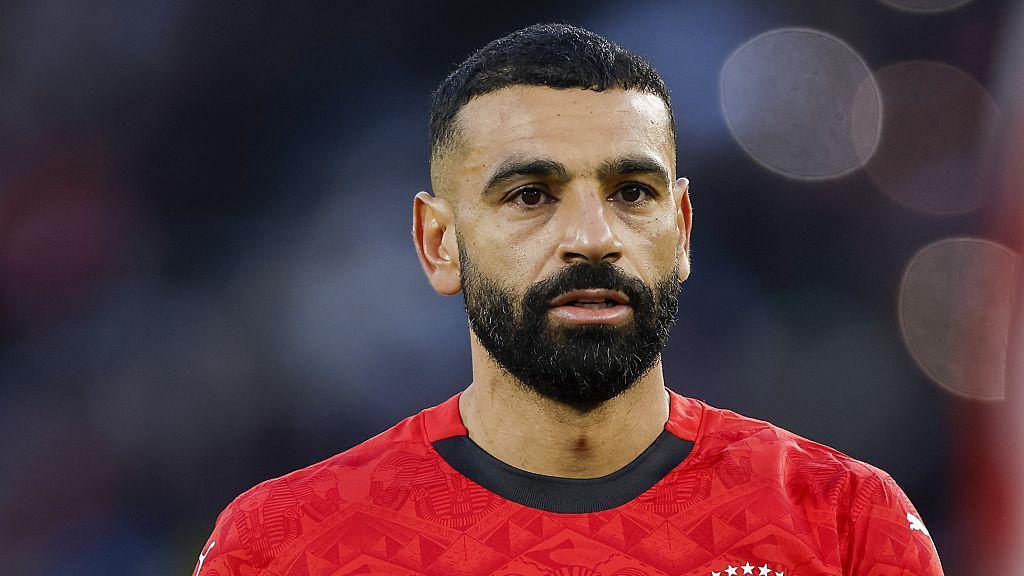
Mohamed Salah, Liverpool's star forward, has been named in Egypt's preliminary squad for the World Cup and is set to captain the national team in the tournament. The 31-year-old will lead a carefully assembled group of 24 players drawn from clubs across Europe and the Middle East, though the roster will be trimmed by one player before competition begins.
The squad reflects Egypt's strategy to blend established talent with rising players from competitive leagues. Alongside Salah in the forward line is Omar Marmoush of Manchester City, one of the brightest emerging talents in European football, creating a potent attacking partnership. Also included are Aqtay Abdallah from Enppi and Barcelona's Hamza Abdelkarim, giving coach options across the attacking positions.
The midfield is anchored by experienced hands from Egypt's top clubs. Ahmed Zizo, Emam Ashour, and Mahmoud Trezeguet all ply their trade at Al Ahly, the powerhouse of Egyptian football, bringing continuity and understanding built over seasons of domestic success. They're joined by Mahmoud Saber of Zed, Mohanad Lasheen of Pyramids, and Mostafa Ziko, also from Pyramids. The midfield depth extends to players competing abroad: Ibrahim Adel at Danish club Nordsjaelland and Haissem Hassan at Spanish side Real Oviedo, ensuring the team has players tested in European football.
Defensively, Egypt has built stability around Mohamed Hany, Yasser Ibrahim, and Ahmed Fatouh, all from Al Ahly, forming the spine of a backline that also includes Mohamed Abdelmonem, who plays for French club Nice. This combination of domestic experience and international exposure shapes a defense aimed at controlling matches in the tournament. The goalkeeper position features Mohamed El Shenawy, Mostafa Shobeir, El Mahdi Soliman, and Mohamed Alaa—four keepers vying for the starting role.
What stands out is how the squad balances established stars with players hungry to prove themselves on the world stage. Salah's captaincy underscores his status as Egypt's leader and most recognizable figure, but the inclusion of younger talents like Marmoush suggests the team is building toward sustained competitiveness. The mix of players from European clubs—Nice, Manchester City, Barcelona, and several others—indicates Egypt's determination to field a team familiar with the tactical demands and pace of top-level football.
The decision to name 24 players rather than the final roster acknowledges the rigorous process ahead. Coaches often use preliminary squads to assess fitness, team chemistry, and tactical flexibility before making final cuts. For the players on the edges of selection, the remaining weeks offer a crucial opportunity to secure their place in Egypt's World Cup campaign.
With Salah's proven experience on the biggest stages and a squad mixing proven performers with emerging talent, Egypt approaches the tournament with a blend of ambition and pragmatism that reflects both the challenges and opportunities before them.