When Q1 revenues at Samsung Electronics surged over 800% last quarter, the semiconductor workers who built those chips saw an opportunity. Nearly 48,000 of them, representing 40% of Samsung's South Korea-based staff, prepared to strike for a piece of the artificial intelligence boom their labor had made possible.
The demand was straightforward but significant: end the ceiling on bonuses capped at 50% of annual pay, and instead tie worker rewards directly to the division's operating profits. Samsung's manufacturing floors had powered the global AI rush—from the data centers running chatbots to the processors enabling battlefield applications in Ukraine—yet workers felt their compensation hadn't kept pace with the value they were creating.
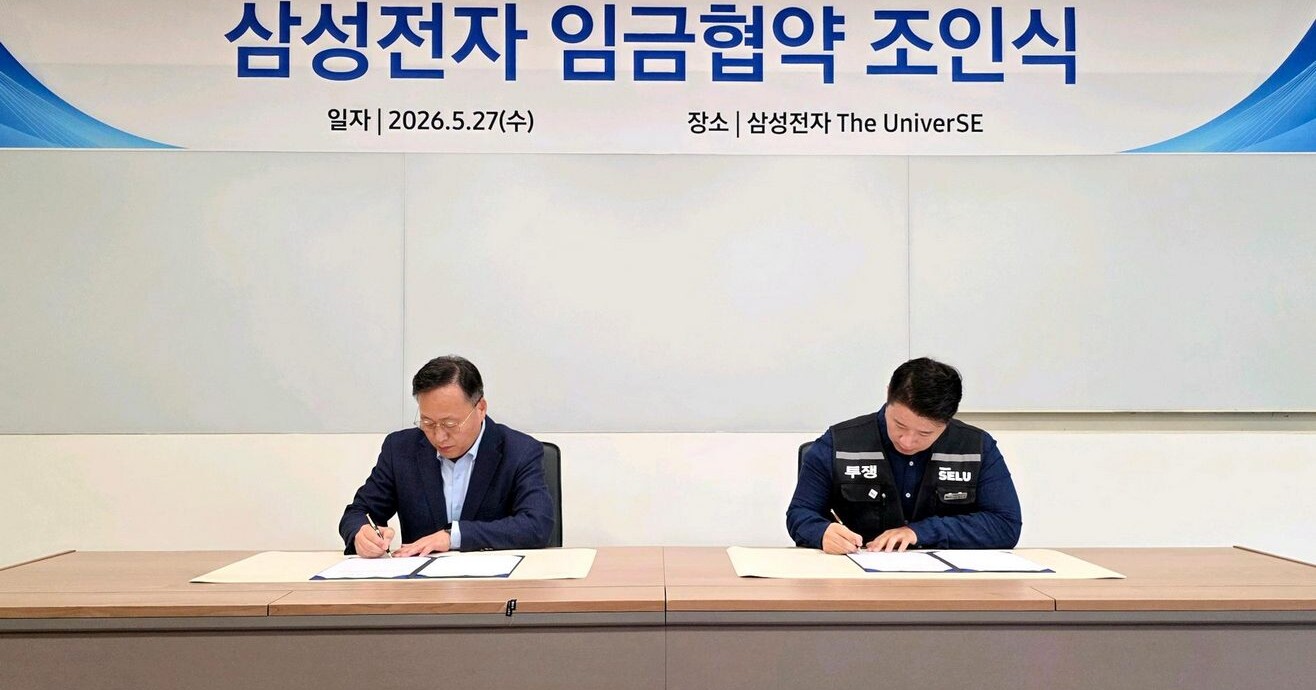
The standoff resolved in just weeks when Samsung's largest labor union and the company's executives, including Executive Vice President Yeo Myung-gu and union leader Choi Seung-ho, hammered out a preliminary agreement that saw roughly 75% of the 62,000 unionized workers vote in favor. Shares surged 7% on the news, and workers returned to their stations Monday morning.
Under the new structure, Samsung committed to allocating 10.5% of operating profits from its semiconductor division directly to worker bonuses. The numbers are striking. In a single quarter where the semiconductor division alone generated $35.8 billion in operating profit—accounting for 94% of the company's total operating profit—that 10.5% slice divided among 48,000 workers equated to roughly $78,000 per person in that quarter alone. Annualized, a Samsung semiconductor worker could earn approximately $312,000 from profit-sharing bonuses, beyond their base salary.
The agreement reflects a sharper competitive reality unfolding across the semiconductor industry. South Korea's second-largest chip producer, SK Hynix, had already improved its own bonus terms eight months prior to attract and retain talent. Global companies were aggressively recruiting Korean semiconductor engineers with exceptional offers, and Samsung, commanding 16% of the country's entire GDP, needed to act decisively to keep its workforce intact during the era of AI-driven demand.
The strike threat had rippled far beyond Samsung's campus. South Korea's Prime Minister Kim Min-seok personally intervened, warning that "any disruption to Samsung's semiconductor production would go far beyond losses for a single corporate group, leaving deep scars across the national economy." The government helped mediate the deal, underscoring just how critical these chips are to global economic infrastructure.
Samsung acknowledged the tension but signaled a reset. "The agreement came later than expected," the company said in a Wednesday statement. "We will work to build a more mature and constructive labor management relationship so that such a situation does not happen again."
What emerged is a model where workers directly benefit from the billion-dollar waves they help generate. As artificial intelligence reshapes industries worldwide, the Samsung agreement suggests a path where those building the infrastructure of AI's boom—the engineers, technicians, and factory workers without whom no processor hums—can claim a meaningful share of the prosperity their work creates. It's a reminder that transformative technology is built by human hands, and those hands deserve to share in the transformation's rewards.