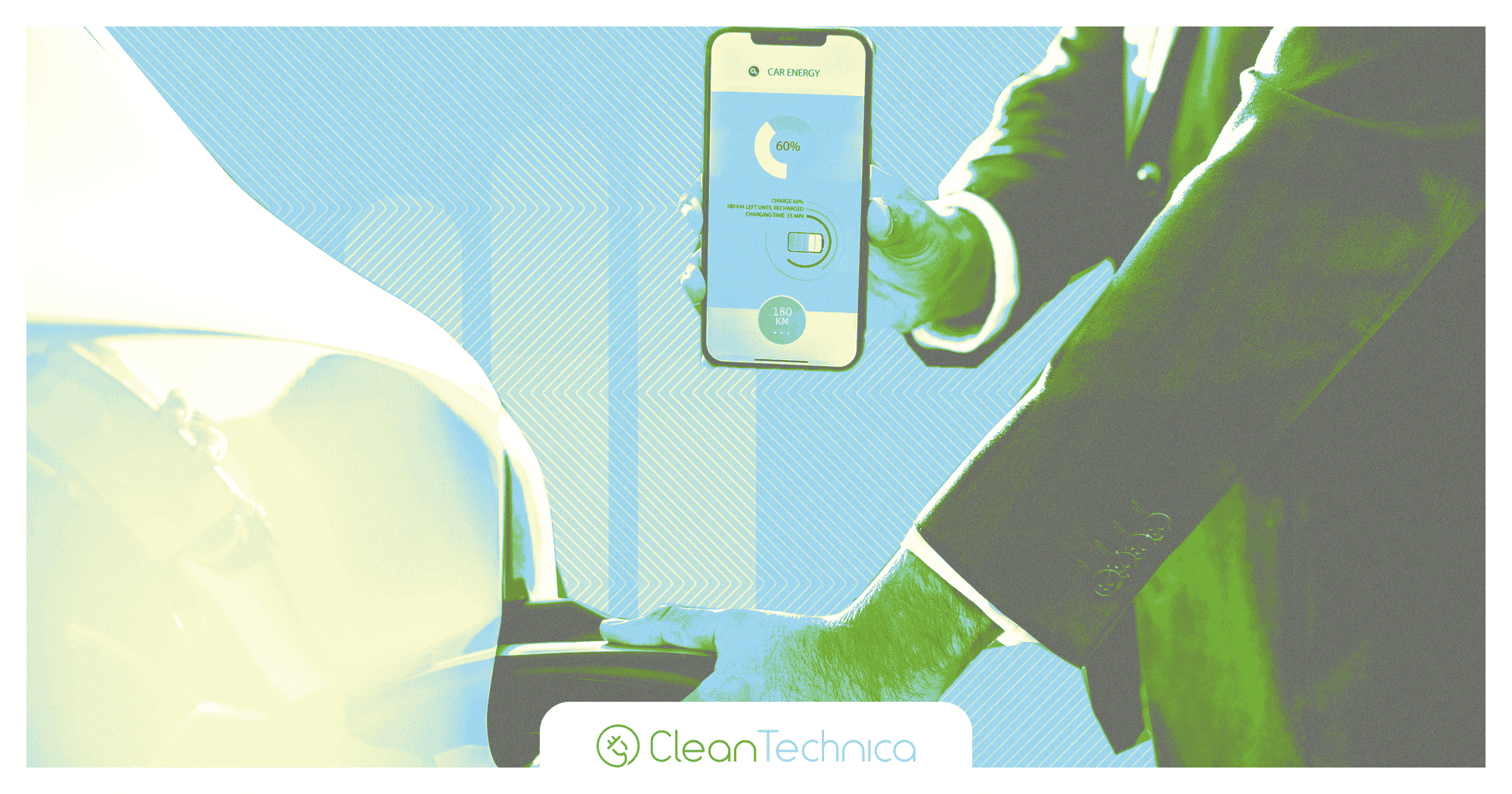
In Florida, a family charging their electric vehicle at 12:15 AM instead of when they arrive home in the afternoon could pocket $404 in savings annually—a difference so stark it transforms a routine necessity into an act of deliberate thrift.
Most people glance at their monthly electricity bill, pay it, and move on. But hidden in those statements is a secret that utilities have long known: electricity prices swing wildly depending on the time of day. In parts of Florida, peak-hour electricity costs more than three times as much as super off-peak rates, creating genuine opportunities for households willing to shift their routines slightly.
The mathematics are compelling. In one Florida utility district, electricity costs $0.23 per kilowatt-hour during on-peak hours (2:00 PM to 6:00 PM from April through October, and 6:00 AM to 9:00 AM from November through March), plummets to $0.07 per kilowatt-hour during super off-peak hours (midnight to 6:00 AM), and settles at $0.09 per kilowatt-hour during off-peak times. For a household driving 10,000 miles annually—roughly the national average for some regions—charging an electric vehicle exclusively during super off-peak hours costs $177 per year, compared to $583 during on-peak times. Over a decade, that's a $4,040 gap on a single appliance.
For households driving the US average of 15,000 miles yearly, the annual savings jump to $609—money that simply appears by setting a charging timer and doing nothing else differently. No sacrifice required, no behavior change beyond automation.
The beauty of time-of-use pricing is that it doesn't demand heroic lifestyle shifts. Morning routines—showers, coffee, toaster use—happen when they must. But many electricity-intensive tasks have genuine flexibility. Running the washing machine and dryer after 6:00 PM rather than midday costs substantially less. Starting the dishwasher after midnight instead of evening means lower bills. Showering after peak hours instead of before work is a minor adjustment with measurable financial returns.
For some households, the savings extend further. Battery backup systems designed for hurricane preparedness can serve double duty: charging phones and computers throughout the day using stored power, then recharging those batteries overnight when electricity is cheapest. It's unconventional, but for those with the equipment, it adds up.
Beyond the personal finances, this shift carries environmental weight. When demand drops, utilities don't need to fire up gas peaker plants—the dirtiest, most expensive generators reserved for peak demand periods. By moving electricity consumption to off-peak hours, households reduce the need for these polluting generators, keeping air cleaner and helping stabilize the climate. The math works for both wallets and the planet simultaneously.
Not all utilities offer time-of-use pricing, and some require customers to opt into it rather than making it standard. But for those with access, the potential savings are substantial enough to merit a phone call to your provider. Check your next bill, learn when your utility's peak and off-peak hours fall, and identify which of your electricity-consuming activities have wiggle room. The $404 or $609 in annual savings isn't found through dramatic sacrifice—it's waiting in the details, ready to reward anyone paying attention.