On the morning of May 19, SCCF researchers spotted something remarkable on the quiet west end of Sanibel: an adult female loggerhead sea turtle, emerging from the surf to nest. She showed no prior tags, no PIT chips — this was her first formal research encounter on the island. The team named her Lila, fitted her with a satellite transmitter sponsored by local supporter Norman Robertson, and released her back to the Gulf. Her journey is now viewable on the live SCCF Sea Turtle Tracking Portal, joining four other loggerheads tracked since the program launched last season.
Lila's arrival marks what looks to be a banner year for sea turtle nesting on Sanibel and Captiva Islands. As of June 3, 2026, the SCCF sea turtle team had documented 342 total nests — 340 loggerhead nests and two green sea turtle nests. That figure represents a striking 29% increase over the same date last year, when crews had recorded just 266 nests across both islands.
The numbers are cause for cautious optimism. Loggerhead nests alone jumped from 264 by this point in 2025 to 340 this season — a testament to decades of conservation work protecting nests, reducing light pollution, and advocating for clean beaches. "A lot of the research on sea turtles is conducted while they're nesting because they're much easier to access on beaches, but since they spend most of their lives at sea, there is still so much we don't know," said Kelly Sloan, SCCF Coastal Wildlife Director. Satellite tags like Lila's help fill that gap, transmitting location data while turtles are far from shore.
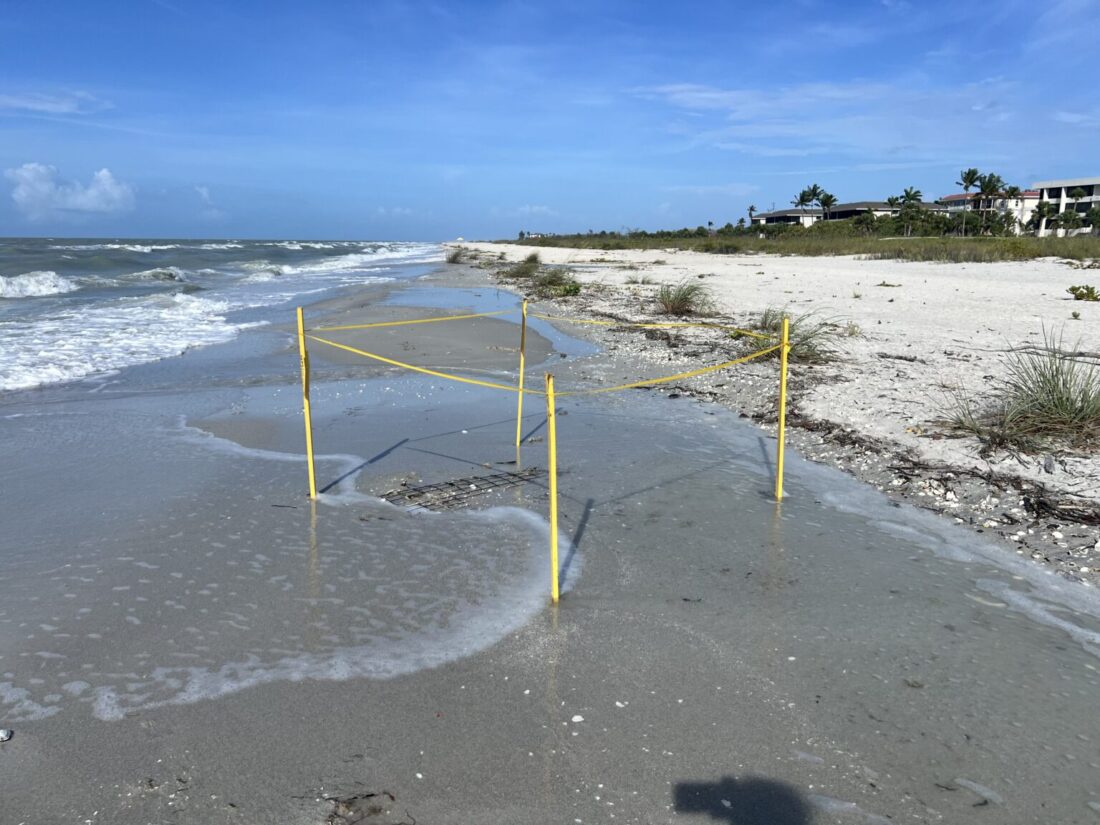
Yet the season hasn't been without setbacks. High tides have caused 19 nest washouts so far — dramatically up from the single washout recorded by this date last year. Sanibel absorbed the bulk of that damage with 15 washouts, while Captiva saw four. Conservation teams are also contending with a spike in coyote activity: 53 nests have been affected by depredation across both islands, compared to 38 at this point in 2025. On Sanibel alone, coyotes raided 39 nests versus 30 last year; Captiva went from 8 to 14.
The challenge now is turning this year's encouraging count into a successful hatching season. SCCF teams continue to install protective measures along vulnerable stretches of shoreline and urge locals and visitors to keep beaches dark, flat, and clear of debris. With Lila swimming her mysterious deep-sea routes and hundreds of nests scattered across two islands, the region is holding its breath — and doing everything it can to give the next generation of sea turtles their best shot at the surf.