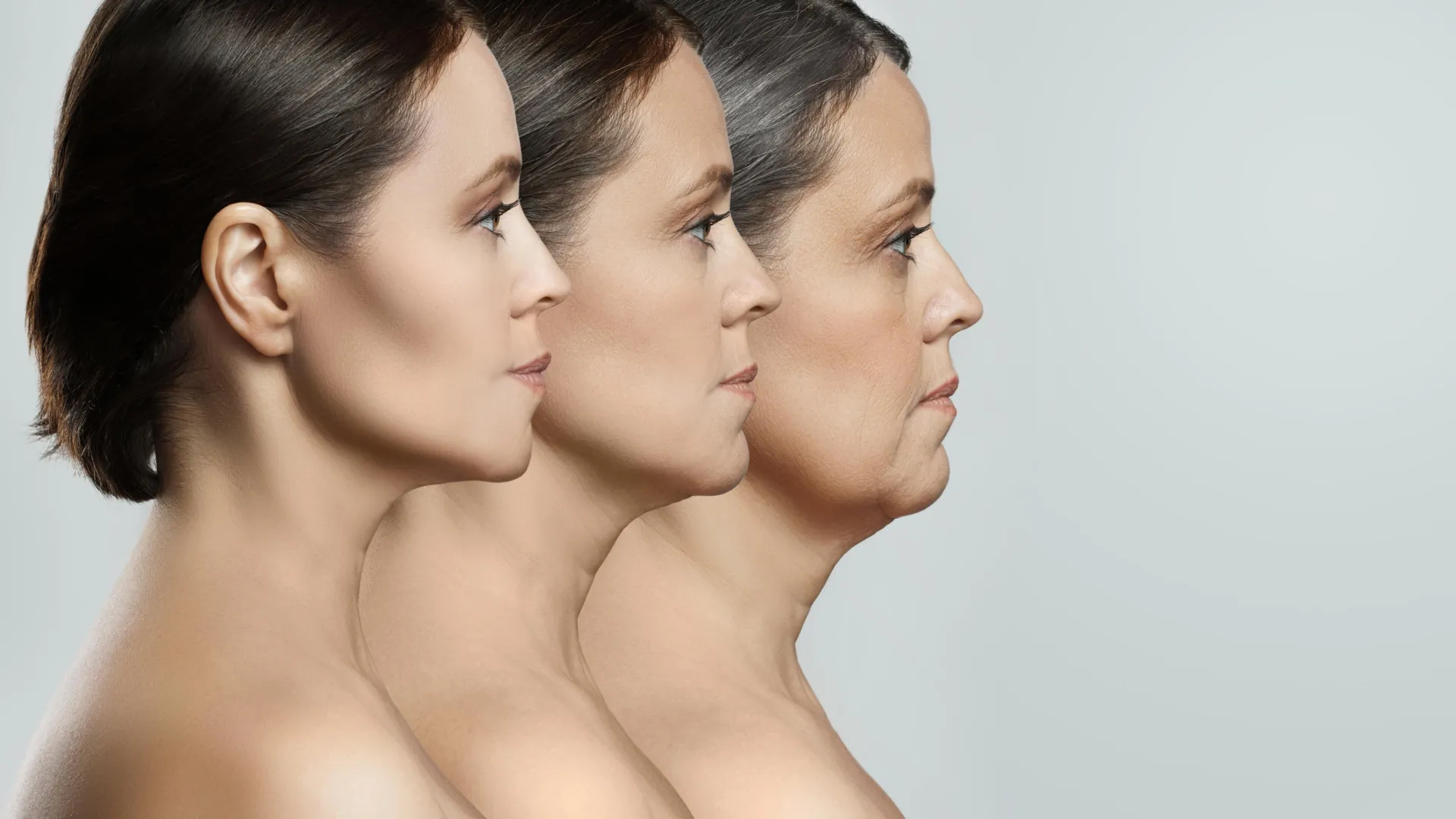
David Gems and Alexander Carver from University College London, alongside Yuan Zhao from Queen Mary University of London, have unveiled a strikingly simple yet powerful model: aging is not one continuous decline, but two distinct biological stages that work together to trigger disease. Their review, published in Aging-US and titled "Aging as a multifactorial disorder with two stages," reframes how scientists understand why conditions like cancer, arthritis, and shingles seem to appear only late in life—even though their roots may stretch back decades into the past.
The insight matters because it offers hope. If aging-related diseases truly develop in two separate phases, then intervening at either stage could break the chain that leads to suffering. For years, researchers have puzzled over why dormant viruses suddenly reactivate, why old injuries bloom into joint disease, or why inherited mutations remain harmless for fifty years before turning dangerous. The two-stage model offers an answer: the damage itself isn't always the culprit. Rather, it's the collision between that early damage and the changes that come with aging.
Stage one unfolds quietly across the first decades of life. Infections strike, physical injuries occur, genetic mutations accumulate—the ordinary wear of living. The body often repairs or contains these insults effectively. But sometimes damage persists, hidden and dormant rather than fully erased. A virus hides in nerve cells. A damaged joint remains stable. A mutated gene lies silent. The damage is there, but dormant—not yet a disease.
Then comes stage two, typically much later in life, when normal genetic activity shifts in ways that no longer protect us. The immune system weakens. Tissues become less resilient. The body's ability to keep earlier damage in check erodes. And suddenly, problems that were managed for decades begin to break free. A latent virus reactivates, causing shingles. A youth sports injury surfaces as osteoarthritis. A genetic mutation that has been harmless for a lifetime begins increasing cancer risk.
The researchers illustrate this pattern with concrete examples rooted in biological reality. When the immune system weakens with age, dormant viruses like varicella-zoster—the virus behind chickenpox—can awaken, producing the painful rash of shingles. Injuries sustained in youth may contribute to osteoarthritis as aging tissues lose their capacity to manage old scars. Even inherited genetic mutations may stay silent for decades before amplifying the risk of conditions like cancer or fibrosis.
The framework also draws on evolutionary biology. As one theory goes, natural selection weakens its grip later in life; harmful processes that don't affect reproduction or early survival tend to accumulate in older age. This biological principle helps explain why we evolved to age at all—we weren't shaped by evolution to protect ourselves in our seventies and eighties.
Evidence from unexpected places supports the model. Studies in the roundworm Caenorhabditis elegans showed that early mechanical damage eventually triggered fatal infections in old age, suggesting similar cascades may unfold in humans.
The implications ripple outward. If early damage and late-life genetic changes are truly the two-part engine of age-related disease, then strategies to reduce damage in youth or target harmful genetic shifts in age could lower the burden of chronic disease. The model doesn't promise a cure for aging itself—but it offers a clearer map of how disease emerges, and where intervention might matter most.