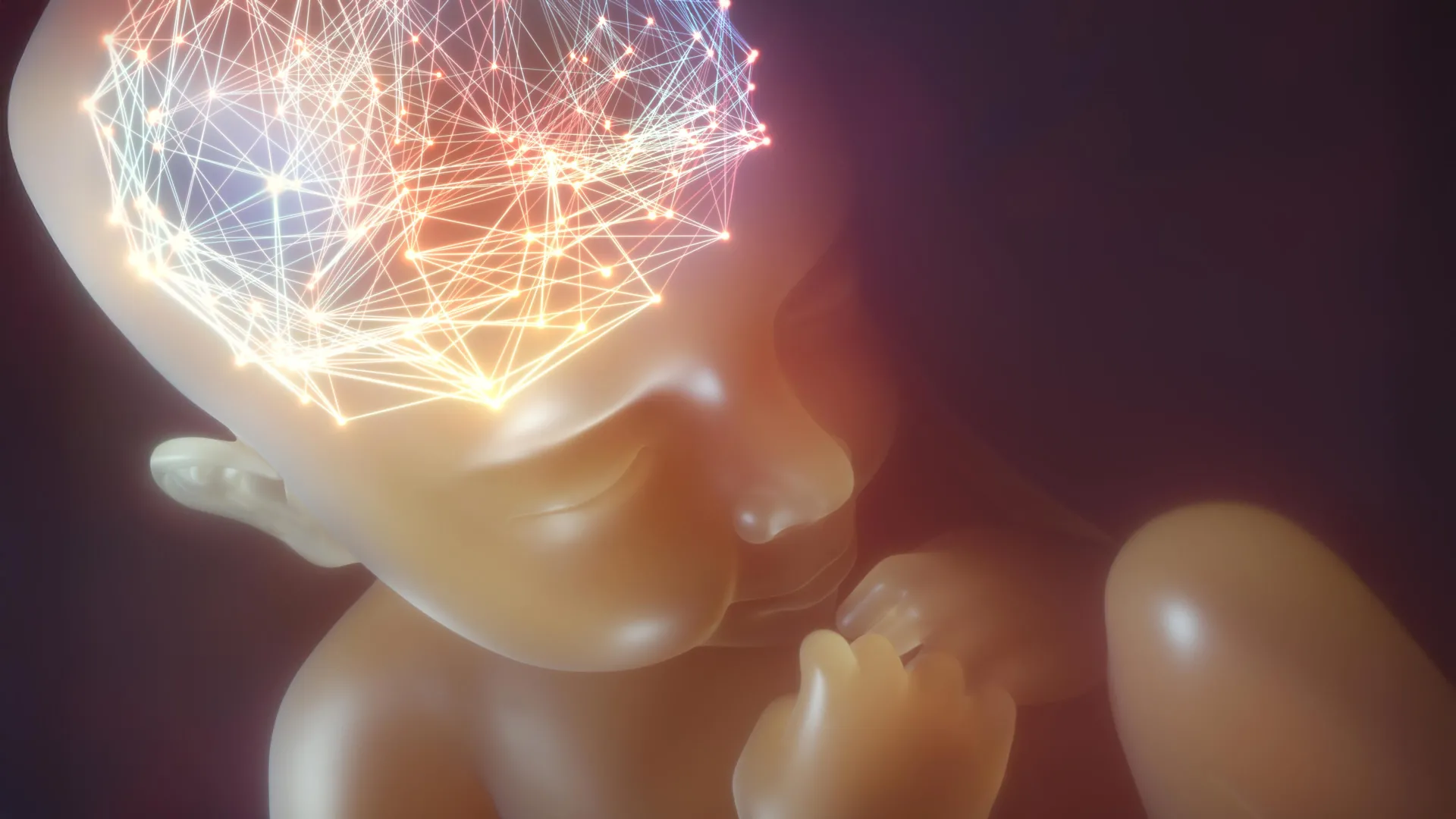
At the moment of birth, a newborn's DNA begins sending signals that will subtly guide the development of trillions of bacteria living in their gut—bacteria that, in turn, may shape the architecture of their developing brain. Scientists at The Chinese University of Hong Kong have uncovered this hidden conversation between a baby's earliest biological programming and the microbes that colonize their intestines, revealing that certain protective bacteria can buffer against signs of autism and ADHD by age three.
The discovery, published in Cell Press Blue, emerges from a sprawling six-year study that tracked 571 infants from birth through early childhood. Researchers analyzed DNA methylation patterns—a form of epigenetic modification—in umbilical cord blood and paired them with gut microbiome samples collected at multiple intervals from 969 infants over their first year of life. By age three, when the children received behavioral assessments for neurodevelopmental markers, a striking pattern emerged: the body's earliest biological blueprint at birth was not destiny, but rather a conversation partner with the developing microbiome.
"The foundations for brain health are laid very early, even before birth," explains Hein Min Tun, co-senior author and public health researcher. "However, we don't want people to think this means a child's developmental path is fixed at birth. These are complex conditions with many causes, and we've only uncovered a small piece of a very large puzzle."
What made the findings particularly encouraging was the identification of specific protective bacteria. Children who carried epigenetic patterns associated with autism were less likely to show signs of the condition if they acquired Lachnospira pectinoschiza during infancy. Similarly, those with genetic markers for ADHD appeared less likely to develop the disorder if they acquired Parabacteroides distasonis in their first year. The presence of these bacteria seemed to modify risk in ways that suggest future possibilities for intervention.
Multiple factors influenced how the infant microbiome developed during that critical first year: delivery method, antibiotic exposure, the presence of older siblings, and breastfeeding all played roles. Babies born via Caesarean section showed distinct DNA methylation patterns in several genes involved in immune function and brain development—a detail that may have implications for how delivery methods shape early health trajectories.
Infants with higher levels of DNA methylation in certain immune-related genes tended to develop less diverse gut microbiomes by twelve months of age. These genes help the body recognize and respond to pathogens, suggesting that biological signals present at birth literally guide which microbial communities take root in the developing gut.
Senior author Francis Ka Leung Chan, a gastroenterologist at The Chinese University of Hong Kong, frames the next chapter cautiously but hopefully: "Certain bacteria seem to offer protection, which is exciting because it suggests there could be ways to support a child's development through diet or probiotics in the future." The team emphasizes that laboratory studies will be needed to confirm these relationships, and researchers are continuing to follow the participating children into later childhood to better understand the long-term implications of these early-life patterns.
The work suggests that brain health and gut health are not separate domains but interwoven from the very beginning—and that small microbial allies acquired in infancy may have outsized influence on neurodevelopmental trajectories.