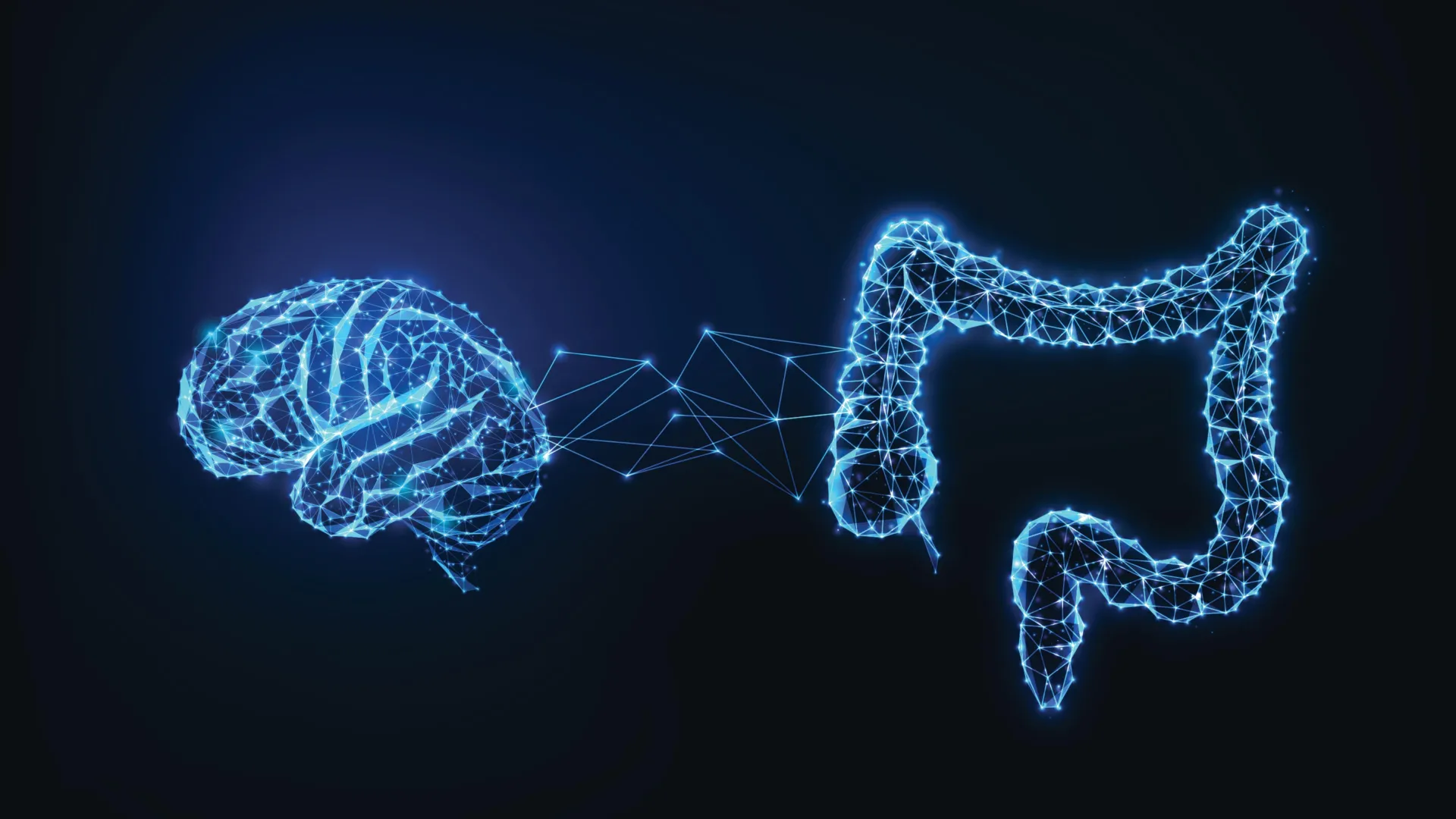
When fruit flies sense their diet lacks protein, something remarkable happens: their gut cells release a chemical messenger that hijacks their brain's feeding circuitry, making them crave amino acids instead of their usual sugar rush. This hidden conversation between gut and brain, long invisible to science, has now been mapped by researchers at South Korea's Institute for Basic Science, offering a glimpse into how animals—including humans—decide what to eat based on what their bodies actually need.
Director Suh Seong-Bae and his team at the Center for Microbiome-Body-Brain Physiology, working with scientists from Seoul National University and Ewha Womans University, have discovered a dual communication system that fundamentally reshapes our understanding of appetite and nutrition. The findings, published in Science on May 21, reveal that the gut is far more than a digestive organ—it's an active sensory system continuously monitoring what nutrients the body lacks and steering behavior to fill those gaps.
Here's how the system works: when protein drops below what flies need, specialized intestinal cells release a peptide hormone called CNMa. This molecule acts on two timescales. One pathway uses the nervous system to send rapid alerts directly to the brain through enteric neurons, triggering an immediate shift in what the flies want to eat. A second, slower pathway sends CNMa through the bloodstream as a circulating hormone, sustaining the protein-seeking drive over longer periods. Working together, these signals don't simply make animals hungry—they reprogram their preferences.
The effect is strikingly specific. When CNMa reaches the brain, it suppresses activity in sugar-sensitive neurons called DH44 cells, causing feeding preferences to swing away from carbohydrates and sharply toward protein-rich foods. It's as if the gut sends the brain a message: forget the sweets; you need amino acids. Remarkably, the body's own microbiome helps regulate this process. Fruit flies lacking normal gut bacteria showed dramatically stronger activation of amino acid-seeking neurons, suggesting that our microbial partners play a critical role in how we perceive nutritional needs.
The discovery extends beyond flies. When researchers tested the same mechanism in mice, animals deprived of protein developed strong preferences for essential amino acids, mirroring the behavior seen in insects. One surprise: mice lacking FGF21, a hormone long thought central to protein appetite in mammals, still showed robust amino acid-seeking behavior. This suggests mammals possess multiple, redundant nutrient-sensing systems that science has yet to fully illuminate.
The implications reach far beyond laboratory curiosity. Obesity, metabolic disease, and eating disorders remain stubborn health challenges partly because we've understood so little about how the gut naturally influences brain-driven decisions around food. Most current appetite-control drugs target gut hormones, yet their mechanisms remain poorly understood. This work provides a foundation for rethinking how to address these conditions. As Director Suh noted, the findings reveal "fundamental principles of nutrient selection by the gut-brain axis and provides a foundation for future therapeutic strategies targeting metabolic and feeding disorders."
The gut, it turns out, speaks—and the brain listens with surprising specificity. Understanding that language opens new doors for treating the disorders of appetite that plague modern life.