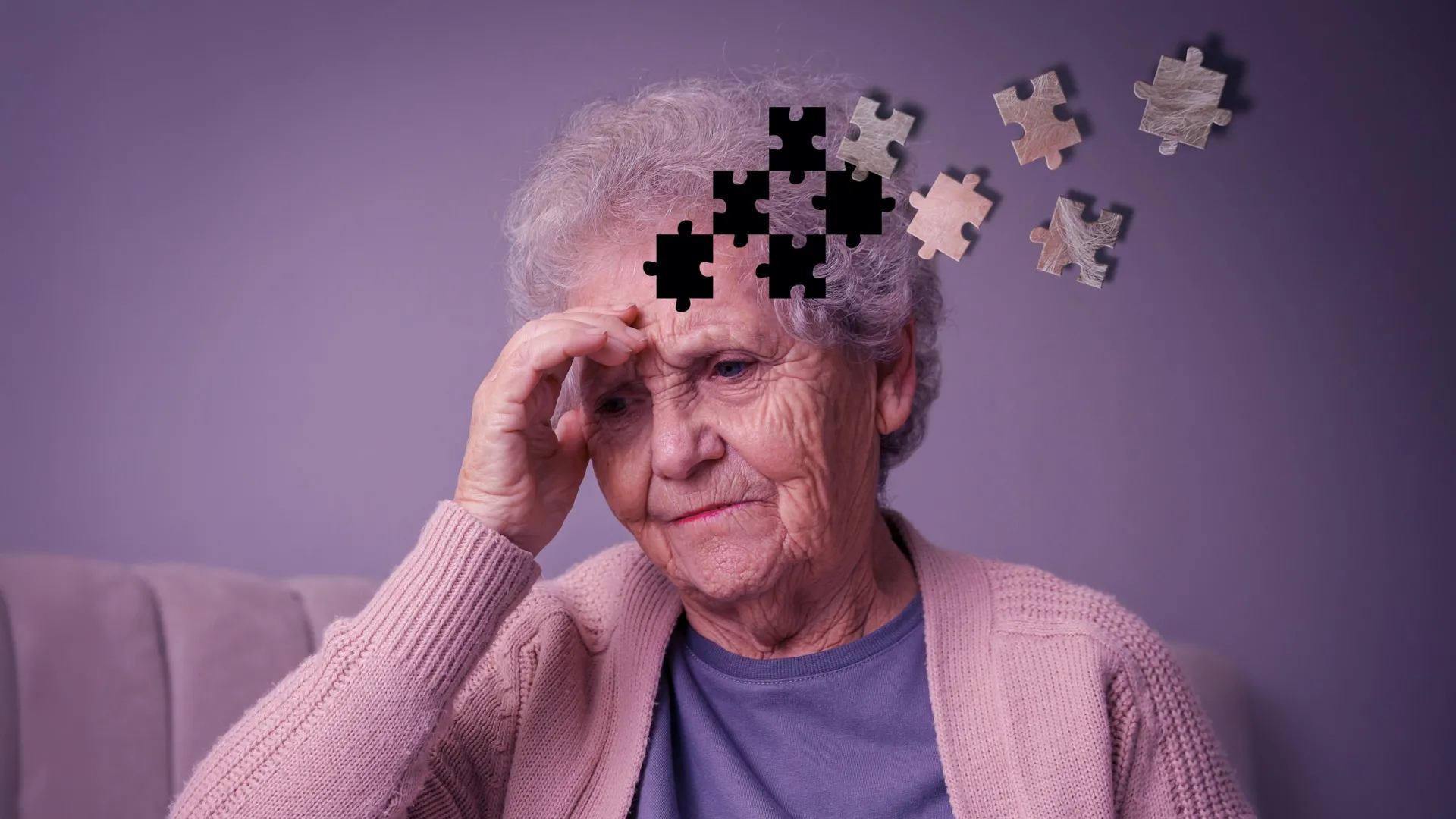
Megan Fitzhugh opened the data from 17,000 adults expecting to confirm what scientists already knew: women get Alzheimer's more often than men. What she found was more urgent. The UC San Diego neuroscientist and her team discovered that certain risk factors don't just appear more often in women—they hit harder, burrowing deeper into cognitive health in ways that don't affect men as severely.
The stakes are staggering. Nearly seven million Americans live with Alzheimer's disease right now, and women account for nearly two-thirds of those cases. For years, researchers assumed this gap came down to simple biology: women live longer, so they have more time to develop the disease. But that explanation, it turns out, is incomplete. The real story is more complex and more actionable.
Fitzhugh's team, working with senior author Judy Pa at UC San Diego School of Medicine, analyzed thirteen established dementia risk factors using data from the Health and Retirement Study, a nationally representative sample of middle-aged and older Americans. They looked at everything from education and hearing loss to smoking, alcohol use, obesity, depression, physical inactivity, hypertension, diabetes, and cardiometabolic conditions. What emerged from the analysis were striking differences in how these factors operate between sexes.
Women reported depression at nearly twice the rate of men—17 percent compared to 9 percent. They were more sedentary, with 48 percent reporting physical inactivity versus 42 percent of men. Sleep problems plagued 45 percent of women but only 40 percent of men. Men, by contrast, showed higher rates of hearing loss (64 percent versus 50 percent in women), diabetes (24 percent versus 21 percent), and heavy alcohol use (22 percent versus 12 percent). High blood pressure affected roughly six in ten people regardless of sex.
But here's where the research gets truly revealing. When the scientists measured how each risk factor correlated with actual cognitive performance, the patterns shifted dramatically. Hypertension and elevated body mass index—both linked to heart and metabolic health—showed steeper negative associations with cognition in women than men. Even more striking, hearing loss and diabetes, despite being more common in men, were tied to lower cognitive scores in women. The same risk factor, in other words, can be a warning light for men but a blazing alarm for women.
"Some risk factors have a disproportionately larger impact on women's cognition," Fitzhugh explained in the study, published May 19, 2026, in Biology of Sex Differences. The implications cut straight to the bone: one-size-fits-all prevention strategies may be leaving women vulnerable.
This recognition opens a door toward precision medicine in dementia care—tailoring prevention not just to which risk factors appear most often, but to which ones pack the biggest cognitive punch in different groups. For women, that could mean prioritizing depression management, cardiovascular health, and physical activity in ways that clinical practice hasn't fully embraced. The researchers emphasize that most of these risk factors are modifiable, meaning prevention is genuinely possible—if we stop treating men and women as interchangeable.
The work is a beginning. Researchers still don't fully understand why the same threat can affect women and men so differently. Hormonal influences, genetic differences, and disparities in health care access all likely play roles. But as Judy Pa noted, sex differences remain profoundly overlooked across the leading causes of death. This study suggests that overlooking them is a public health mistake we can no longer afford to make.