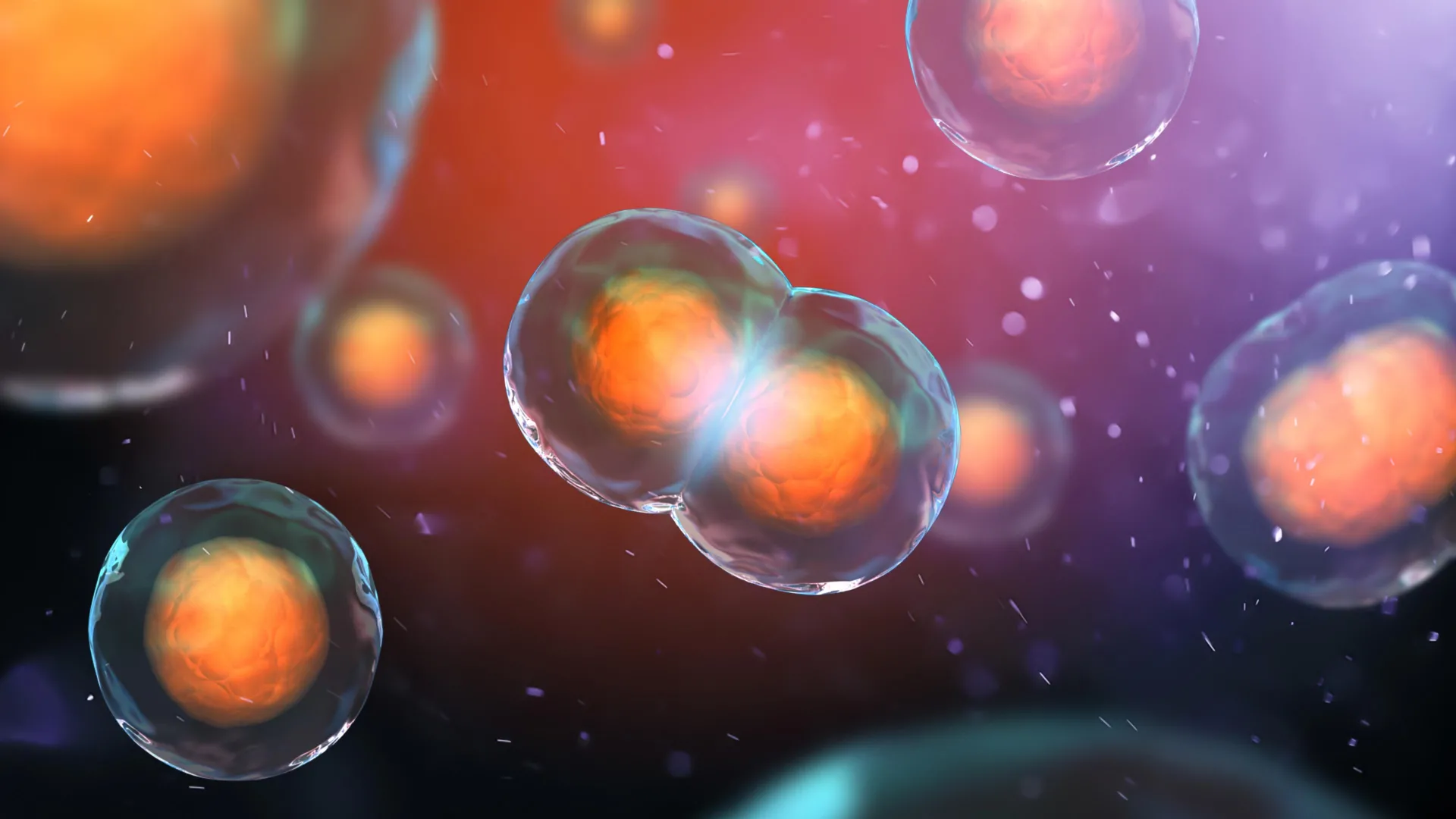
Inside the lab at Hokkaido University, researchers peered through live cell imaging and watched as cells containing twice their normal amount of DNA behaved in strikingly different ways—some stubbornly refusing to die, others crumbling under the weight of genetic imbalance. This discovery, made by Associate Professor Ryota Uehara and his team, reveals something fundamental about how cells survive catastrophic mistakes during division, and it could reshape the way scientists think about cancer.
Every second, billions of cells in the human body divide. Before that division happens, DNA must be copied with extraordinary precision so each new cell receives a complete genetic blueprint. But sometimes this process fails in unexpected ways. The cell successfully copies its DNA but then fails to fully separate into two distinct cells, leaving behind a single cell containing twice the normal amount of genetic material—a condition called whole genome duplication. Think of it as making two photocopies of a document but accidentally placing both copies into the same folder instead of keeping them separate.
Scientists have known for decades that this cellular mishap carries serious consequences. Cells with extra DNA often stop functioning normally, become inactive, die, change into other cell types, accumulate age-related damage, or contribute to diseases including cancer. But what Uehara's team discovered was far more nuanced: how a cell arrives at this doubled-DNA state dramatically changes what happens next.
The researchers focused on two major causes of whole genome duplication: cytokinesis failure and mitotic slippage. During cytokinesis failure, a cell completes nearly the entire division process but fails at the very last moment when it should physically split into two separate cells. In mitotic slippage, something different happens—the cell starts the division process but exits early, before its chromosomes are properly separated. Both mechanisms leave cells with doubled DNA, yet the outcomes are profoundly different.
Using sophisticated live cell imaging and chromosome-specific labeling techniques, the Hokkaido team tracked how cells behaved after undergoing whole genome duplication through each mechanism. What they found was striking: cells created through cytokinesis failure were much more stable and had significantly higher survival rates. Cells produced through mitotic slippage, by contrast, often showed uneven chromosome distribution and lower survival rates.
The key factor turned out to be chromosome organization. In mitotic slippage, chromosomes are frequently divided unevenly, creating severe genetic imbalance that cripples a cell's ability to survive. In cytokinesis failure, chromosome distribution remains more balanced, allowing cells to maintain stability. When researchers experimentally improved chromosome separation in cells undergoing mitotic slippage, those cells became significantly more viable—proof that targeting the separation process itself could be a lever for intervention.
These findings carry urgent implications for cancer treatment and prevention. Whole genome duplication is commonly found in cancer cells, and some cancer therapies can unintentionally trigger it. Cells that survive after gaining extra DNA may continue multiplying and potentially contribute to tumor recurrence. The new research suggests that targeting chromosome separation processes could help prevent abnormal cells from surviving and continuing to grow.
"There are different mechanisms through which whole genome duplication can occur, but their distinct impacts have largely been overlooked," Uehara reflects. "We challenged this conventional view by comparing cells formed through different mechanisms and found that these differences can influence cell behavior over the long term." This distinction—understanding not just what happens, but how it happens—may open new doors for preventing cancer cells from gaining the genetic stability they need to thrive.