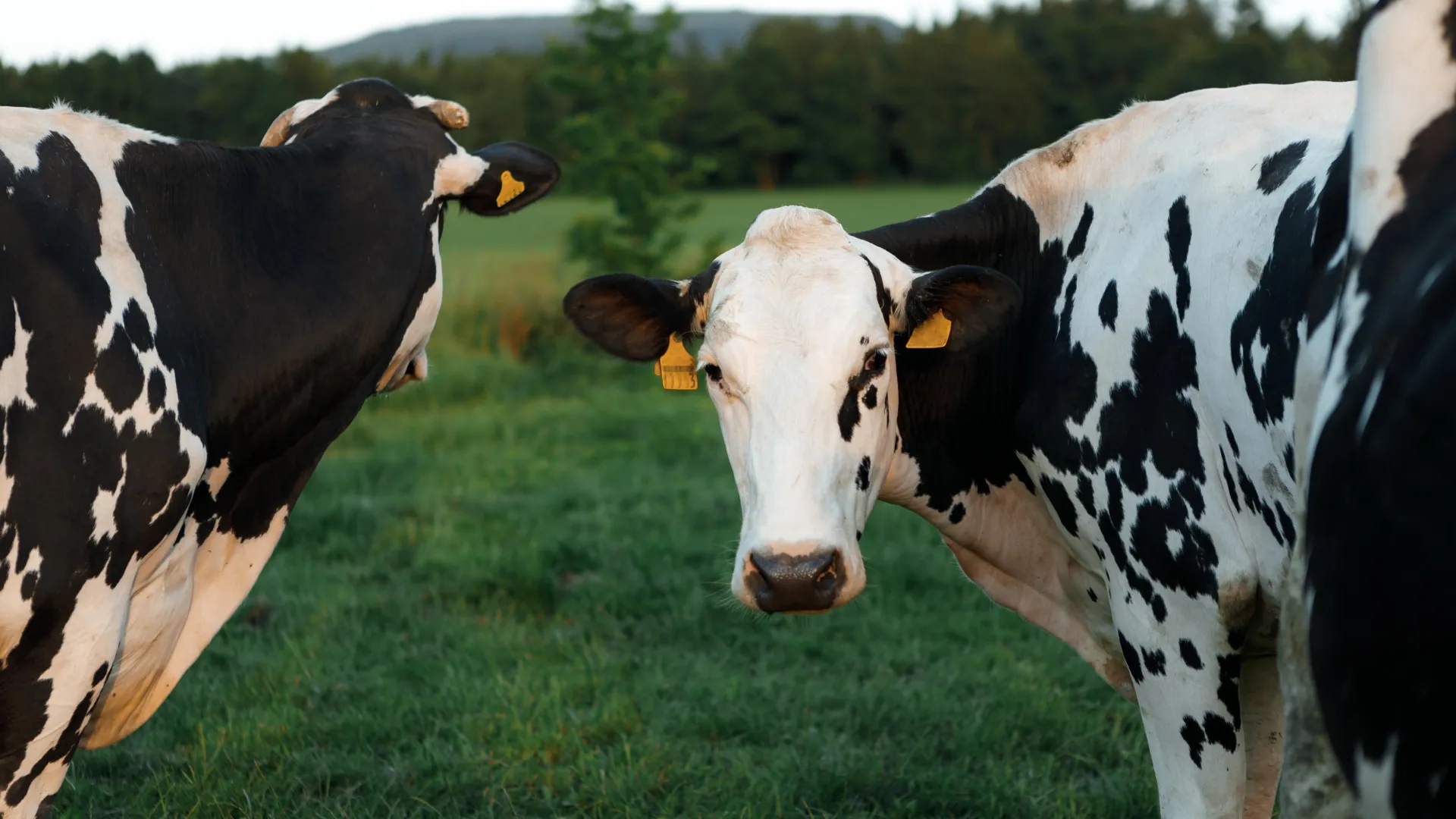
When cows in the Texas Panhandle began falling ill with a mysterious, tissue-destroying mastitis in early 2024, veterinarians searched for bacterial culprits—never suspecting bird flu. But at the University of Pittsburgh, Dr. Suresh Kuchipudi and his team uncovered the unexpected: H5N1 wasn’t attacking lungs but thriving in udders. Their groundbreaking study, published in Science Advances, reveals the virus binds exclusively to N-linked sialic acid receptors—abundant in bovine mammary tissue but nearly absent in airways. This precise molecular match explains why infected cows shed high levels of virus in milk, posing risks to farm workers and pets like cats, which have died from consuming contaminated raw milk. Crucially, pasteurization neutralizes the virus, underscoring the danger of unpasteurized dairy. By mapping glycan receptor distributions, scientists can now anticipate how H5N1 might jump to new species and where it might strike—respiratory, mammary, or even neurological tissues. “We can preemptively screen different species and different tissues within them for susceptibility,” says Kuchipudi. “The lessons learned could potentially help prevent us from being caught by surprise again.” With climate change and animal trade accelerating zoonotic threats, this ability to forecast viral behavior is not just scientific progress—it’s a shield for future health.
← News
Science Breakthroughs Science Breakthroughs Knowledge
Scientists finally solved how H5N1 bird flu hid in dairy cows
Science Advances Study published in
N-Linked Sialic Acid Receptor type
Udders High, Airways Low Tissue distribution
Mammary Glands Infection site