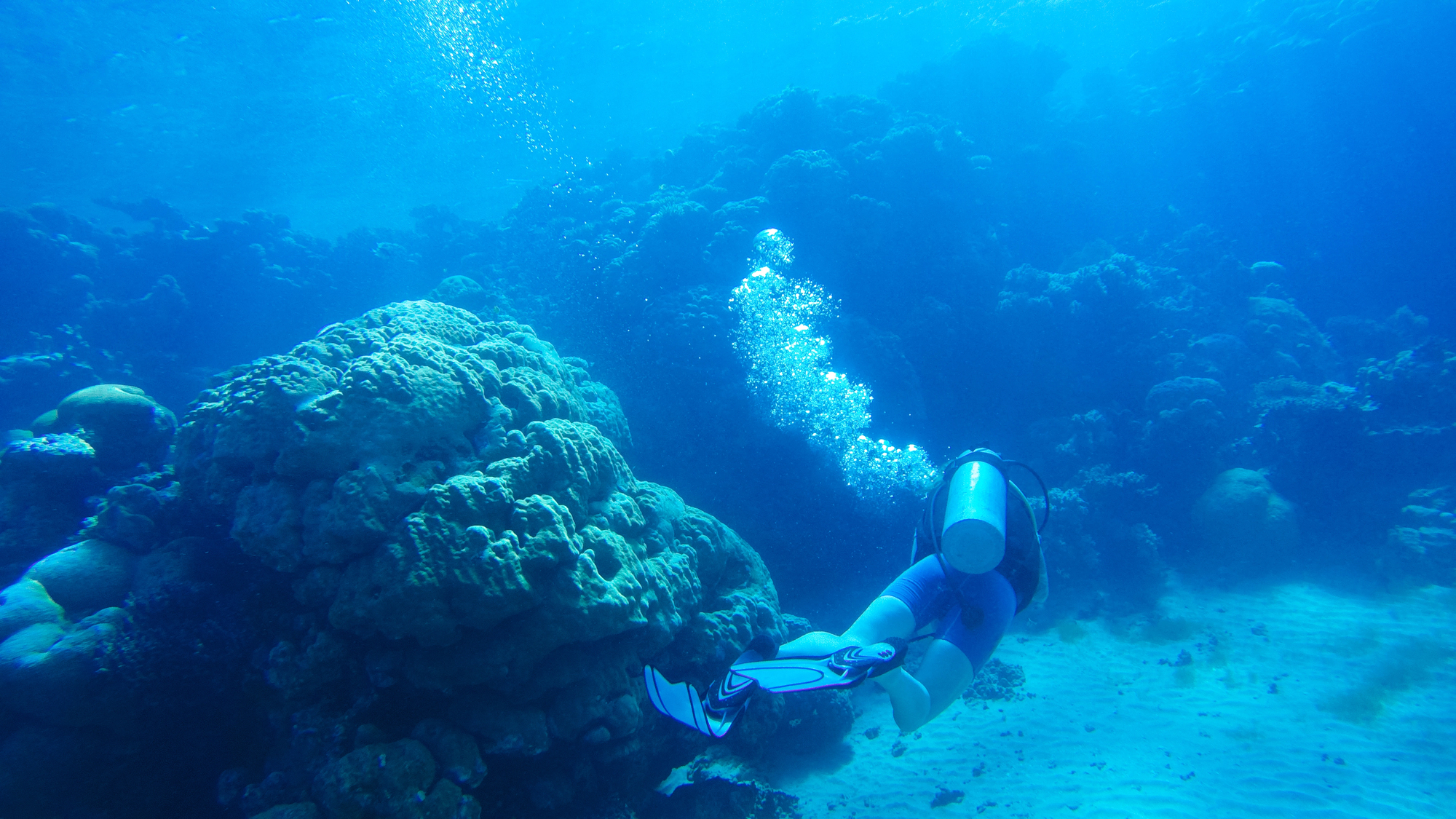
On a quiet stretch of coastline in Fiji, where the reef still hums with parrotfish and clownfish dart through swaying anemones, scientists have found a blueprint for survival. Across 71 countries and 100 territories, researchers have mapped 64,000 square miles—166,000 square kilometers—of coral reef with a proven ability to withstand and recover from climate change, a discovery that reshapes the future of marine conservation. This is not hope by wishful thinking; it’s hope with coordinates. For years, coral reefs have been framed as doomed, their bleached skeletons symbolizing ecological collapse. But this new analysis, built on 45,000 coral surveys and decades of ocean data, reveals a different truth: we now know where life can hold on.
The implications are urgent. Only 28% of these resilient reefs currently lie within protected areas, leaving the vast majority vulnerable to overfishing, pollution, and unchecked development. As the world races toward the “30 by 30” goal—protecting 30% of global land and sea by 2030—this research offers governments a science-backed roadmap. “Coral reefs are often framed as ecosystems beyond saving,” says Emily Darling, director of coral conservation at the Wildlife Conservation Society and a lead author of the study. “This research shows otherwise: we know where the hope is, and what we need now is political will.”
The findings demand hard choices. Stacy Jupiter, co-author and executive director of WCS’s Global Marine Program, emphasizes the need for triage: some reefs, degraded beyond recovery, may have to be deprioritized so that others—those with genetic diversity, stable temperatures, and strong currents—can be shielded. This isn’t surrender; it’s strategy. With a super El Niño looming, expected to trigger widespread bleaching, the clock is ticking. Protecting these resilient reefs before the next heatwave hits could ensure they act as seed banks, repopulating damaged areas in the decades to come.
The study illuminates reefs in the Caribbean, the Pacific, and the Atlantic that were previously overlooked by conservation planners. From the coastlines of Indonesia to the outer islands of French Polynesia, these ecosystems offer a rare dual promise: survival now and regeneration later. The data is no longer scattered or speculative. It’s centralized, peer-reviewed, and actionable. For policymakers, donors, and coastal communities, the path forward is clearer than ever. The dominant story of coral reefs has been one of loss. Now, for the first time, there’s a map for survival—and a chance to write a new ending.