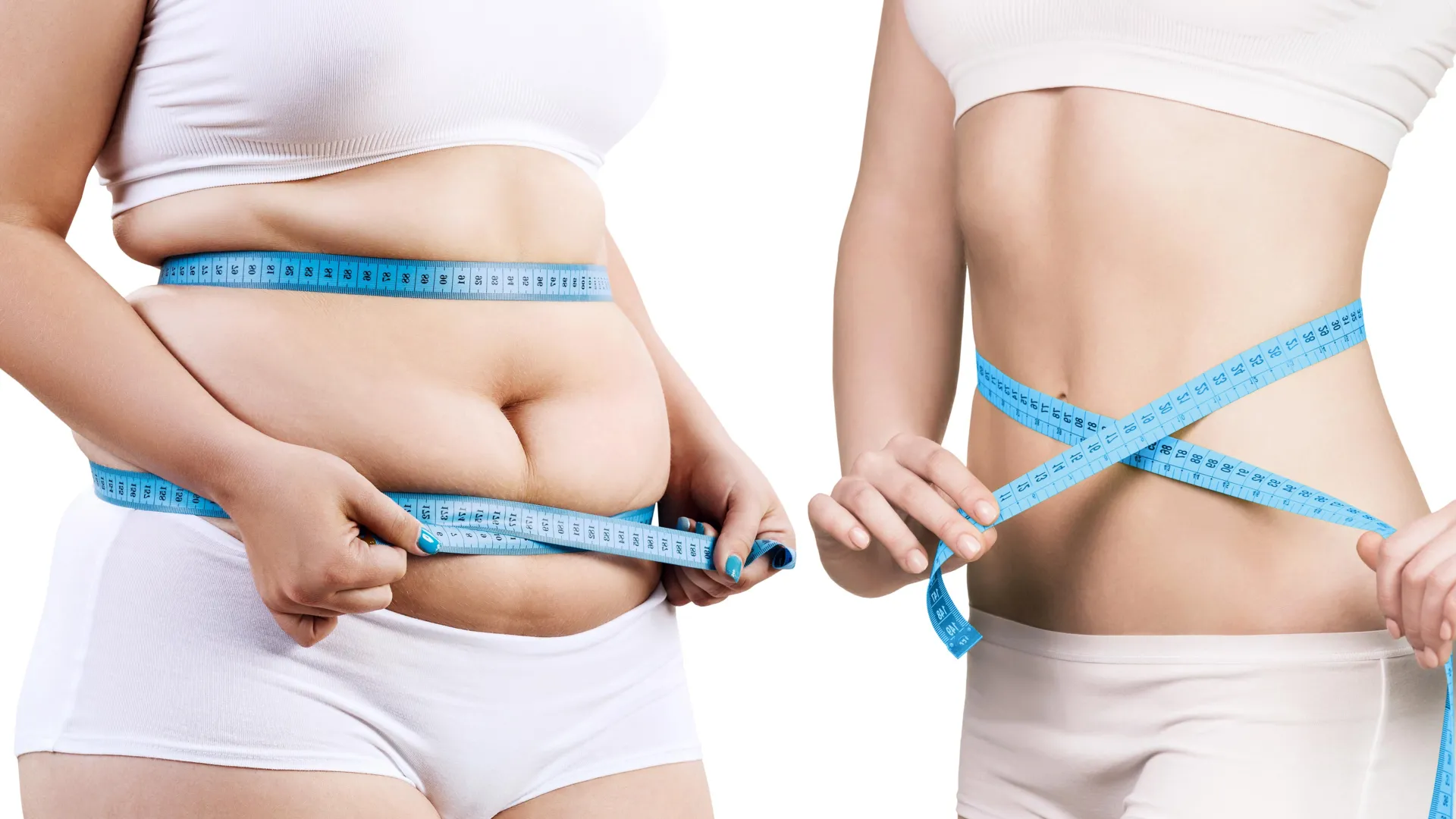
At the University of Southern California in Los Angeles, scientists made a surprising discovery: mice that ate the most food actually lost the most body fat.
A team led by Valter Longo at the USC Leonard Davis School of Gerontology developed a diet inspired by the traditional eating habits of people in long-lived communities across southern Europe. The plan focuses on mostly plant-based foods and fish, keeps protein relatively low, and carefully balances an amino acid called methionine — found in foods like eggs, meat, and dairy.
When researchers fed older mice this modified diet, the results were striking. The mice lived a longer portion of their lives in good health, carried less body fat, and showed fewer signs of weakness as they aged — all while actually eating more food than mice on three other diets.
"We expected different diets to produce different outcomes, but what really impressed us was how modulating just a single amino acid, methionine, in the longevity diet could produce such dramatic metabolic changes," said Maura Fanti, first author of the study and a research associate at USC.
Researchers tested four different eating plans: a standard diet, a Western diet high in fats and sugars, a low-carb ketogenic diet, and the new longevity diet. Only the mice on the longevity diet showed these benefits — and those benefits vanished if methionine levels went too high.
The team also looked at data from more than 200,000 people across three major research institutions: USC, the University of Toronto, and Harvard University. People who ate the most animal protein — and therefore the most methionine — were twice as likely to have obesity or Type 2 diabetes compared to those who ate little or no animal protein.
Here is the surprising part: those with the highest animal protein intake actually consumed fewer calories overall. This suggests that for health and weight management, the type of food matters as much as — or maybe more than — how much you eat.
"Too little methionine caused frailty, but too much methionine abolished the benefits of this diet," Longo said. "These results indicate that overall protein intake may be less important than specific amino acid intake."
The study, published in the journal Cell Metabolism, represents one of the most comprehensive looks at how targeted nutrition choices might support healthier aging. The researchers are now planning clinical trials in humans to see whether the same benefits will show up in people.