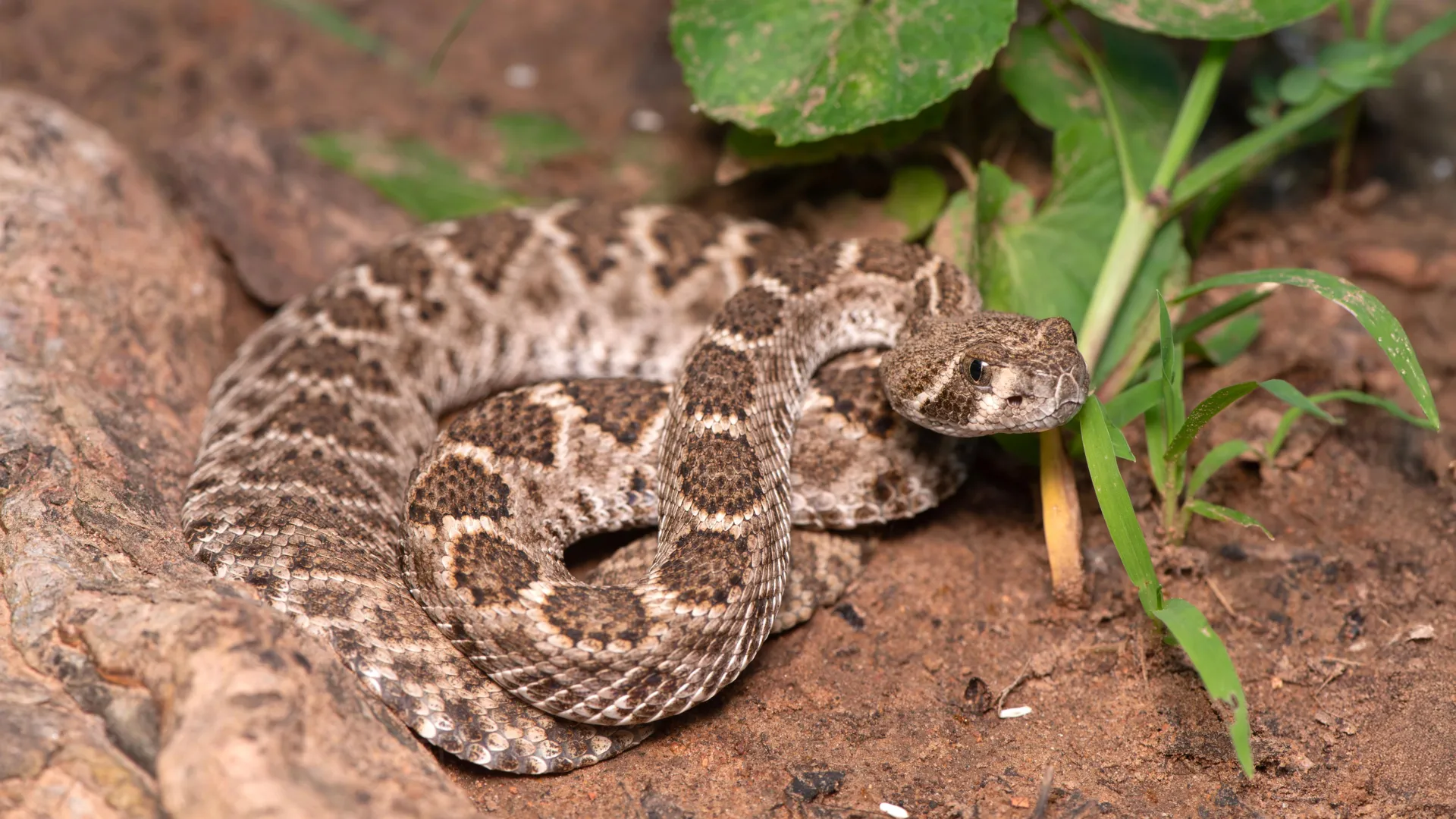
If you grew up hearing that baby rattlesnakes are extra dangerous, you're definitely not alone. A surprising number of people still believe this — including a lot of doctors and emergency responders. But a new study from Loma Linda University in California is setting the record straight, and the findings might change how you see these misunderstood creatures.
The myth goes like this: baby rattlesnakes can't control how much venom they shoot out when they bite, so every bite is a full-dose attack. Adults, the thinking goes, can pull their punches. That idea has been repeated so many times it's practically folklore. But researchers say it's simply wrong.
"This is an easily defanged myth that has generated dread, panic, and real-life consequences," said William Hayes, a professor of biology at Loma Linda University School of Medicine who led the study.
Hayes and his team reviewed how the false claim spread over decades. They traced it back to at least 1967, when it first started appearing in news stories. California news outlets ran with it heavily during the 1970s, 1980s, and 1990s. Much of the inaccurate reporting came from quotes by firefighters, police officers, and other first responders — not from snake experts. The researchers found that quotes from university professors, by contrast, were generally more accurate.
Here's what the science actually shows: adult rattlesnakes carry and inject far more venom than babies do. That means adult bites cause more severe symptoms and are generally more dangerous. Baby rattlesnakes, like adults, can control how much venom they release. They don't just dump their whole supply every time they strike.
The consequences of the myth have been serious. The study found that people who believed it were more likely to take unnecessary risks around adult snakes (