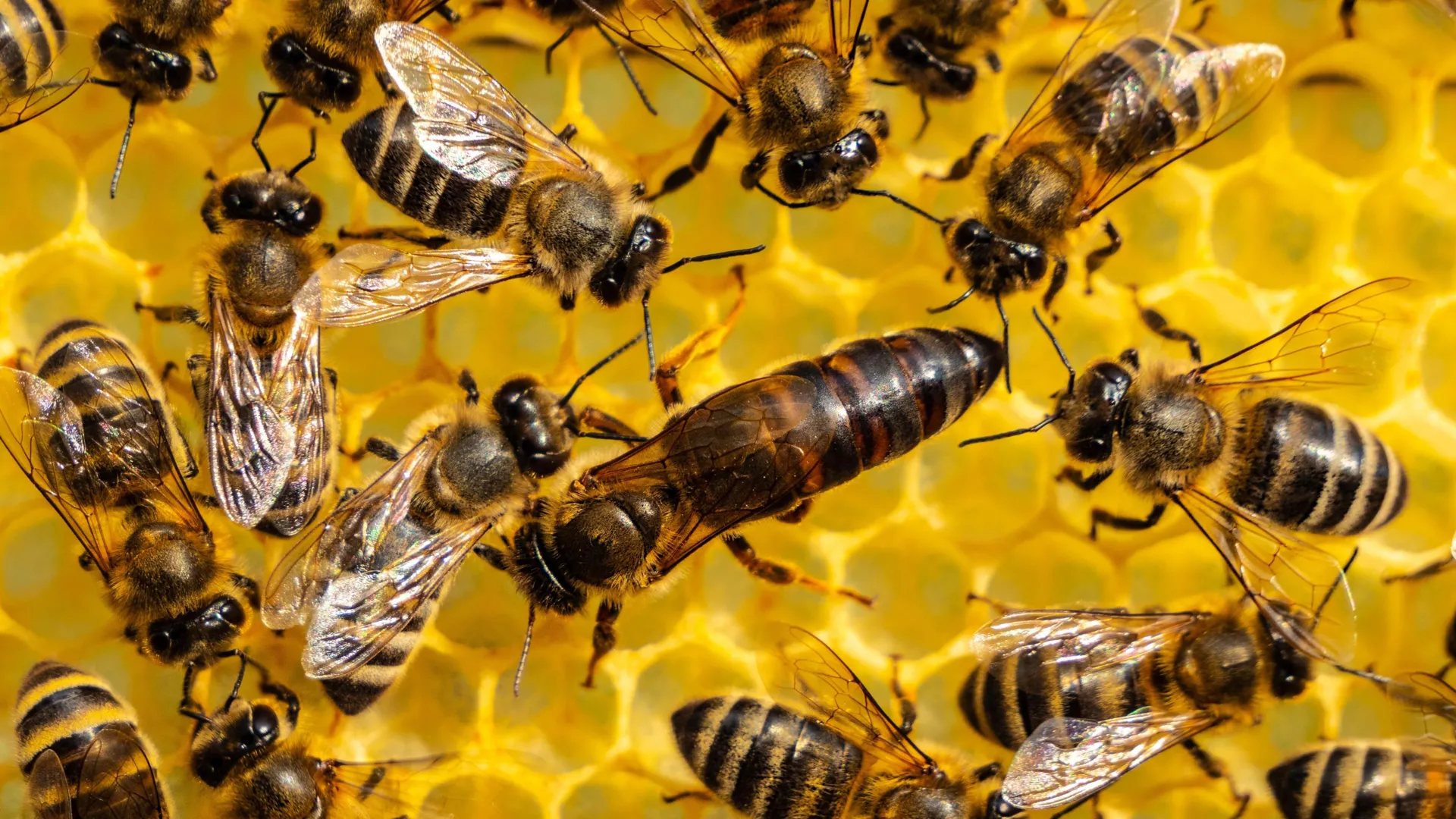
When a young worker bee no more than five days old begins shaping a peanut-like chamber from specially processed wax, she is taking part in one of nature’s most precise royal rituals—one that scientists are only now beginning to understand. For over a century, the transformation of a honeybee larva into a queen was credited almost entirely to royal jelly, the rich, milky substance fed to select larvae. But new research reveals that the cradle matters just as much as the diet. The discovery reshapes our understanding of one of the insect world’s most iconic processes and highlights the extraordinary cooperation embedded in hive life.
Published in Nature, the study uncovers that queen bees develop not just because of what they eat, but because of where they grow. Researchers from the University of California, Riverside’s Center for Integrative Bee Research (CIBER), working with international collaborators, found that the so-called "queen cells"—often dismissed as simple brood containers—are in fact bioengineered nurseries. These royal cribs are constructed by a specialized caste of young worker bees, now identified as "queen cell builders," who modify wax to create a microenvironment optimized for heat retention, moisture control, and developmental signaling. The wax used in these cells is less dense, more flexible, and chemically distinct from that in worker brood cells, enriched with unique fatty acids that appear to influence larval development.
To test the impact of this specialized architecture, scientists raised queen larvae in artificial cells made from either queen-specific wax or standard worker wax. All larvae received identical diets, including royal jelly. Yet those in worker wax cells were more likely to die and emerged as smaller, less robust queens. This proves that the physical and chemical properties of the chamber itself are critical—on par with nutrition. The queen cell builders, typically younger than most hive workers, were observed collecting and transforming hive materials, even selectively transporting modified wax from distant combs, as revealed by traceable graphite markers.
These bees also exhibit physiological changes, maintaining higher body temperatures and activating unique biological pathways linked to wax synthesis. Their efforts help accelerate queen development: a queen matures in 16 days, compared to 21 for a worker—a vital speed when a colony faces queen loss. The same patterns were observed in both European (Apis mellifera) and Asian (Apis cerana) honeybees, suggesting this complex system evolved early and is likely universal among honeybee species.
"You can think of it as something like Buckingham Palace," says Boris Baer, director of CIBER and a lead contributor to the study. "There is a dedicated group of bees focused entirely on raising the queen, and if they don't get it right, the colony cannot reproduce." This intricate, multi-layered process—combining specialized labor, biological engineering, and environmental precision—reveals a level of social sophistication rarely seen in the animal kingdom. As scientists continue to decode the hive’s secrets, one truth becomes clearer: the making of a queen is not a solitary act of feeding, but a collective act of care, craftsmanship, and commitment.