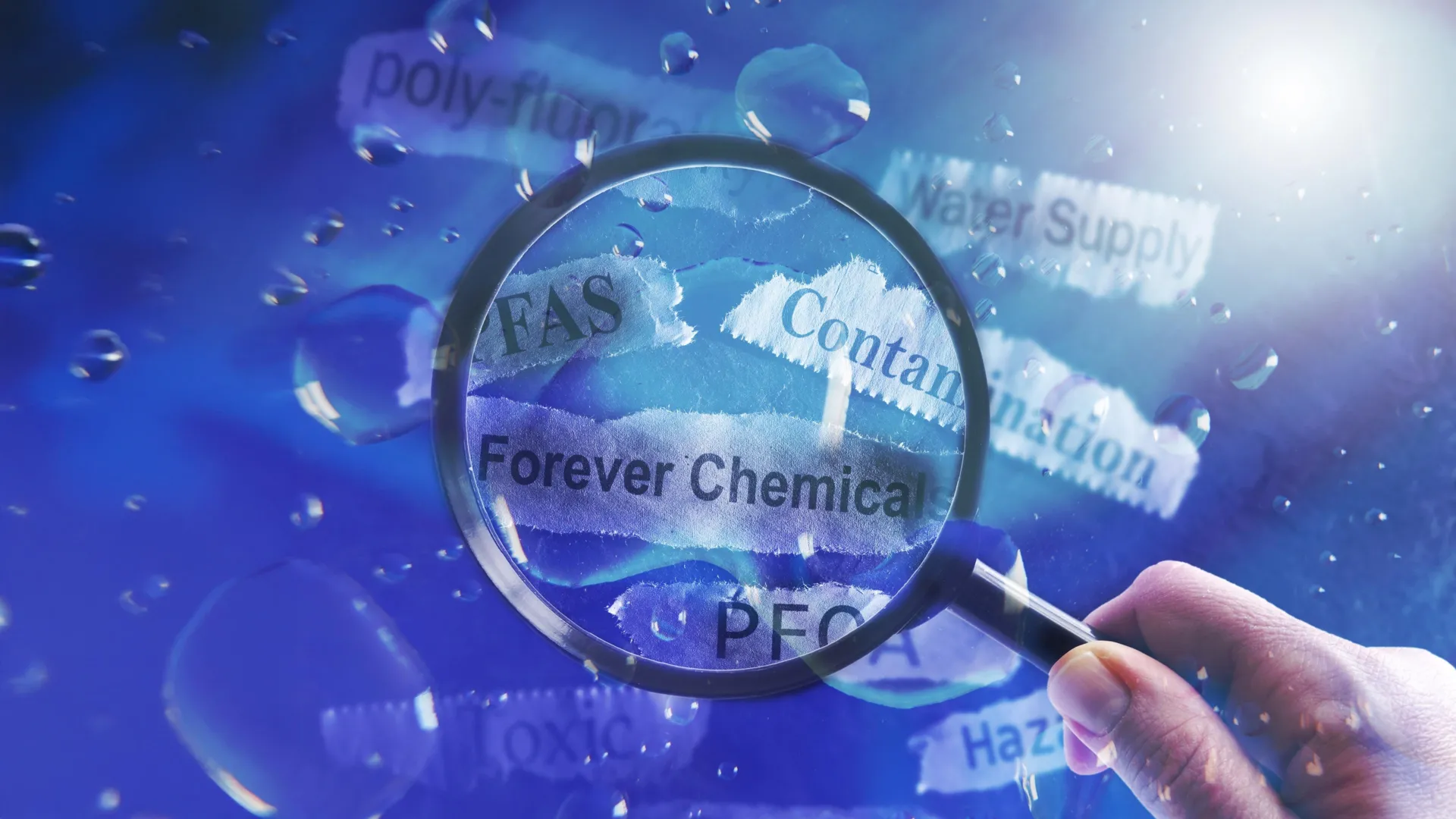
Zongsu Wei was staring at a vial of contaminated water in his lab at Aarhus University when the data finally clicked—hydrogen radicals, born from water under intense ultraviolet light, were tearing apart PFAS molecules, one fluorine atom at a time. These so-called 'forever chemicals,' long considered nearly indestructible due to their unyielding carbon-fluorine bonds, had met their match not with toxic additives or costly reagents, but with light and water alone. For decades, PFAS—used in everything from non-stick pans to firefighting foam—have accumulated in ecosystems and human bodies, resisting breakdown and raising alarms over links to cancer, liver damage, and hormonal disruption. Their persistence has made them a global environmental crisis, with most current water treatments merely relocating the problem rather than solving it. But Wei’s breakthrough, published in a new study, shifts the paradigm: instead of filtering PFAS out, we might now be able to destroy them at the molecular level.
The key lies in hydrogen radicals, highly reactive particles formed when high-energy UV light—specifically below 300 nanometers—strikes water. Earlier research assumed other reactive species were doing the heavy lifting in PFAS degradation, but Wei and his team demonstrated that hydrogen radicals are the dominant force. These radicals attack the strong carbon-fluorine backbone of PFAS, systematically stripping away fluorine atoms and breaking the compounds into smaller, less harmful byproducts. This mechanistic insight is crucial. As Wei explains, 'We know that PFAS are extremely stable because of the strong carbon-fluorine bonds, and breaking those bonds is the main challenge. By identifying hydrogen radicals as a dominant driver, we now have a clearer direction for how to design more efficient and sustainable technologies to actually destroy these chemicals, rather than just removing them.'
The implications are significant. Current filtration methods, like activated carbon or ion exchange, concentrate PFAS into waste streams that must be disposed of—often ending up in landfills or incinerators, where they can re-enter the environment. True degradation eliminates the risk of recontamination. While the process is still relatively slow and can produce intermediate compounds, the discovery provides a foundational understanding that can accelerate the development of scalable, chemical-free treatment systems. Engineers can now optimize UV reactors to maximize hydrogen radical production, potentially leading to greener, more cost-effective solutions for water treatment plants, military bases, and industrial sites plagued by PFAS pollution.
This isn’t a magic bullet yet—but it’s a beacon. For the first time, scientists have pinpointed the precise mechanism that can dismantle one of the world’s most stubborn pollutants. As research builds on this revelation, the dream of turning 'forever chemicals' into harmless fragments is no longer science fiction. It’s a solvable chemistry problem.