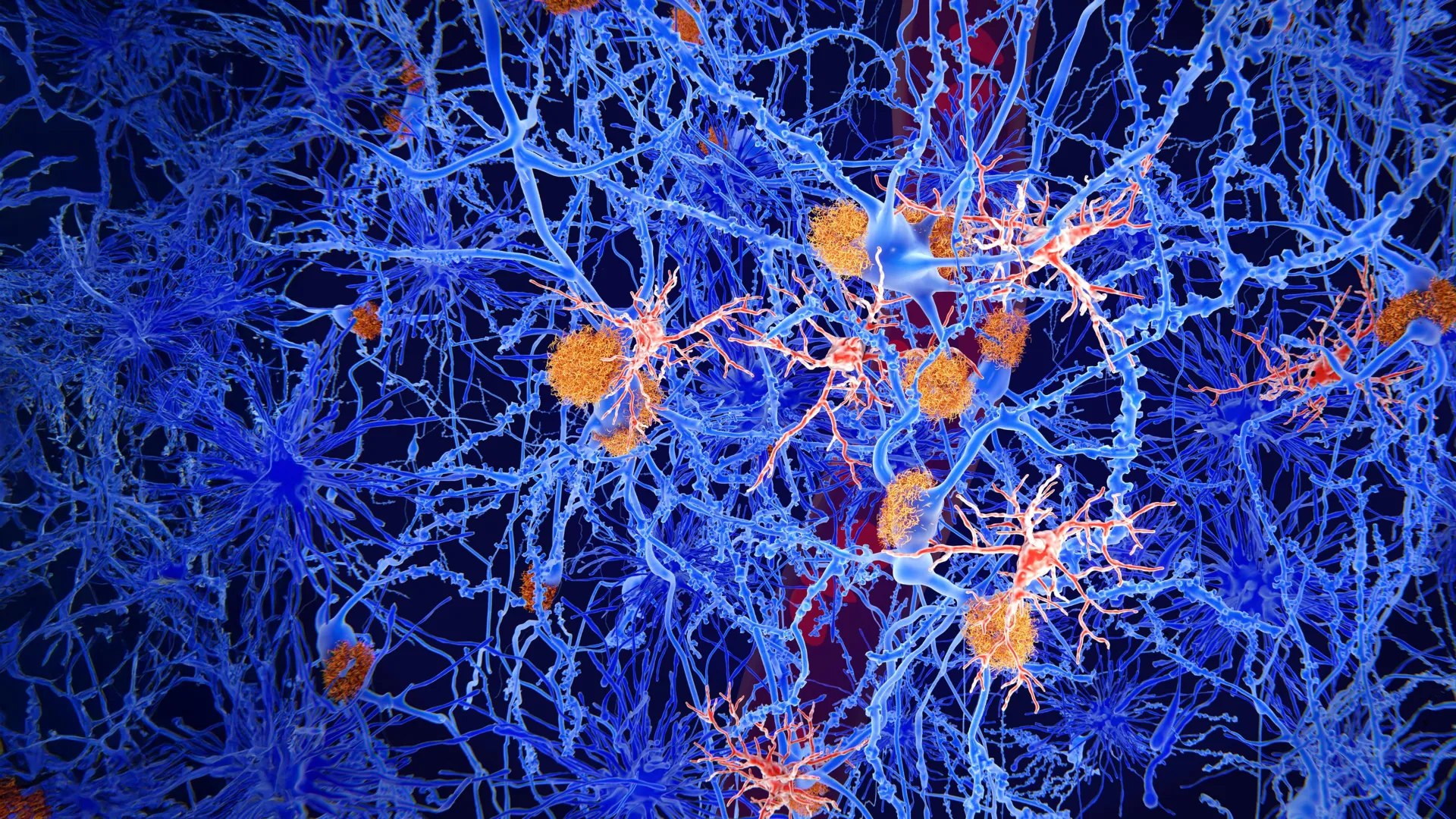
In a lab in Elche, Spain, a molecule named OLE is giving mice with Alzheimer’s-like symptoms a second chance at memory. Born from the PM20D1 gene and tested across worms, mice, and cell cultures, OLE is reprogramming the brain’s immune cells—microglia—to once again fight the toxic beta-amyloid plaques that define Alzheimer’s disease. For a condition that affects over 55 million people worldwide and has long eluded effective treatment, this discovery offers a rare spark of hope.
Alzheimer’s doesn’t just steal memories—it cripples the brain’s own defenses. Microglia, the immune sentinels meant to clear away harmful protein buildup, become sluggish and dysfunctional over time. But the joint research team from the Institute for Neurosciences (IN), a collaboration between CSIC and Miguel Hernández University, and EPFL in Switzerland, has found a way to reboot these cells. Led by José Vicente Sánchez Mut and Johannes Gräff, the scientists discovered that OLE restores microglia’s ability to migrate toward beta-amyloid plaques and form protective barriers around them, effectively quarantining the damage.
The results were striking. In mice treated with OLE for three months, memory performance improved significantly compared to untreated animals. Brain analyses revealed fewer and smaller amyloid plaques, and single-cell sequencing showed microglia springing back into action, reactivating pathways linked to plaque clearance. Even in C. elegans worms genetically engineered to produce human beta-amyloid, OLE reduced protein clumps and restored movement—early signs of neuroprotection.
"One of the most significant findings is that we have identified a molecule capable of restoring microglia's protective function," says Sánchez Mut, who leads the Functional Epi-Genomics of Aging and Alzheimer's Disease laboratory. The team’s cell culture experiments further revealed that OLE-treated microglia were more mobile and efficient at targeting plaques, while neurons exposed to Alzheimer’s-like conditions showed improved survival—suggesting the molecule may shield brain cells directly as well.
Backed by two European patents and funding from major institutions including the Swiss National Science Foundation, the European Research Council, and Spain’s Ministry of Science, the research is paving the way for a new class of Alzheimer’s therapies. Unlike many existing treatments that merely manage symptoms, OLE targets the disease’s root mechanisms by empowering the brain’s innate immune system. While human trials are still ahead, the consistency of results across species and models makes this one of the most promising leads in recent years.
For a disease that has resisted breakthroughs for decades, the idea that we might not just slow, but reverse, cellular decline is transformative. OLE isn’t a cure—yet—but it’s a bold step toward turning the brain’s own defenses into allies in the fight against dementia.