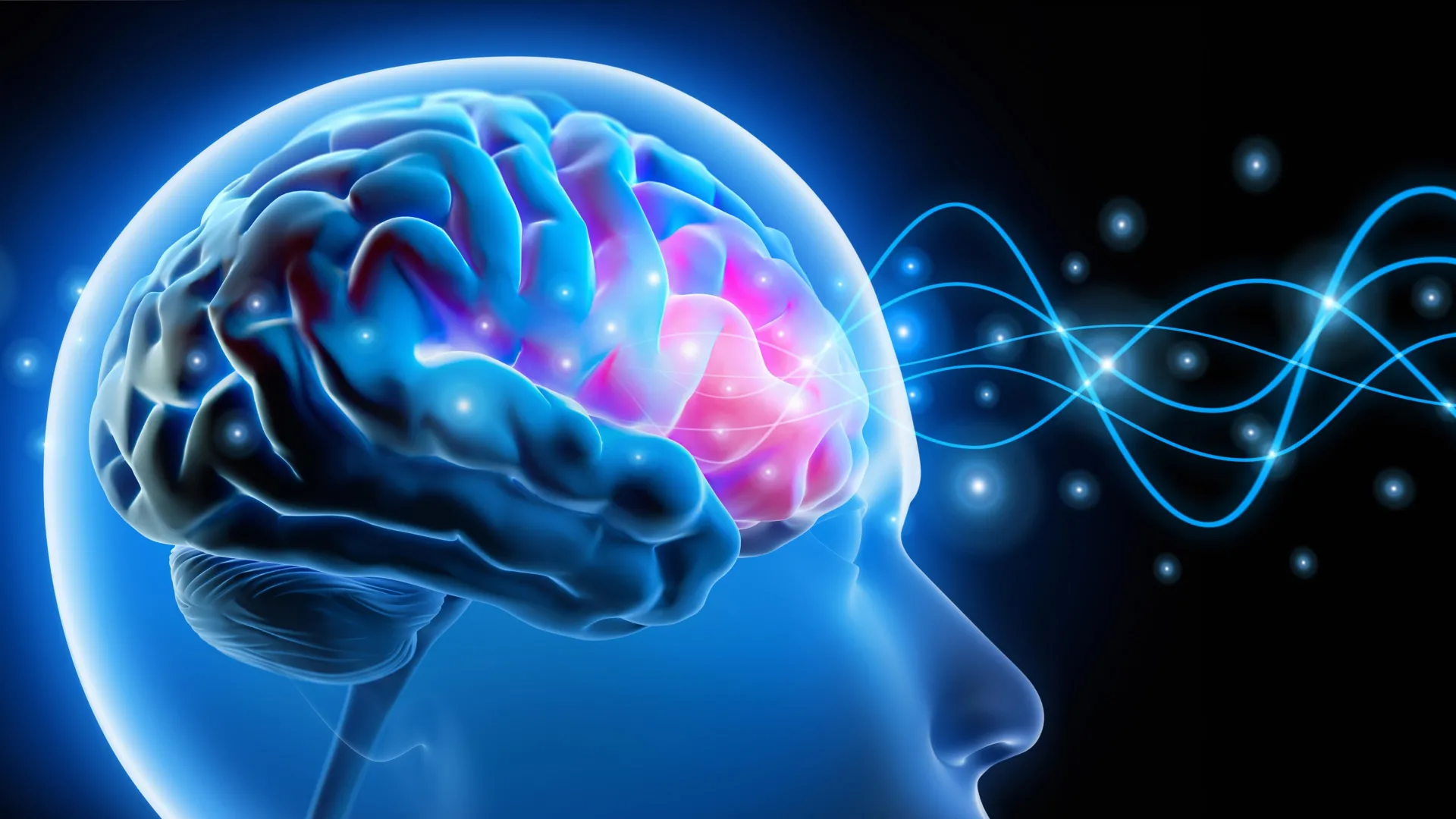
Scientists in Elche have discovered how to flip a switch in the brain that controls anxiety—and in doing so, they've reversed the condition in mice in ways that could reshape how we think about treating emotional disorders. Juan Lerma and his team at the Synaptic Physiology laboratory of the Institute for Neurosciences, a joint center of Spain's National Research Council and Miguel Hernández University, identified a specific neural circuit in the amygdala so precisely linked to anxiety, depression, and social withdrawal that restoring its balance alone was enough to erase these behaviors. Their findings, published in iScience, suggest that emotional disorders may have a solution far more localized than we've previously imagined.
The amygdala has long been known as the brain's emotional hub, governing fear and anxiety. But Lerma's team went deeper, identifying a particular population of neurons whose imbalanced activity alone can trigger pathological behaviors. The researchers worked with genetically engineered mice that carried unusually high levels of the Grik4 gene, a change that increased GluK4 glutamate receptors and made certain neurons hyperexcitable. These animals displayed anxiety-like behaviors and social withdrawal—traits that mirror conditions like autism and schizophrenia in humans. The mouse model, first developed by Lerma's lab in 2015, provided a living blueprint for understanding what goes wrong when this circuit misfires.
The intervention came next, and it was elegant in its specificity. Using genetic engineering and modified viruses, the researchers targeted the basolateral amygdala, a distinct section within the larger amygdala structure. By normalizing Grik4 gene activity there, they restored balanced communication with inhibitory neurons in the centrolateral amygdala—cells the team calls regular firing neurons. The result was striking. "That simple adjustment was enough to reverse anxiety-related and social deficit behaviors, which is remarkable," explains Álvaro García, the study's lead author. The team measured these improvements through electrophysiological recordings and behavioral tests standard in rodent research: assessing how willing mice were to explore open spaces and whether they showed interest in unfamiliar mice—metrics that directly reflect anxiety and social engagement.
What makes this finding even more powerful is that it extends beyond the lab's original genetic model. When the researchers applied the same intervention to ordinary wild-type mice that naturally displayed elevated anxiety, the treatment reduced their anxiety as well. This validation matters enormously. "This confirms that the mechanism we identified is not exclusive to a specific genetic model, but may represent a general principle for how these emotions are regulated in the brain," Lerma notes. The implication is profound: they may have discovered part of a universal system underlying emotional regulation across different animals and, potentially, different causes of anxiety.
Not all deficits vanished after treatment. The mice continued struggling with object recognition memory, suggesting that other brain regions—the hippocampus among them—contribute to different aspects of these disorders. That limitation is honest and important: it tells us that emotional disorders are complex and may require multifaceted approaches. Yet the findings still point toward a radically new direction for treatment. "Targeting these specific neural circuits could become an effective and more localized strategy to treat affective disorders," Lerma concludes. For millions of people living with anxiety, depression, and the social toll these conditions extract, the possibility of interventions this precise—this targeted—represents a genuinely hopeful horizon.