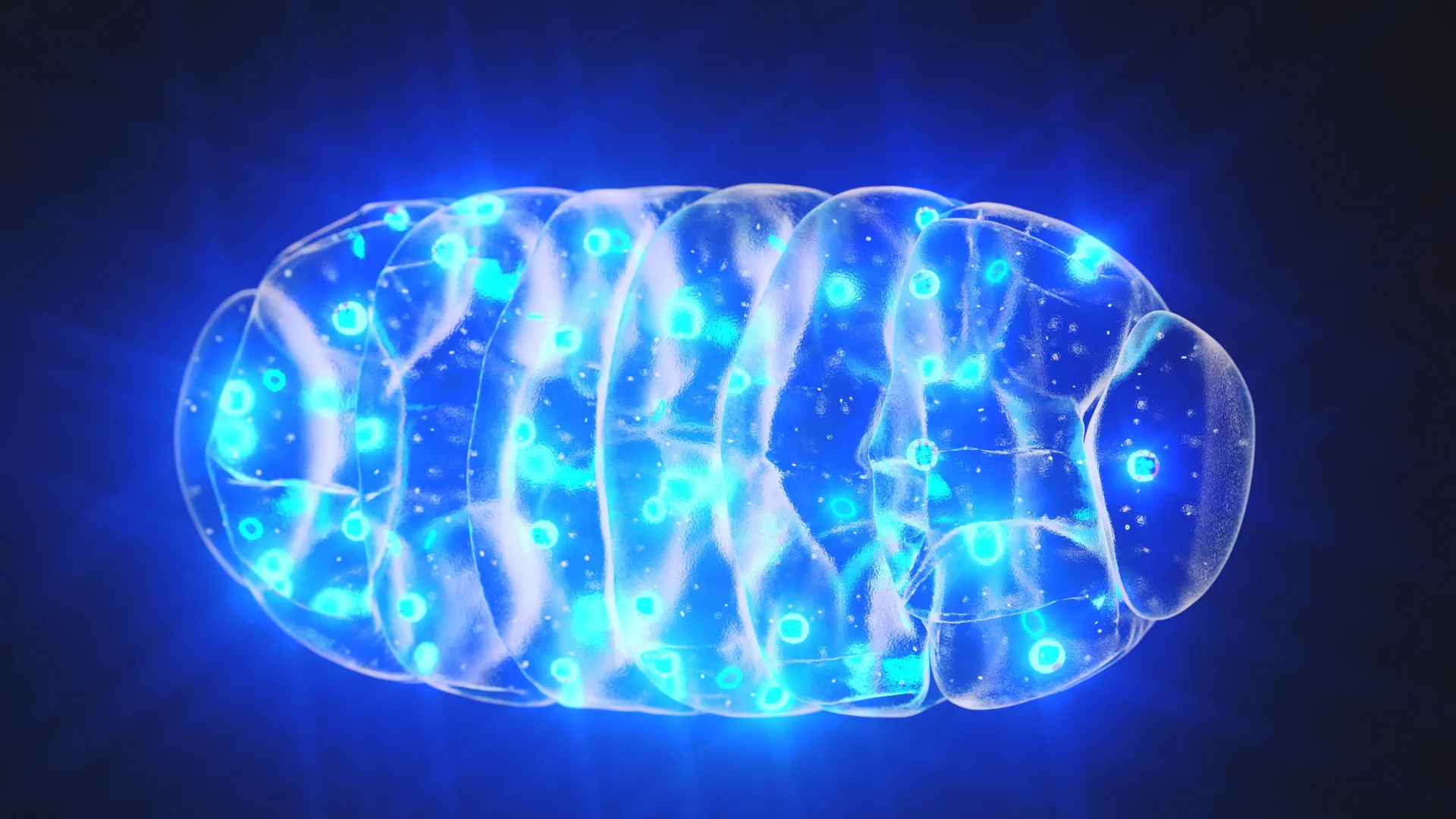
In a laboratory in Bordeaux, French and Canadian researchers powered up the brain's tiniest engines and watched memory return. The discovery, published in Nature Neuroscience, involved an artificial receptor called mitoDreadd-Gs designed to activate energy production directly inside mitochondria—those microscopic structures that supply fuel to every neuron. When the team switched it on in mouse models of dementia, something remarkable happened: cognitive decline reversed.
This finding matters because it cuts to the heart of a question scientists have wrestled with for decades. In Alzheimer's disease and other neurodegenerative disorders, faulty mitochondria have always been present at the scene, but nobody could prove they were the culprit rather than a bystander. Did broken energy machinery cause memory loss, or did brain damage break the machinery? The team at NeuroCentre Magendie in Bordeaux, working with collaborators at Université de Moncton in Canada, engineered an elegant answer: they temporarily boosted mitochondrial activity and watched symptoms improve. That direct cause-and-effect link, Giovanni Marsicano, the study's co-senior author and Inserm research director, explains, "is the first to establish a cause-and-effect link between mitochondrial dysfunction and symptoms related to neurodegenerative diseases."
The brain is extraordinarily hungry for energy. Neurons need constant fuel to send signals to one another, form memories, and sustain the countless operations that keep us thinking. When mitochondria falter, neurons lose their power supply. Communication weakens. Memory fades. Until now, researchers suspected mitochondrial failure happened late in the disease, as a consequence of accumulated damage. This work suggests the opposite: that broken energy production may be an early driver of cognitive decline, arriving before neuron death and potentially triggering it.
The researchers' breakthrough required years of groundwork. Earlier studies by the same teams had already identified that special proteins called G proteins regulate mitochondrial activity in the brain. For this 2025 study, they built an artificial receptor that could activate those G proteins directly within mitochondria, stimulating energy production on demand. When they activated mitoDreadd-Gs in animal models, mitochondrial activity returned to normal levels and memory performance improved. The mice regained what they had lost.
This is early-stage science, and the path from mouse brains to human medicine remains uncertain. The researchers themselves emphasize that no treatment is ready for patients, and much more research is needed to confirm whether similar approaches could be safe, durable, and effective in people. Yet the findings align with a larger shift in dementia research. Scientists are increasingly looking beyond amyloid plaques and tau tangles—the classical hallmarks of Alzheimer's disease—to understand how energy production, metabolism, inflammation, and cellular stress shape neurodegeneration from its earliest stages. Recent work from Mayo Clinic has linked disruptions in mitochondrial complex I, a key component of the cell's power system, to Alzheimer's progression. Multiple reviews have since described mitochondrial failure as an early and potentially central feature of the disease, not merely a late consequence.
What these researchers have done is open a new door in dementia science. By demonstrating that restoring mitochondrial function improves memory, they've suggested a fundamentally new therapeutic strategy: not fighting the plaques and tangles that form after damage, but rebuilding the power supply that neurons depend on to prevent that damage from accumulating in the first place. For millions living with dementia and those hoping to prevent it, that possibility offers something precious: hope grounded in mechanism, not speculation.