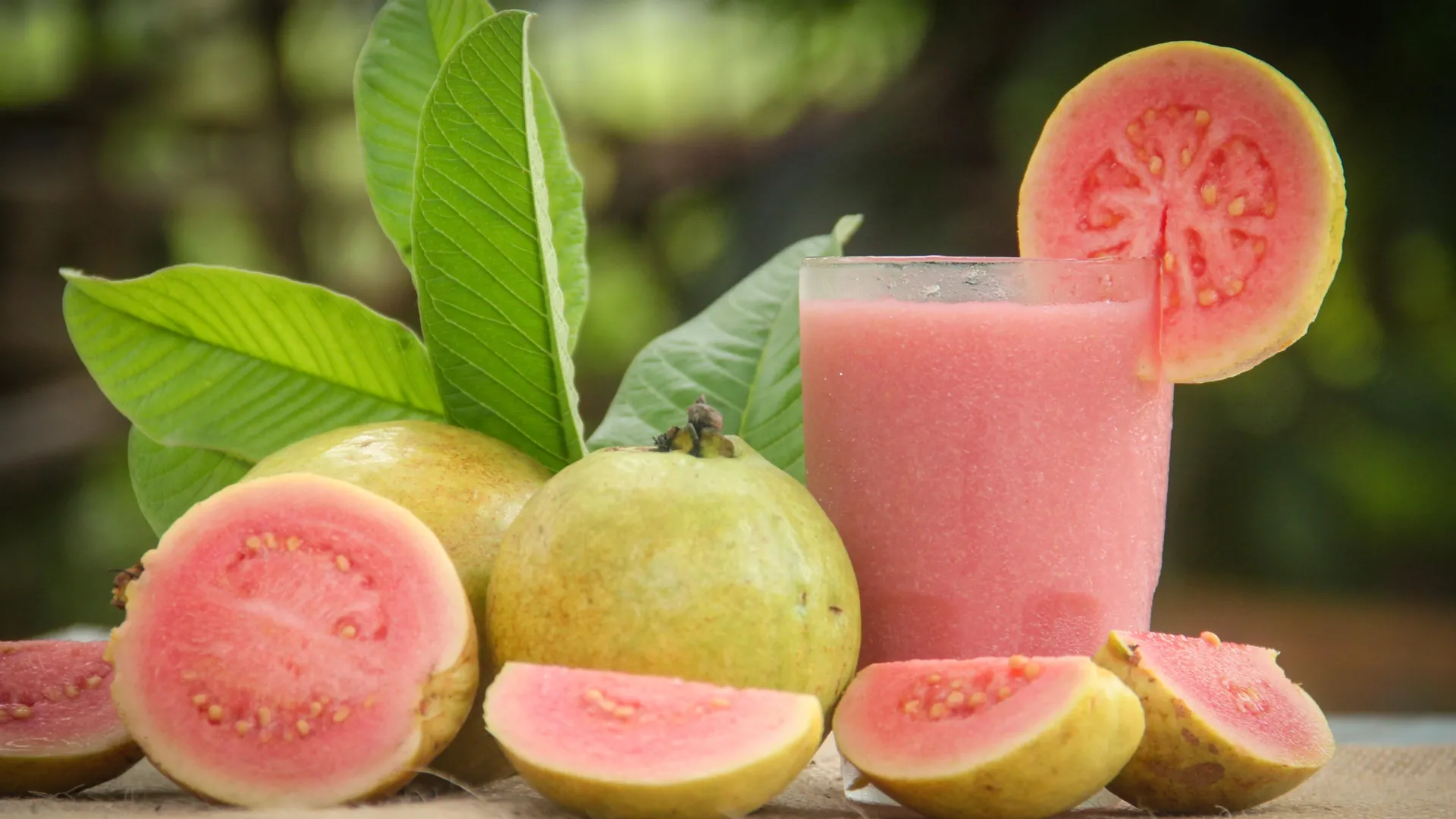
When 16-year-old Sari in West Java sipped a glass of bright pink guava juice after school, she wasn’t just enjoying a local favorite—she was unknowingly tapping into a powerful nutritional ally. Across Indonesia, researchers are uncovering that this everyday habit, when paired with iron supplements, could be quietly transforming the fight against anemia. A new review of 17 studies, published in BMJ Nutrition Prevention & Health, reveals that guava juice—packed with up to four times more vitamin C per 100 grams than oranges—can significantly boost hemoglobin levels, especially in women and teenage girls at high risk of iron deficiency. In a country where anemia affects nearly 50% of pregnant women and a third of adolescent girls, this simple, culturally rooted solution could be a game-changer.
Iron deficiency anemia is more than just fatigue—it can derail school performance, complicate pregnancies, and deepen cycles of poverty. While iron supplements are a standard intervention, their effectiveness often depends on what they’re taken with. Enter guava: a tropical fruit rich not only in vitamin C but also in folate, vitamin A, and dietary fiber. The review analyzed data from 235 women and adolescent girls across Indonesia, where most studies were conducted, and found an average hemoglobin increase of 1.71 g/dl when guava juice was consumed alongside iron. For pregnant women, the rise was even more pronounced—1.84 g/dl—while teens saw a 1.52 g/dl improvement. Crucially, five studies directly comparing iron supplements alone to iron plus guava juice showed the combination led to hemoglobin levels 1.29 g/dl higher—an increase that can shift someone from moderately anemic to healthy.
The implications are immediate. An increase of just 1–2 g/dl can restore energy, sharpen focus, and improve birth outcomes. And because guava is widely grown, affordable, and already embraced in local diets, it doesn’t require a supply chain overhaul. Researchers suggest integrating the juice into school nutrition programs or antenatal care packages, aligning with the UN’s Decade of Action on Nutrition’s push for locally sourced, nutrient-dense foods. Professor Sumantra Ray of NNEdPro notes that while the science of vitamin C enhancing iron absorption isn’t new, “this study builds on the established role of dietary sources high in vitamin C to enhance iron absorption and improve the effectiveness of iron supplementation.” Still, he cautions that most evidence comes from quasi-experimental studies, and long-term impacts remain unclear.
Yet the momentum is growing. With guava trees thriving in tropical climates and juice preparation requiring minimal processing, scaling this intervention could be both sustainable and equitable. The vision is clear: a future where a glass of guava juice isn’t just a refreshment, but a quiet act of resilience—one that turns a local fruit into a frontline defense against a global health challenge.