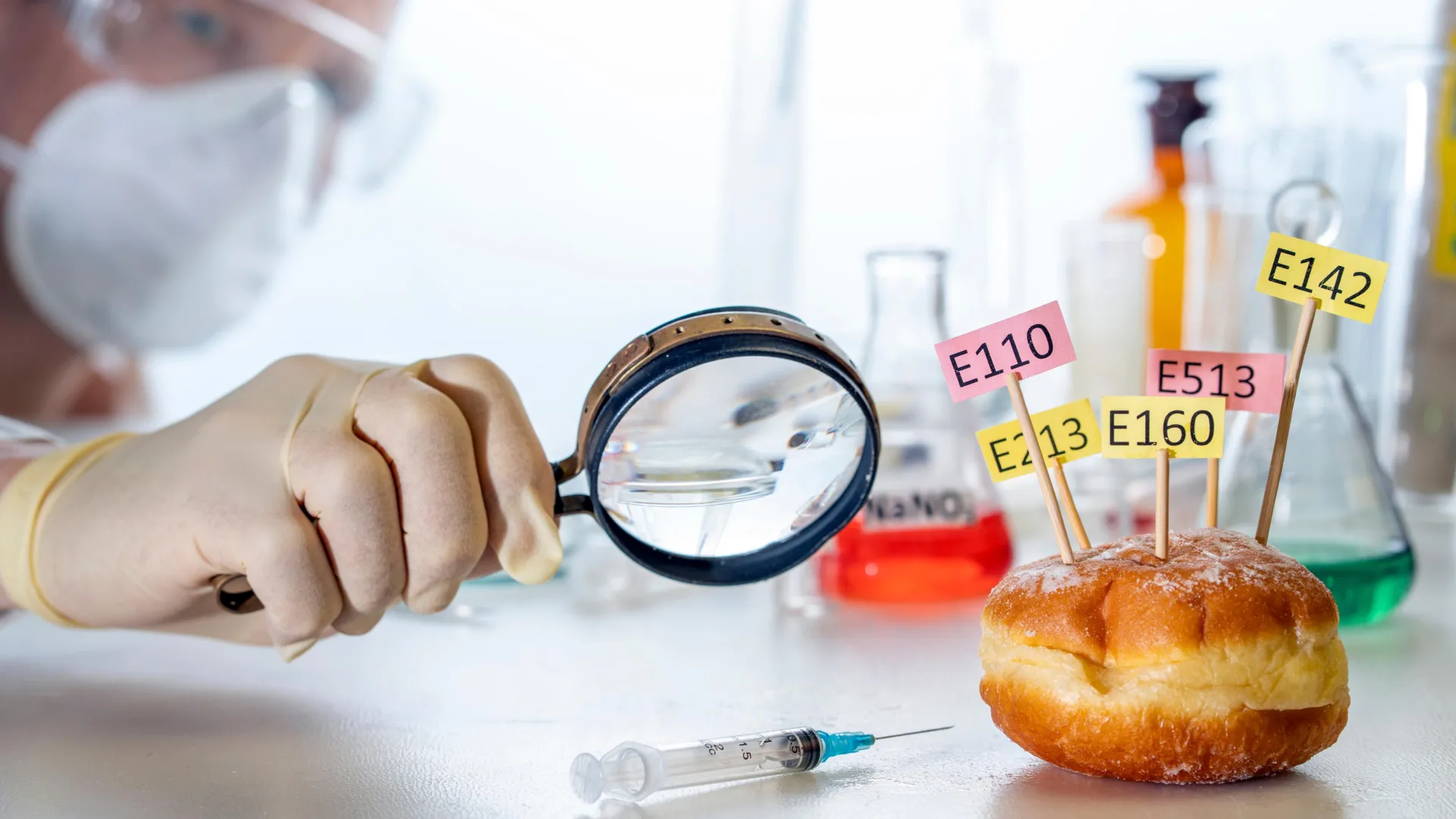
When Dutch mothers endured the bitter famine of World War II, their unborn children absorbed more than hunger—they carried invisible marks that would shape their health for decades. Scientists now know that the lack of food altered the activity of genes in those children, increasing their risk of heart disease, diabetes, and schizophrenia later in life. This profound insight is just one thread in a much larger revelation: what we eat does far more than nourish—it speaks to our cells, switches genes on and off, and shapes our long-term health in ways science is only beginning to understand. For years, nutrition has been reduced to calories, proteins, fats, and about 150 known nutrients. But researchers now estimate we consume over 26,000 distinct chemical compounds with every bite—most of which remain unidentified, unstudied, and uncharted. They’ve dubbed this vast, hidden realm “nutritional dark matter,” a term borrowed from astronomy, where dark matter shapes the cosmos despite being invisible to telescopes. In food, these unseen molecules may hold the missing keys to why diets affect people so differently, why some foods protect against disease while others quietly fuel it. The field of foodomics is now rising to the challenge, combining genomics, metabolomics, and gut microbiome science to map how food interacts with our bodies at the molecular level. One striking example is TMAO (trimethylamine N-oxide), a compound produced when gut bacteria digest red meat and eggs. High levels of TMAO are linked to increased heart disease risk—but garlic contains natural substances that block its production, revealing how one food can counteract the harm of another. Similarly, ellagic acid in berries and nuts is transformed by gut microbes into urolithins, compounds that support mitochondrial health—the very engines of our cells. Projects like the Foodome Project are now cataloging over 130,000 food molecules, linking them to human proteins, gut microbes, and disease pathways. This emerging atlas could one day guide personalized nutrition, explain diet-related health disparities, and even inspire new therapies. We are still at the dawn of this discovery, but the implications are profound: food is not just fuel, but a dynamic, complex chemical language. As we begin to decode it, we may finally understand how to eat not just to survive, but to thrive.
← News
Science Breakthroughs Science Breakthroughs Knowledge
Scientists say most of what’s in your food is still a mystery
26,000+ Unknown compounds
150 Known nutrients
10% Of Disease Risk Genetics explains
1 In 5 Adults Diet-linked deaths
10% genes explain disease risk