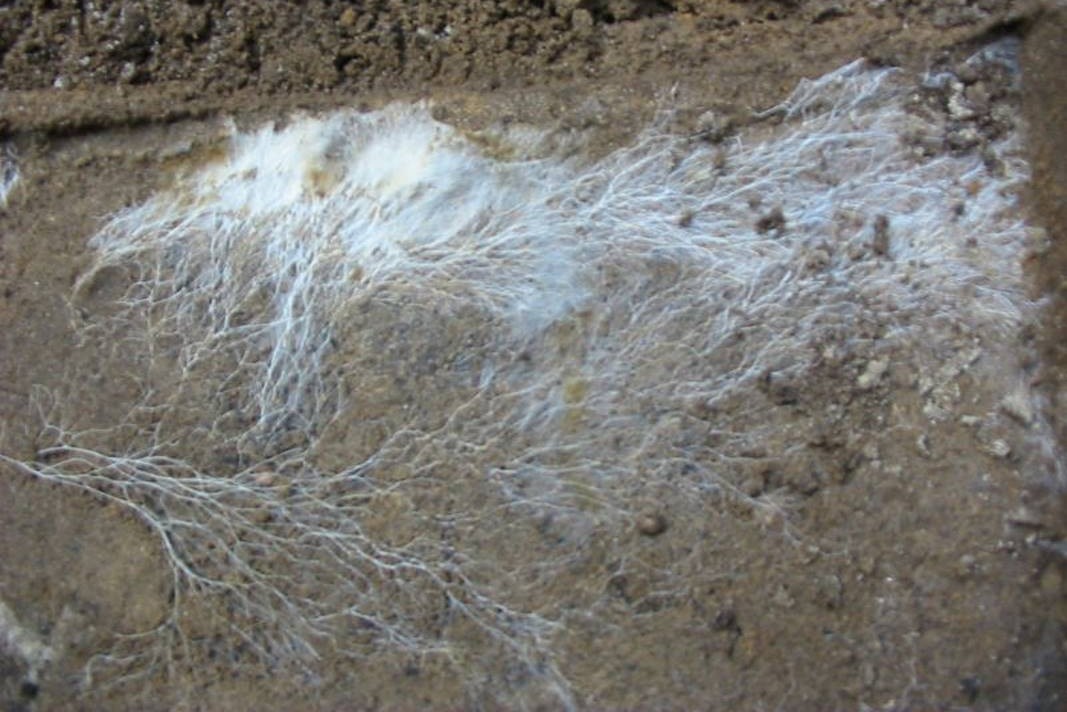
Beneath the Anatolian steppe, where winds sweep across endless grasslands, and under the flooded plains of the Sudd in South Sudan, an invisible lifeline stretches 62 quadrillion miles through the top 15 centimeters of soil—more than enough to travel from Earth to the Sun and back one billion times. This is the living web of mycorrhizal fungi, a subterranean network so vast and vital that scientists are now urging the world to protect it before it’s too late. Known poetically as the “wood wide web,” this fungal infrastructure quietly sustains ecosystems by connecting plants, shuttling nutrients, and locking away carbon—services that remain largely unseen and unappreciated in global conservation efforts.
The groundbreaking study, published last July by researchers with the Society for the Protection of Underground Networks (SPUN), not only quantified the astonishing scale of these fungal filaments—called hyphae—but also translated the data into an interactive global map. For the first time, anyone can explore where these networks thrive and where they’re at risk. The findings are both awe-inspiring and alarming: less than 10% of the densest fungal hotspots lie within protected areas. Among the most critical zones are the Tibetan plateau, the Everglades, and remnants of the North American Prairie—ecosystems where arbuscular mycorrhizal fungi form essential partnerships with plants, exchanging phosphorus and nitrogen for photosynthetic sugars.
These symbiotic relationships are not just about survival—they’re central to climate resilience. By enhancing plant growth and root efficiency, fungal networks significantly boost carbon sequestration, making them unsung heroes in the fight against climate change. Yet, in regions of intensive agriculture, the map shows a sharp decline in hyphal density, a sign of degradation that threatens both biodiversity and soil health. Despite the known participation of over 8,000 fungal species in these networks, not a single one has been assessed for endangered status by the International Union for Conservation of Nature.
SPUN’s mission is clear: bring fungi into the mainstream of conservation policy. Their data-driven approach offers a roadmap for protecting not just charismatic animals or towering forests, but the hidden biological compute that holds ecosystems together. As nations work toward the global goal of conserving 30% of land by 2030, the inclusion of underground biodiversity could redefine what it means to truly protect nature. The next frontier of conservation isn’t just above ground—it’s beneath our feet.