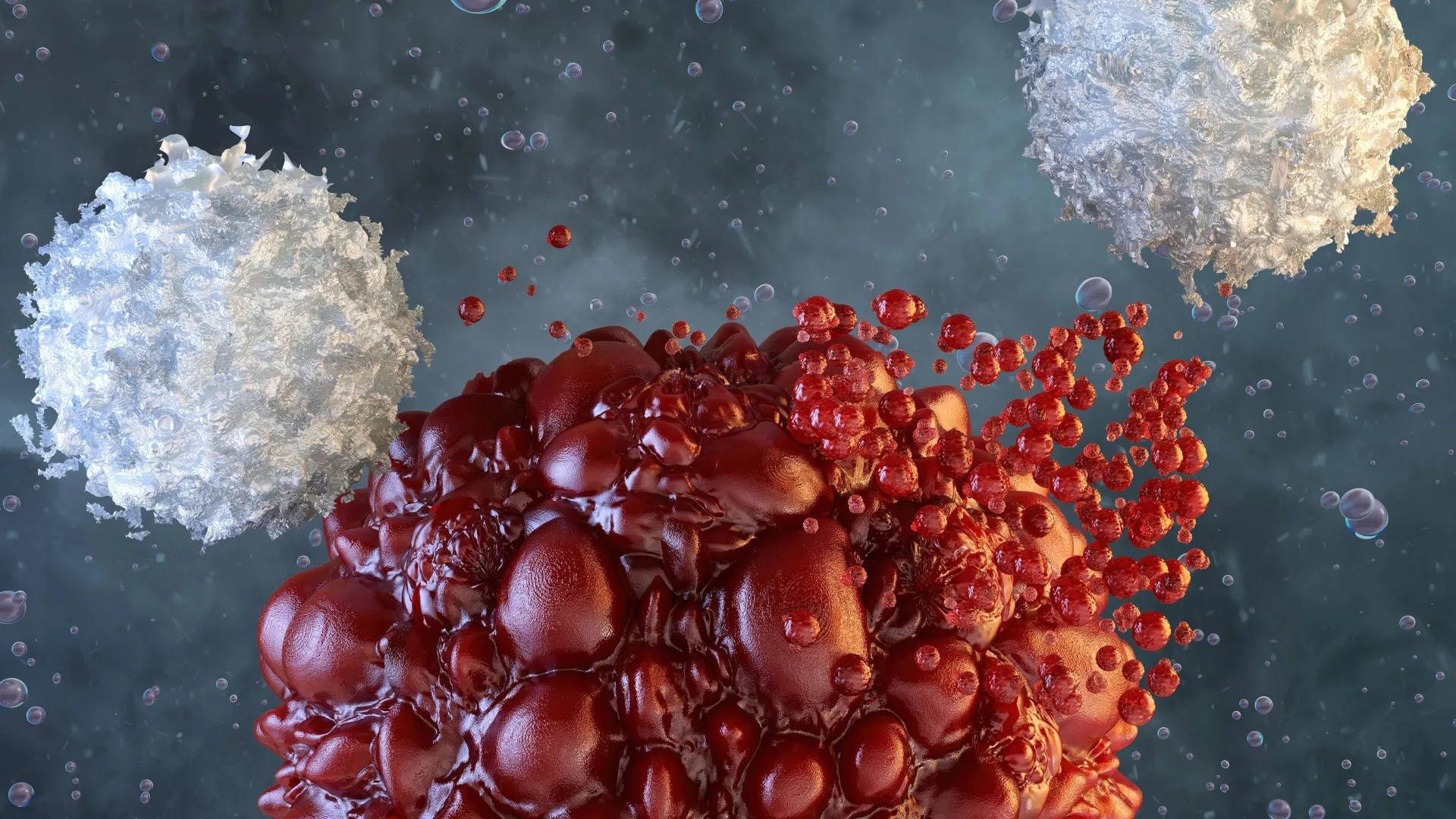
Michel L. Tremblay's team at McGill University has cracked a new way to supercharge the immune system's cancer fighters—without permanently rewriting the genetic code that makes cells what they are.
The breakthrough centers on natural killer cells, those front-line immune defenders that patrol the body looking for disease. For decades, cancer researchers have known these cells have tremendous potential, but tumors are savvy at hiding. They wrap themselves in protective barriers that trick NK cells into standing down. Now, scientists at McGill's Rosalind & Morris Goodman Cancer Institute have found a way to cut through that disguise by blocking just two specific proteins—PTPN1 and PTPN2—using small-molecule drugs.
What makes this approach elegant is what it doesn't do. Most modern cancer immunotherapies permanently alter immune cells' DNA, a powerful tactic but one that carries irreversible risks if something goes wrong. This method is different. By using drugs to temporarily boost NK cell activity, researchers can enhance their cancer-fighting prowess while keeping the option to dial it back if needed. It's like turning up the volume rather than rewiring the speaker.
In preclinical studies published in EMBO Reports in April 2026, the enhanced NK cells proved devastatingly effective. They successfully attacked human cancer cells from several of the body's most aggressive malignancies: leukemia, glioblastoma, kidney cancer, and triple-negative breast cancer. In animal models, the treatment significantly slowed tumor growth. For patients with limited options after standard treatments have failed, Tremblay said, "this approach is particularly promising."
The practical advantages extend beyond safety. Most cell-based cancer treatments today require doctors to extract each patient's immune cells, customize them in the lab—a process that can stretch over weeks—and then reinfuse them. It's expensive, complex, and time-consuming. McGill's approach sidesteps that bottleneck entirely. The researchers sourced NK cells from donated umbilical cord blood, then isolated, cultured, and stored them at the Cellular Therapy Laboratory under Pierre Laneuville and Linda Peltier's direction. This means the same batch of cells can treat multiple patients, and they're ready to use immediately. As Chu-Han Feng, a research scientist at the cancer institute, explained, the method "avoids the complex process of customizing cells and uses readily available drugs to reversibly enhance NK cells' anti-tumor activities."
The vision is clear: immunotherapy that's faster, safer, and more affordable.
The team's next target is acute myeloid leukemia, an aggressive blood cancer that leaves many patients with few good options. Clinical trials in human patients are in the works, pending funding and regulatory approval. It's a measured next step—testing in real patients what has already shown such promise in the lab. The research was funded by the Canadian Institutes of Health Research Foundation, the McGill University Health Centre Foundation, and several private foundations, reflecting the broad conviction that this work matters.
Behind every vial of cord blood cells lies a mother who volunteered to donate, trusting that her gift might help strangers fight for their lives. That generosity, combined with Tremblay's team's relentless focus on making immunotherapy smarter and kinder, points toward a future where cancer patients have more weapons in their arsenal and fewer scars from the fight.