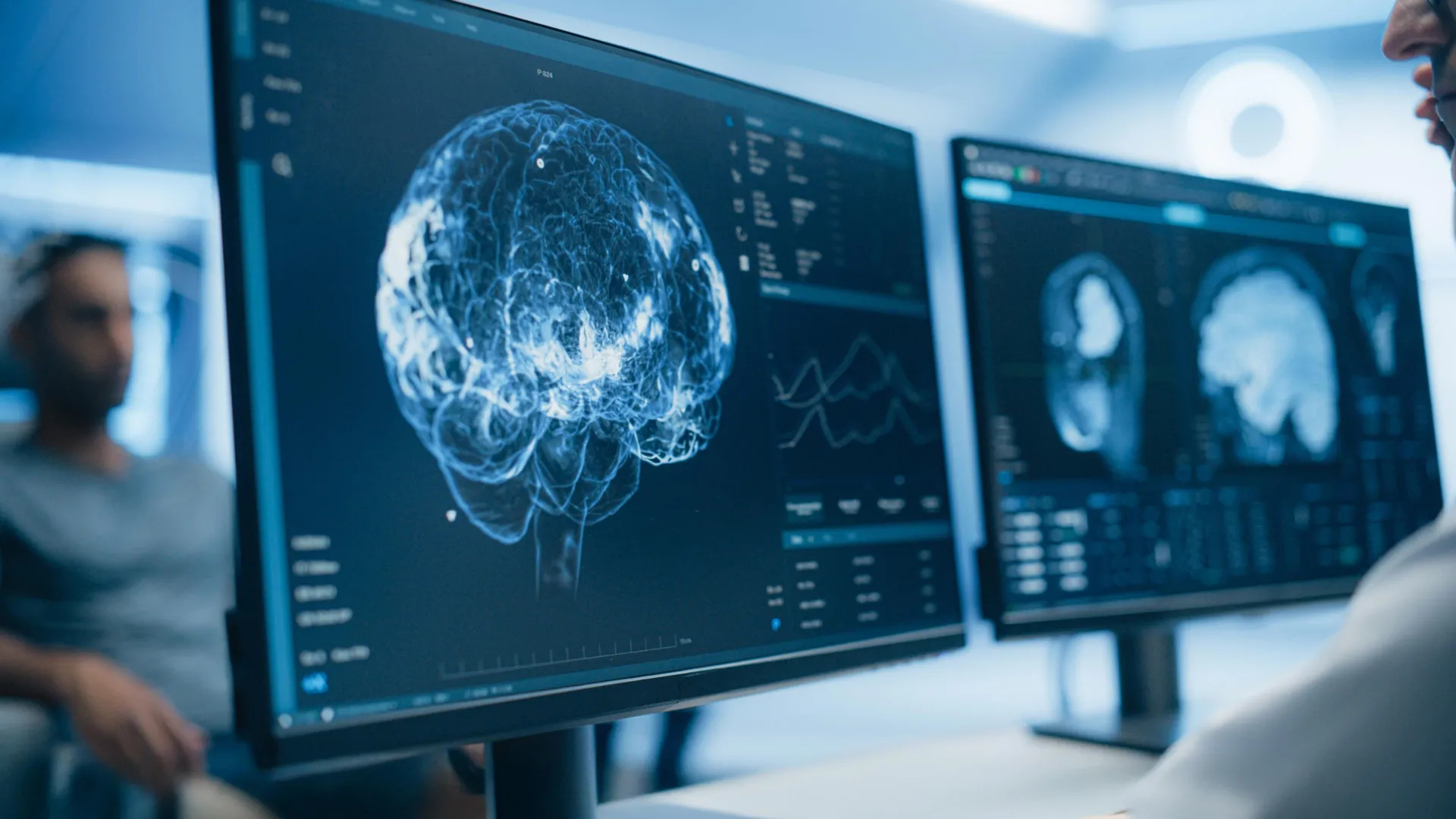
When researchers at the University of Turku scanned the brains of 14 long COVID patients expecting to find widespread inflammation, they discovered something that contradicted one of the field's most entrenched assumptions: the inflammation wasn't there. Using advanced PET and MRI imaging techniques, the Finnish team found no evidence of the persistent brain inflammation that scientists have long suspected drives long COVID's constellation of debilitating symptoms—fatigue, brain fog, anxiety, and depression that can linger for months or years after initial infection.
The finding matters because understanding what actually causes long COVID's lingering effects is the crucial first step toward treating them effectively. For years, researchers have explored brain inflammation as a leading explanation for why millions of people worldwide struggle with symptoms long after recovering from acute COVID-19 infection. This study, published in the Journal of Neurology, suggests that theory may need substantial revision.
Professor Laura Airas, who led the neuroimmunology research at the University of Turku's InFLAMES Research Flagship, was direct about what the scans revealed: "We did not observe evidence of widespread brain inflammation in patients with long COVID when compared to healthy controls." The team's methodology was rigorous. They compared 14 long COVID patients with 11 healthy volunteers and 13 people with multiple sclerosis—a neurological disease definitively characterized by brain inflammation. When researchers examined the long COVID group's white matter, inflammatory activity was much lower than in the MS patients. Blood samples showed no meaningful differences in markers linked to brain inflammation or neurodegeneration between long COVID patients and healthy controls.
But the researchers discovered something more nuanced than simple absence of inflammation. They noticed a temporal pattern: participants scanned within 16 months of infection showed higher inflammatory activity than those who had been ill for longer, suggesting inflammation may be strongest early in the disease before gradually declining. This finding aligns with previous neuropathological studies of severe acute COVID-19, which did show clear signs of brain inflammation during the acute phase.
The study's most striking insight came from a different direction. Patients experiencing higher levels of anxiety and depression, along with poorer quality of life, showed increased cellular activity in the hippocampus and amygdala—brain regions central to memory, emotional regulation, and stress responses. This pattern suggests that altered activity in emotion-related brain areas, rather than widespread inflammation, may better explain symptom severity in some long COVID patients.
The implications could reshape treatment approaches. If persistent brain inflammation isn't the primary driver of long COVID in all patients, then therapies designed solely to reduce inflammation may miss the mark for many people. Airas and her colleagues suggest that patients with persistent symptoms might benefit more from treatments targeting stress management and emotional regulation—an approach that accounts for the brain changes their imaging actually revealed.
"This study highlights the need to continue investigating the complex biological mechanisms underlying long COVID," Airas noted, capturing the field's evolving understanding. Rather than a single cause with a single solution, long COVID appears to be more complicated, involving different mechanisms at different stages of illness and varying across individuals. That complexity demands equally sophisticated approaches to treatment, informed by what brain imaging actually shows rather than what theory predicted.