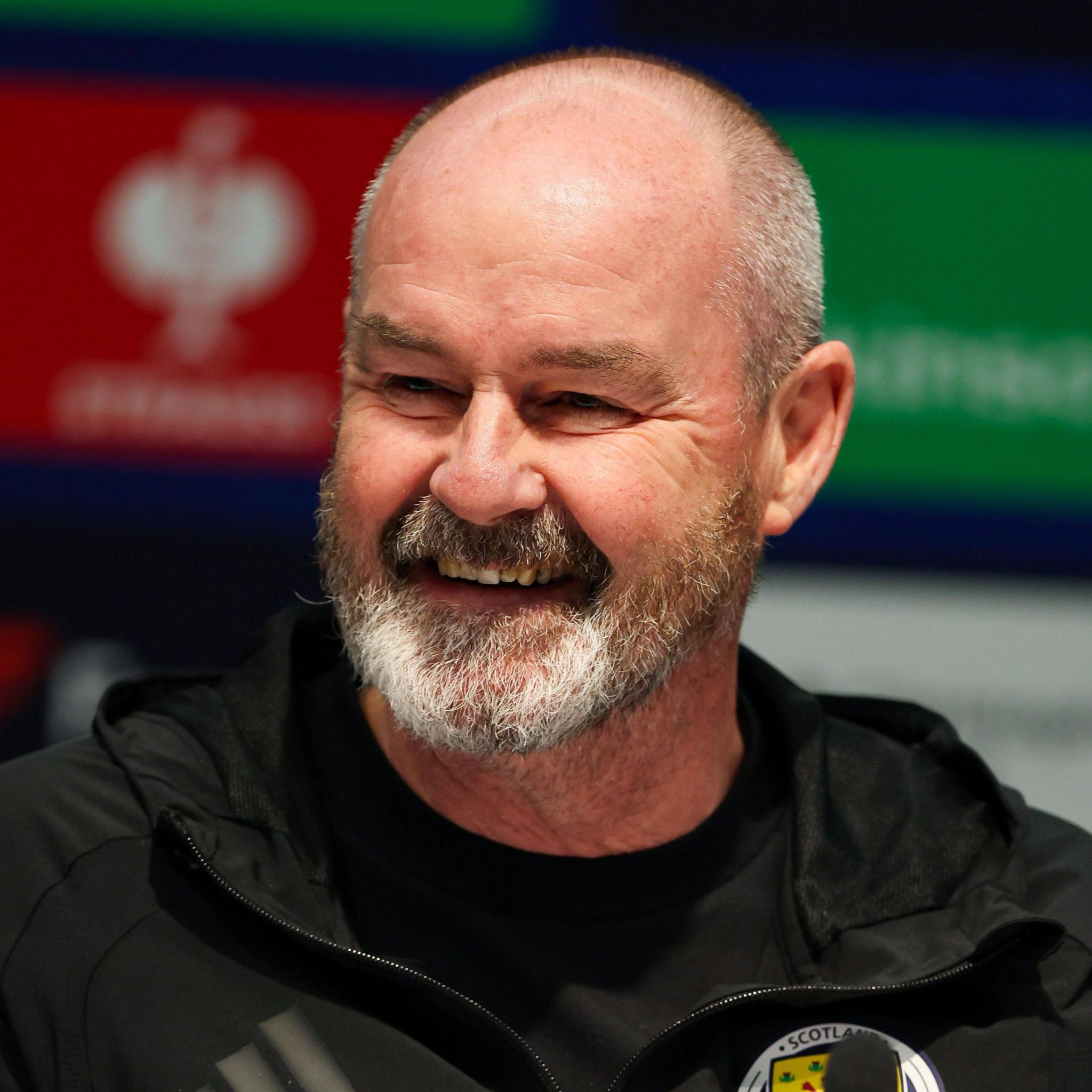
When Steve Clarke stepped up to address the Scotland squad at their team hotel before the crucial Denmark match, the normally reserved head coach did something unusual: he let emotion guide his words. Drawing on his own journey through football's peaks and valleys, Clarke walked the players through the seven-year arc of their time together, building toward the moment they had all been working toward—a return to the World Cup for the first time since 1998.
The effect was immediate and visceral. Ryan Christie felt the electricity in the room as players "jumped off their seats and were ready to go to war." Scott McTominay, one of the squad's midfield anchors, was nearly moved to tears. It was a rare window into Clarke's emotional intelligence, a quality those closest to him say has been fundamental to his success, even if his public persona projects a different image. Pat Nevin, who played alongside Clarke at Chelsea, remembers a player who commanded attention through sheer presence: "When he said something everyone shut up and listened."
Since taking over the Scotland job in 2019, Clarke inherited a team haunted by decades of major tournament drought and recent setback—a 3-0 defeat in Kazakhstan that had cost his predecessor his job. Yet Clarke arrived with a clear philosophy: build a core group, let them grow together, and trust them through the inevitable difficulties. That core has proven remarkably stable. Andy Robertson, John McGinn, Scott McTominay, Kenny McLean, John Souttar, and Scott McKenna were all in Clarke's first squad in 2019 and made the World Cup group, with only Souttar—sidelined by injury—holding fewer than 50 caps.
This loyalty has become Clarke's defining characteristic, though it cuts both ways. Critics point to stubborn adherence to familiar faces; supporters see unwavering belief in his players' ability to deliver when it matters. "Sometimes I get criticised for not going outside that core group but I believe in them a lot and they've delivered a lot for their country," Clarke has said. The philosophy reflects his own playing career, spent primarily at just two clubs: five years at St Mirren before 421 appearances for Chelsea, where he won an FA Cup and a European Cup Winners' Cup.
That attention to detail extends to every corner of Clarke's craft. Steven Reid, who worked as an assistant under Clarke at Reading, once described watching his boss adjust a training cone by mere inches for a drill—the kind of precision that leaves, in another observer's words, "no grey areas" for the squad. Jose Mourinho, Kenny Dalglish, and Ruud Gullit all employed Clarke as a coach, drawn to a meticulous approach that brings squads into tight formation with crystal-clear instruction.
What Clarke resists is the suggestion that such precision makes him inflexible. He has shifted formations regularly and evolved the squad deliberately over time, and when setbacks arrived—such as Scotland's elimination from Euro 2024—he found solutions. McTominay's transformation from centre-back to goalscoring midfielder under Clarke before his subsequent rise at Manchester United stands as one example. Another: the arrival of winger Ben Gannon-Doak, whose limited experience belied his impact in revitalizing Scotland's 2024 Nations League campaign.
That combination of emotional intelligence and tactical clarity, of loyalty and adaptability, has brought Scotland back to the World Cup. The players clearly wanted Clarke to stay; a four-year deal was announced before the tournament began. For a coach who has spent his career building long-term relationships and demanding stability, the vote of confidence was vindication.