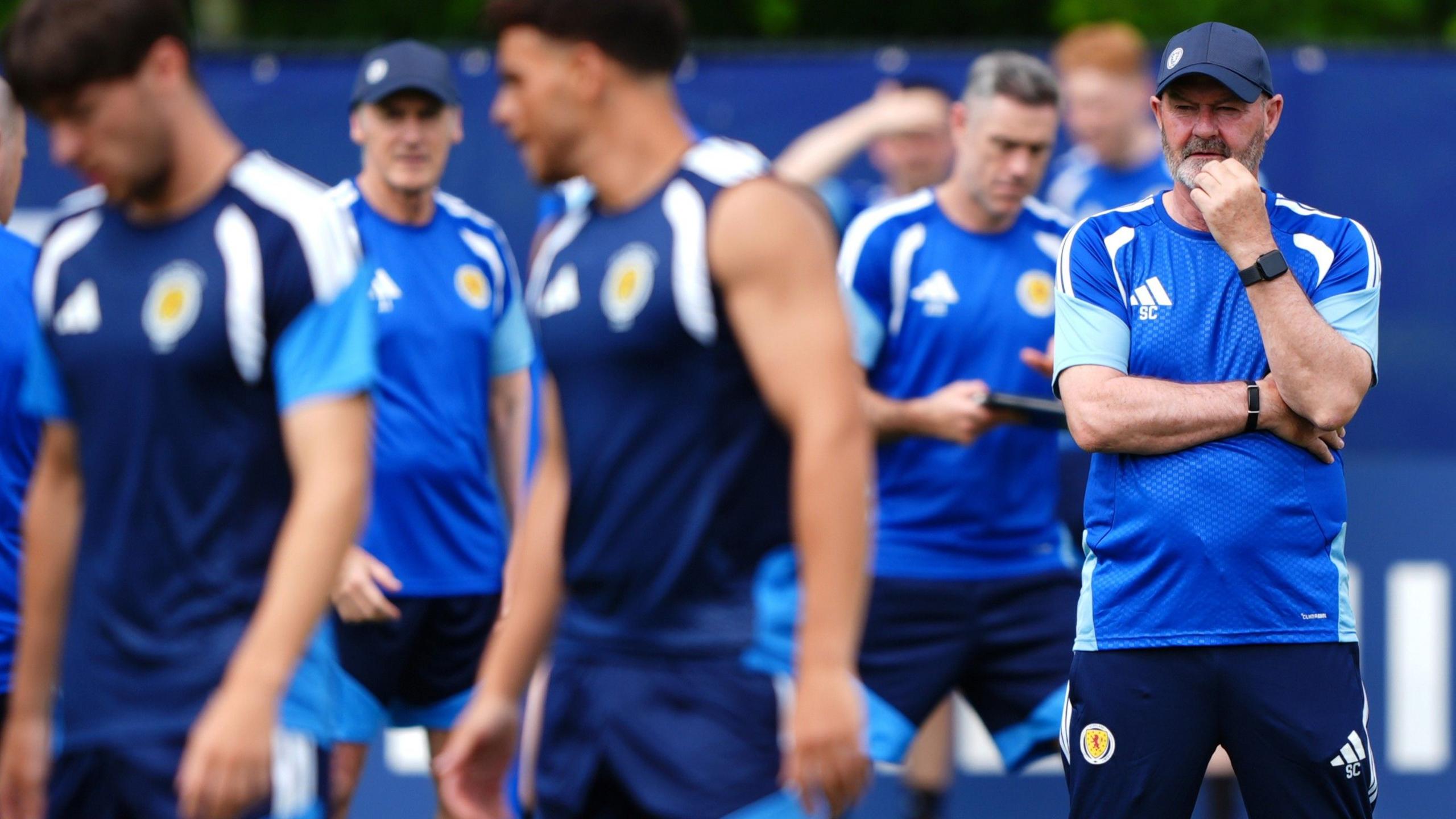
After 28 years of longing, Scotland's manager Steve Clarke is preparing to deliver a speech that generations of Scottish football managers could only dream of making. For nearly three decades—more than 10,000 days—the national team watched from home as the World Cup came and went without them. Now, in Charlotte, North Carolina, that drought ends. Scotland faces Haiti in a group-stage opener that marks the nation's return to football's biggest stage after missing six consecutive World Cups.
This moment carries weight far beyond the pitch. For the supporters known as the Tartan Army, the wait had begun to feel mythical, as if days like these might never arrive again. Clarke, a manager known for keeping his emotions carefully controlled, will address players who understand precisely what they're playing for—a privilege that has eluded some of Scotland's greatest legends. Players like John Greig, Tommy Gemmell, and Billy McNeill never got this far. Neither did Bobby Murdoch, Jim Baxter, or Jimmy Johnstone, who made a squad but never actually played. From more recent decades, James McFadden, Scott Brown, and Kenny Miller all missed out on World Cup football, sometimes narrowly, sometimes overwhelmingly.
Clarke's squad has been relaxed but focused in the days leading up to kick-off, a marked shift from the atmosphere that surrounded Scotland's ill-fated European Championship campaign two years ago. The manager has made clear he intends to learn from those disappointments—six games across two Euros tournaments yielded just three goals and no wins. This time, the mantra is simple: give it a rattle. Captain Andy Robertson made this clear on Friday. If Scotland are to exit the group stage, as every one of their seven World Cup predecessors have done, they will do so knowing they fought for every moment.
The path to America carried its own strange magic. Scotland survived qualifying performances they themselves described as "jobby," a term midfielder John McGinn deployed after unconvincing home wins against Belarus and Greece. A loss in Greece in November seemed potentially fatal, but fate intervened in Copenhagen when Belarus, under relentless siege, somehow drew 2-2 with Denmark. This kept Scotland alive for one final night at Hampden in November—a night that electrified the nation.
The Denmark victory was otherworldly. Scott McTominay opened with an overhead kick. Lewis Ferguson's corner was destined for the net before Lawrence Shankland helped it along. Kieran Tierney curled in a stunning third. Kenny McLean added a fourth from nearly the halfway line. It was perfect, a performance that deepened the bond already running through this squad. These players form what one observer called a club side in national team colours—a band of brothers genuinely close to one another, each having the other's back.
All the analysis is complete now. The strategy for handling Charlotte's heat and humidity is locked in. Clarke's men don't need reminding of what they're playing for. They are the chosen ones—the lucky ones—about to do what legends of Scottish football never could. Forward is a happy place now, at least for this week in America.