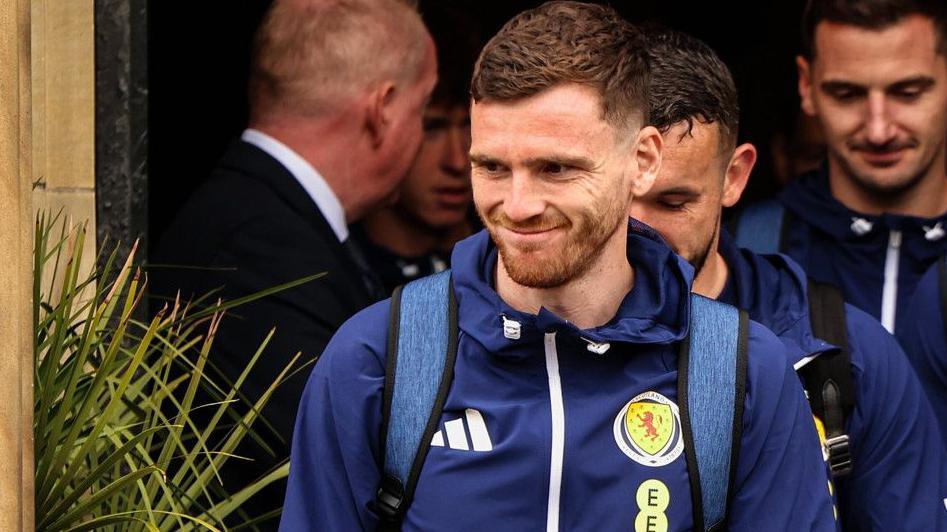
From Glasgow Airport on Sunday morning, Scotland's 26-player squad boarded their flight to Florida with a weight of history lifting from their shoulders—and the weight of a nation's hopes settling firmly on them. For the first time in a quarter century, a Scottish football team is heading to the World Cup, and this group knows exactly what they want to accomplish: something no Scottish side has ever managed before.
The last time Scotland qualified for the World Cup was 1998, a quarter-century ago. This squad, under head coach Steve Clarke, carries with them the experience of three consecutive tournaments—but none have ended the way they dream this one will. "This is the third tournament this group has been at and we want to be the first Scottish team to get to the knockout stage," Clarke said at Glasgow Airport, his voice steady with both ambition and realism. The coach has instilled a clear identity in this team, and their objective is no longer simply to show up—it's to make history.
The journey to Florida marks a turning point in Scottish football. Clarke, who has been building this squad methodically through qualifying rounds and European Championships, believes the group has learned enough to compete at the World Cup's highest level. "Hopefully we can show a bit of tournament experience and make it a summer to remember," he said, and there's no bravado in those words—just the confidence of a manager who has seen his team grow.
Last-minute circumstances tested the squad's resilience even before they departed. Billy Gilmour, the Napoli midfielder, suffered an injury during Saturday's friendly match against Curacao, forcing him out of the tournament entirely. The loss stung. Tyler Fletcher, Manchester United's 19-year-old prospect, was called in as his replacement, bringing youthful energy to an otherwise seasoned group. "Everybody is devastated for Billy," Clarke said, his sympathy genuine. "It's heartbreaking when it happens at any time during a campaign, but for it to happen in the send-off game is particularly tough." It's the kind of setback that could unsettle a team, but Scotland will carry on.
Now in Florida, the squad will put the finishing touches on their preparation, sharpening their tactics and mental edge in the warm climate before the tournament begins. They arrive not as underdogs quietly hoping to survive the group stage, but as a group with a clear, stated ambition: to reach the knockout rounds and rewrite Scottish football's World Cup narrative. Whether they succeed will depend on performance under pressure, on the resilience Clarke has cultivated, and on whether a young player like Fletcher can step seamlessly into a role created by misfortune. But the fact that Scotland is even here, that they're even dreaming this dream, is itself a victory 25 years in the making.