On the evening of June 10th, if you step outside just after sunset and look toward the western sky, you'll witness something that hasn't happened in years: Venus and Jupiter, the two brightest planets as seen from Earth, will appear to sit practically touching one another in a celestial embrace that makes the cosmos feel intimate and knowable.
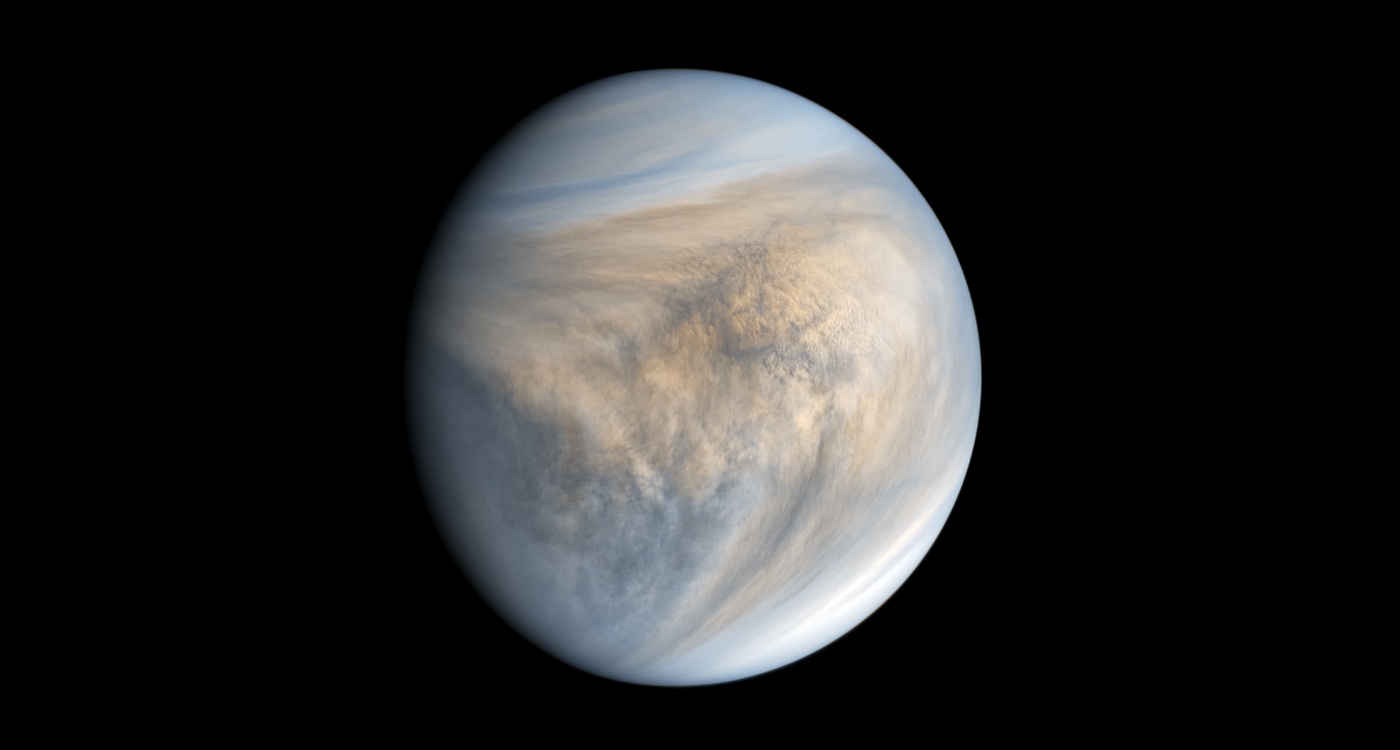
This month brings one of the sky's most graceful planetary alignments, a conjunction that builds across the first half of June and reaches its crescendo around mid-month. Venus, that blazing hot world near enough to Earth to shine with unmistakable brilliance, and Jupiter, a gas giant so enormous it could swallow Earth thousands of times over, will dance across the western horizon in a display that requires nothing more than eyes and an open sky. Mercury, smaller and closer to the sun's glare, completes the trio, sitting lower near the horizon like the final brush stroke on a painted line.
The show begins on June 7th, when Venus and Jupiter will first appear positioned beside one another to anyone looking west-northwest after dark. Over the following nights, Venus will drift gradually in a northwesterly direction, and by the 10th the two planets will seem nearly to touch, their combined light creating a moment of wonder that's visible to the naked eye from anywhere the clouds allow.
But the real perfection arrives on June 16th, when the three planets arrange themselves into an almost flawless straight line drawn from northwest to southeast across the western sky. On that same night, something even more remarkable unfolds: a waxing crescent Moon will slip into the arrangement, positioning itself between Jupiter and Mercury approximately 35 minutes after sunset—creating what amounts to a nearly perfect four-body alignment that stretches across the evening sky.
The choreography continues on June 17th, when the Moon will have shifted position to sit just above and to the left of Venus, rearranging these four bright objects into an even more perfectly linear formation. The whole sequence—from the initial pairing of Venus and Jupiter through the Moon's joining performance—offers something vanishingly rare in human experience: a moment when the major players of our solar system seem to pause and line up for inspection, as if inviting us to understand our place within them.
What makes this event especially democratic is that in the Southern Hemisphere, the timing and details remain virtually identical; only the orientation reverses, with the line drawn northeast to southwest instead. Whether you're watching from a rooftop in Melbourne or a backyard in Minnesota, the universe is offering the same gift.
For anyone wondering whether they need a telescope or expensive equipment, the answer is no. This is an invitation to step outside into the late-spring night air, to feel the warmth of the day still lingering and hear the frogs and crickets singing their renewal songs, while overhead the solar system arranges itself in a pattern that connects us all to the larger cosmos. It's a superb introduction to our planetary neighbors and a reminder that wonder doesn't require technology—just a clear evening and the willingness to look up.