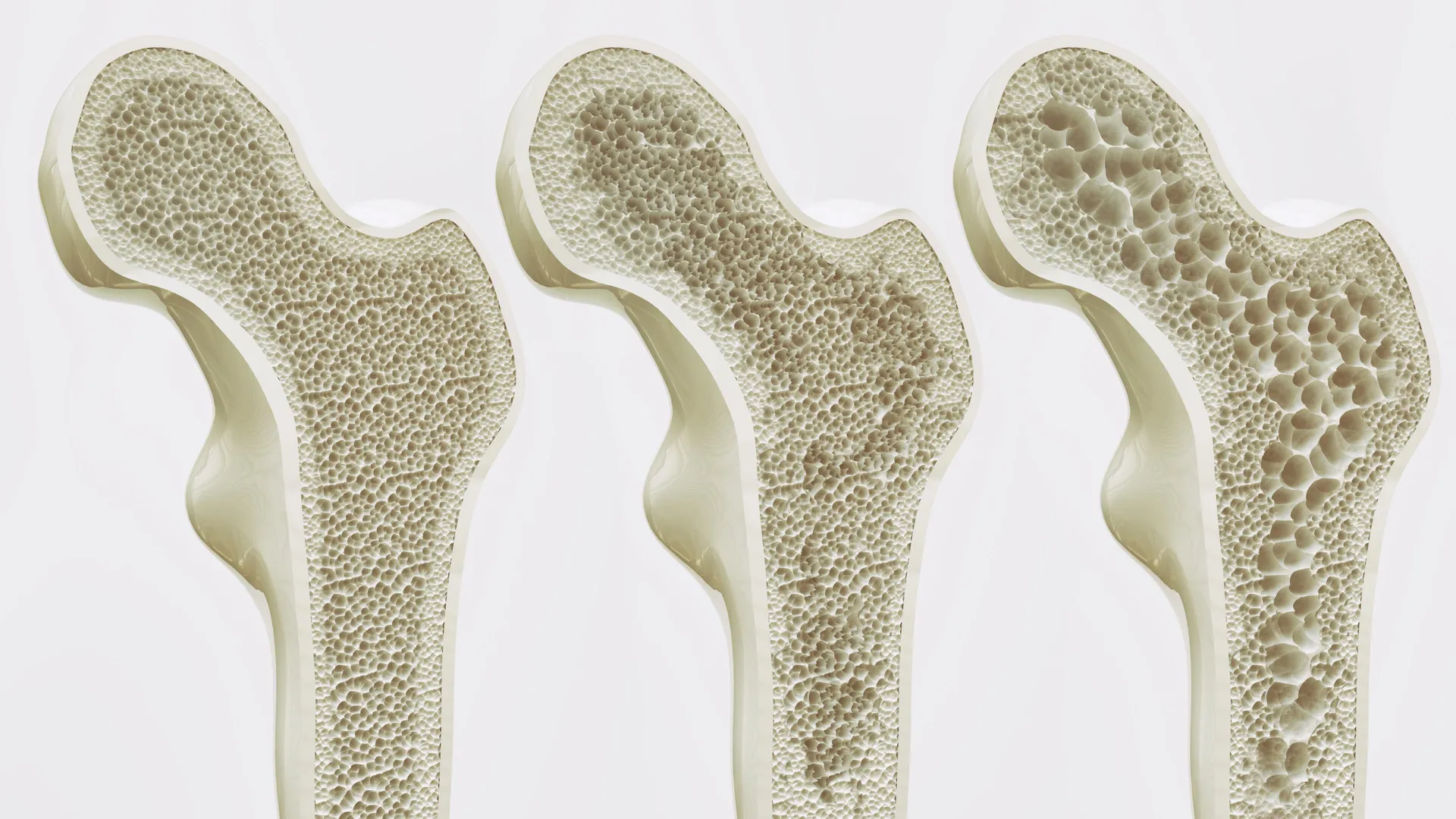
When Dr. Jairo Noreña reviewed the health records of more than 59,000 patients across the United States, he wasn’t searching for a breakthrough in bone health—he was trying to understand how powerful weight-loss drugs affect people with type 2 diabetes. What he found surprised him: those taking semaglutide, a medication known for driving significant weight loss, were actually 15% less likely to suffer a bone fracture than those on other anti-obesity treatments. The discovery, presented at ENDO 2026 in Chicago, challenges long-standing concerns that rapid weight reduction might weaken bones.
For years, doctors have weighed the benefits of GLP-1 receptor agonists like semaglutide—marketed as Ozempic, Wegovy, and Rybelsus—against potential risks. While these drugs have revolutionized the treatment of obesity and type 2 diabetes, earlier studies suggested that swift weight loss could lead to reduced bone density and a higher risk of fractures, especially in older adults. But this new analysis of real-world data offers a reassuring counterpoint. Despite achieving greater reductions in body mass index (BMI), patients on semaglutide experienced not only improved metabolic outcomes but also stronger skeletal resilience compared to those using dulaglutide, phentermine/topiramate, or bupropion/naltrexone.
The study, led by Noreña during his fellowship at Stanford University Medical Center, drew from the Atropos Health Eos database, which aggregates electronic health records from 161 million patients across U.S. community and academic medical centers between 2016 and 2023. The team focused on 26,324 semaglutide users and matched them with 33,555 patients on alternative therapies, all adults with type 2 diabetes, no prior fractures, and no history of osteoporosis treatment. Over the observation period, 794 fractures occurred in the semaglutide group versus 1,045 in the comparison cohort—translating to a statistically significant 15% lower risk.
This finding could reshape how clinicians approach weight management in diabetic patients, many of whom already face elevated risks for falls and fractures. "Bone fractures are painful, expensive and can seriously affect quality of life -- especially as people get older," Noreña said. His team’s work doesn’t prove causation, but it opens the door to further research into whether semaglutide has a protective effect on bone metabolism beyond its impact on weight.
As GLP-1 medications become more widely prescribed, understanding their full spectrum of effects is crucial. This study suggests that one of the most popular drugs on the market may offer a rare win-win: substantial weight loss without compromising bone integrity. With over 2 million prescriptions written monthly in the U.S. alone, the implications are vast. Future prospective trials will help confirm these findings, but for now, patients and doctors have a new reason to feel optimistic about the long-term benefits of semaglutide.