In Cape Town's kelp forests, a sea change is quietly unfolding—and it has nothing to do with tides. Tourists arriving with their snorkels now expect to find octopuses dancing between the fronds, thanks to a documentary film that transformed a single animal into a global icon of wonder. Meanwhile, down the coast, white sharks have vanished from beaches where they once ruled, prompting swimmers to claim False Bay for long-distance crossings they would have never dared before. These are not separate stories. They reveal something fundamental about wildlife conservation that scientists have only recently begun to understand: the relationships between people and animals are not fixed. They shift, reshape, and sometimes transform entirely based on what wildlife does, what people think, what people do, and the rules people create.
For most of modern conservation history, wildlife and humans were treated as separate worlds. Animals needed protection from people, or people needed protection from animals. But over the past three decades, this rigid approach has given way to something more nuanced. In southern Africa and around the globe, researchers are discovering that understanding how and why these relationships change is the real key to coexistence.
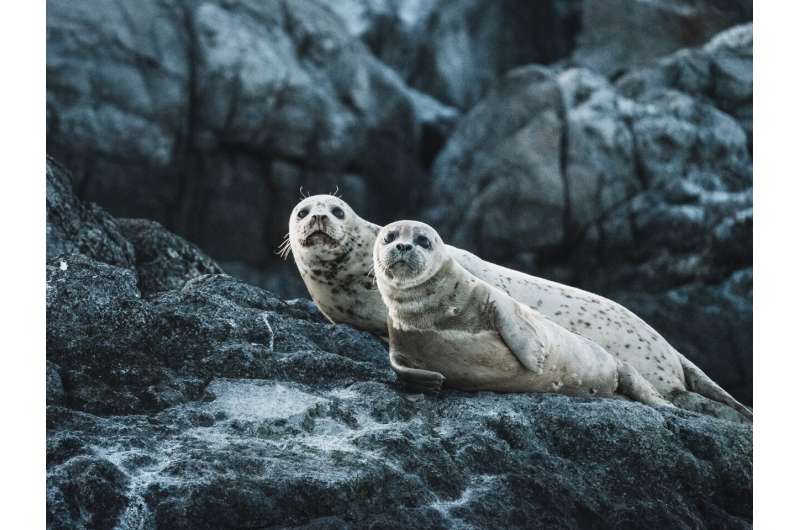
A conservation scientist studying nine cases from rural southern Africa and Cape Town's coastal waters identified four interconnected drivers of change. The first is wildlife behavior itself. When killer whales began hunting white sharks off Cape Town, the great whites fled—a loss for shark-watching businesses but a gain for nervous swimmers. When rabies spread among Cape fur seals, the animals' behavior shifted, fear spread among humans, and snorkeling tours ground to a halt. Disease and predation became architects of human emotion and economic consequence.
The second driver is how people think. A documentary called "My Octopus Teacher" reached millions of viewers with a story of curiosity and connection. In response, Cape Town's tour operators rushed to offer kelp forest experiences. The film didn't change the octopus; it changed how thousands of people valued that creature. Similarly, when an American hunter shot Cecil the lion in Zimbabwe in 2015, global outrage erupted across social media and news platforms. What began as a single hunting incident became a worldwide symbol of conservation ethics, sparking policy debates and tourism boycotts from continents away.
The third driver is human behavior—how we move through landscapes, drive roads, hike trails, and hunt. During COVID-19 lockdowns, animals moved into human spaces as people retreated indoors. Cougars crept closer to Vancouver; wildlife in India became more active during daylight hours. In South Africa, a surge in rhino poaching nearly two decades ago prompted authorities to militarize protection efforts in Kruger National Park, fundamentally changing how conservation was practiced and perceived.
The fourth driver is governance—the rules societies create. These four forces do not act in isolation. They feed into each other, each one amplifying or dampening the others, creating a complex web that shapes whether people and wildlife can share space peacefully.
This framework matters because it shows that conservation cannot be one-size-fits-all. A solution designed for a community fearing baboons in suburban Cape Town will not work for rural hunters whose livelihoods depend on wildlife. A policy that protects seals during disease outbreaks must account for tour operators losing income. Real coexistence requires seeing the whole picture: the animals, the people, what they do, what they think, and the systems governing them all.