For the first time, archaeologists have found the actual ships that carried the legendary pirates of the Caribbean—and this discovery is rewriting what we thought we knew about their forgotten harbors.
Between the 1690s and 1720s, Nassau on the island of New Providence became the pirate capital of the world. Blackbeard, Benjamin Hornigold, Calico Jack Rackham, and Anne Bonny all operated from this lawless port, where attacks were planned, plunder was divided, and around 1,000 sea dogs made their home. Yet until now, not a single verified pirate ship from that era had ever been found in their own waters—a gap in history that seemed impossible to fill.
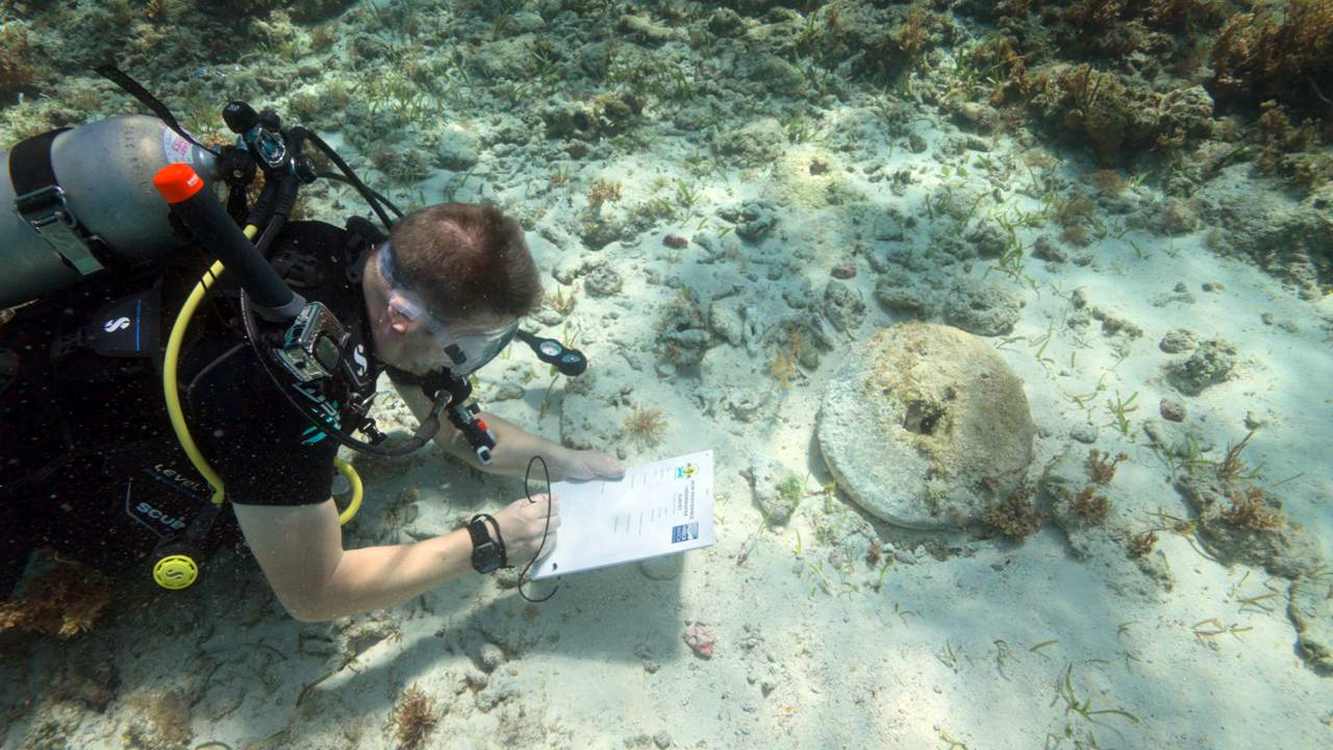
That changed when the New Providence Pirates Expedition and Wreckwatch TV received the first-ever permission to dive in Nassau harbor's restricted zone. Working in treacherous conditions—dangerous currents twice daily, notorious shark populations, and the sheer scale of the harbor—the team discovered six shipwrecks. Three of them belonged to the Golden Age of Piracy itself.
The first major find was spectacular. Twenty-one miles east of Nassau, divers uncovered a heavily armed vessel bristling with swivel guns—the anti-personnel cannons of choice for pirates, designed to rake devastating fire across enemy decks. The wreck lay in crystal-clear visibility, revealing iron cannons, lead musket balls, and a grinding stone for sharpening swords. The detail mattered: every artifact spoke to a ship built for violence and plunder.
But inside the harbor itself, the team found something even more evocative. A charred wooden hull still lay pinned down by its stone ballast, its planks and frames connected by wooden treenails in the 18th-century shipbuilding style. The charring told a crucial story. After seizing a ship and stripping its cargo and cannons, pirates had a problem: evidence. Burning vessels to the waterline was their infamous tactic to hide their crimes from authorities. This blackened hull bore all the hallmarks of pirate mischief—deliberate destruction to erase a felony.
The third discovery emerged from a tip-off about an 18th-century wreck beneath Nassau's old bridge, supposedly destroyed by a modern marina and pipeline construction. The team expected nothing. Instead, they found hull planks, rigging, glass bottles, and bricks from the ship's galley still miraculously preserved. Dozens of clay tobacco pipes lay scattered in the sand next to splintered wooden shipping crates. These pipes were decorated with a unicorn, horse, crown, and the royal crest of England—cargo made in London around 1740, suggesting this ship arrived just after the pirate menace had been crushed.
This last wreck tells a different story: a port city rebounding from anarchy. The wine bottles and fancy smoking pipes reveal Nassau transforming back into legitimate trade, bouncing back from years of pirate chaos. The survival of this ship itself felt like a miracle—smashed by urban construction, yet somehow still whispering its history.
Understanding why piracy flourished matters too. The 1710s brought poverty to working sailors. The Royal Navy had cut its staff by more than half, offering terrible food, brutal punishment, and low wages. Piracy, by contrast, promised up to 1,000% more income than merchant vessels. For those sailors, it was more than crime—it was escape. "It might have been a short life," says project co-director Dr. Michael Pateman, "but for a brief period of mayhem, sailors found freedom and wealth unmatched anywhere on earth."
These wrecks will premiere in a documentary series on Wreckwatch TV beginning June 4th, 2026, restoring the real voices and the real vessels of history's most storied pirates.