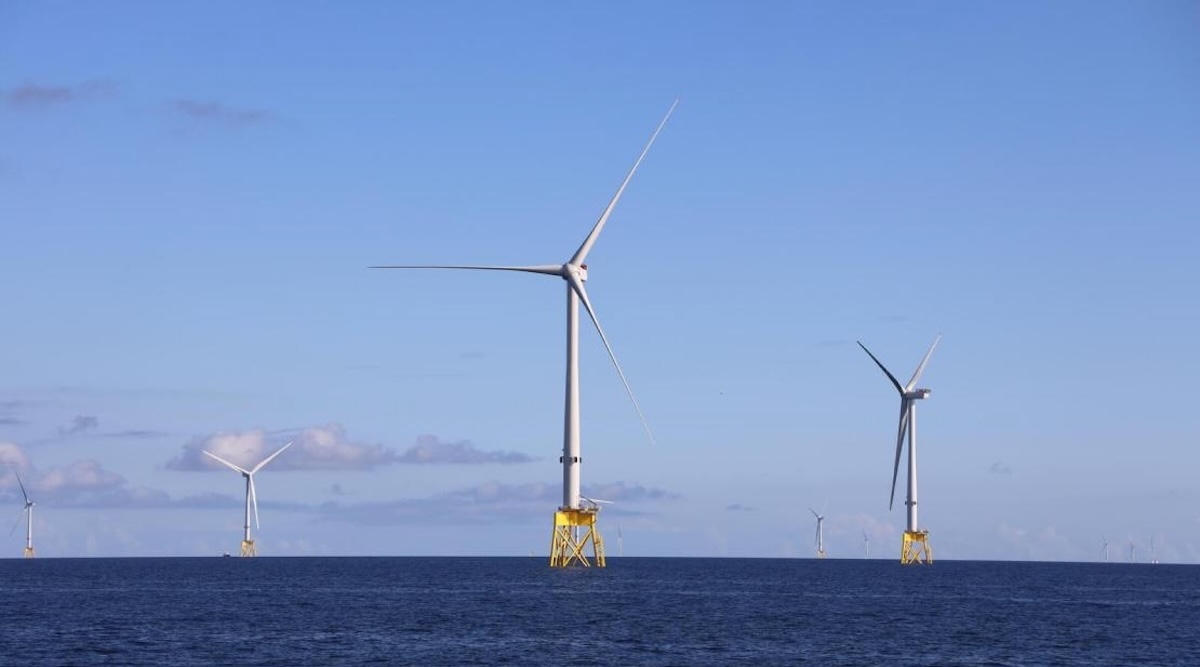
Seven Northeast states just filed suit against the Trump administration, challenging a $1 billion buyout that effectively killed offshore wind development off their coasts and handed TotalEnergies a path back to fossil fuels. New York, New Jersey, Connecticut, Maine, Massachusetts, Rhode Island, and Vermont are fighting what they argue is an illegal move—one that prioritizes fossil fuel interests over the clean energy future their regions have been building.
The buyout itself is striking in its scale and consequences. The Department of the Interior paid TotalEnergies $1 billion to exit its offshore wind leases in U.S. waters. In return, the French energy company pivoted sharply away from American clean energy and doubled down on liquefied natural gas (LNG) exports in the Gulf. For these Northeast states, it felt like watching a major climate solution evaporate while their tax dollars funded the pivot.
What makes this dispute matter extends far beyond headlines. Offshore wind has become a genuine economic engine across the Northeast—not just a climate policy. These projects create family-sustaining jobs, anchor supply-chain investments worth billions, and strengthen regional electrical grids at a time when energy demand is rising. When TotalEnergies abandons its leases, those economic opportunities disappear along with the clean energy itself.
Nancy Pyne, Senior Advisor at the Sierra Club, called the administration's move "yet another politically motivated and illegal attack on clean and affordable energy, family-sustaining jobs, and billions of dollars in supply-chain and infrastructure investment." She emphasized what offshore wind actually delivers: lower energy costs and a more resilient grid—exactly what families struggling with utility bills need. The Sierra Club, which represents millions of members and supporters, framed the buyout as a backroom deal that treats clean energy as expendable and the fossil fuel industry as worth rescuing.
The legal argument matters here. The states aren't simply voicing opposition; they're claiming the administration violated law. The Sierra Club underscored this point: "The law is on their side, and so is the American public." That confidence in their legal footing reflects how these states view the case—not as a partisan dispute, but as a defense of policies already working and already supported by voters.
The timing underscores the stakes. Offshore wind has already proven its worth in the Northeast. The region leads the nation in development and deployment, with concrete examples of how these farms deliver jobs and economic growth. Losing TotalEnergies' leases represents not just a setback but a reversal—a bet that fossil fuels merit government subsidy while renewables do not.
What happens next will shape whether the Northeast can sustain its clean energy momentum or whether buyouts like this one become a tool to unwind environmental progress. The lawsuit signals these states won't accept that outcome without a fight. They're banking on the law, public support, and the demonstrated value of offshore wind to prevail where negotiation failed. For regions that have invested in both climate solutions and the jobs they create, that's a bet worth making.