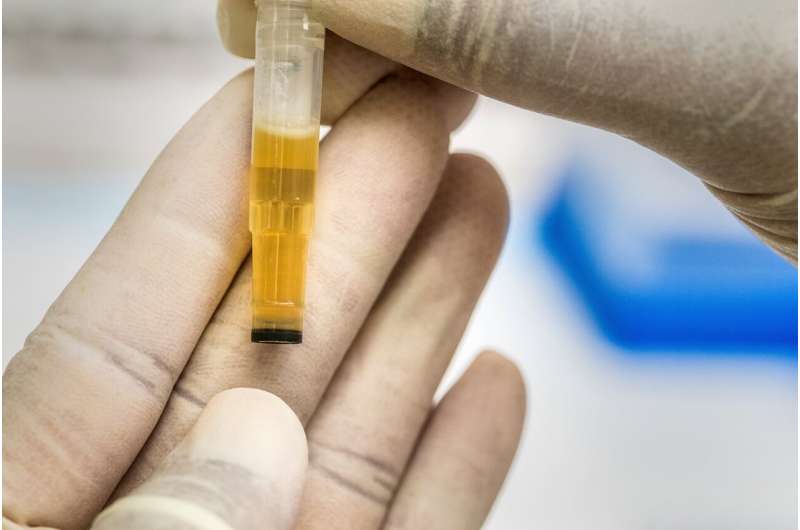
A simple urine test may be the key to choosing the right diabetes medication — one that protects your kidneys instead of quietly harming them. That's the message from a sweeping new study led by researchers at Mass General Brigham in Boston, which pored over the medical records of 75,455 people with type 2 diabetes across the United States.
Type 2 diabetes is a major cause of chronic kidney disease, so preventing kidney failure has become a central part of treatment. Newer diabetes drugs, known as GLP-1s and SGLT2 inhibitors, have been shown to lower kidney risk in past studies. But those studies mostly included patients who already showed signs of kidney damage, leaving doctors unsure whether the benefits applied to everyone else.
The new research, published in the BMJ, helps clear that up — and the answer depends on what shows up in a urine sample. The team compared patients taking GLP-1s and SGLT2 inhibitors against those on older drugs called sulfonylureas and DPP4 inhibitors, following patients for up to five years. Around 13,872 of the 75,455 patients had protein in their urine before treatment began — a telltale sign of kidney strain.
Among those patients, the newer medications were linked to substantially better kidney outcomes than the older DPP4 drugs. But here's the twist: for patients whose urine showed no protein, GLP-1s and SGLT2 inhibitors offered little kidney benefit. Even more striking, patients without protein in their urine who were given sulfonylureas — an older, widely used class of diabetes medicine — saw their kidney function decline faster.
"This study shows that we need to tailor diabetes treatment to the individual patient instead of using a one-size-fits-all approach," said corresponding author Dr. Alexander Turchin of the Mass General Brigham Department of Medicine. "A simple urine test could help doctors assess whether a patient may receive kidney protection from GLP-1 receptor agonists or SGLT2 inhibitors and whether sulfonylureas could pose additional risk."
The findings matter because millions of people with type 2 diabetes never show protein in their urine, yet still face kidney risk. The researchers say more work is needed to identify treatments that protect this large, lower-risk group. All the patients in the study had moderate cardiovascular risk and were taking metformin as their main diabetes medication.
For now, the takeaway is hopeful and practical: the right drug for one person may not be the right drug for another. "These findings will allow us to individualize medication choices that maximally benefit the patient in front of us rather than for the hypothetical 'average person,'" Turchin said. A routine urine test, paired with a conversation between patient and doctor about the risks and benefits, could turn a guess into a far more precise choice.