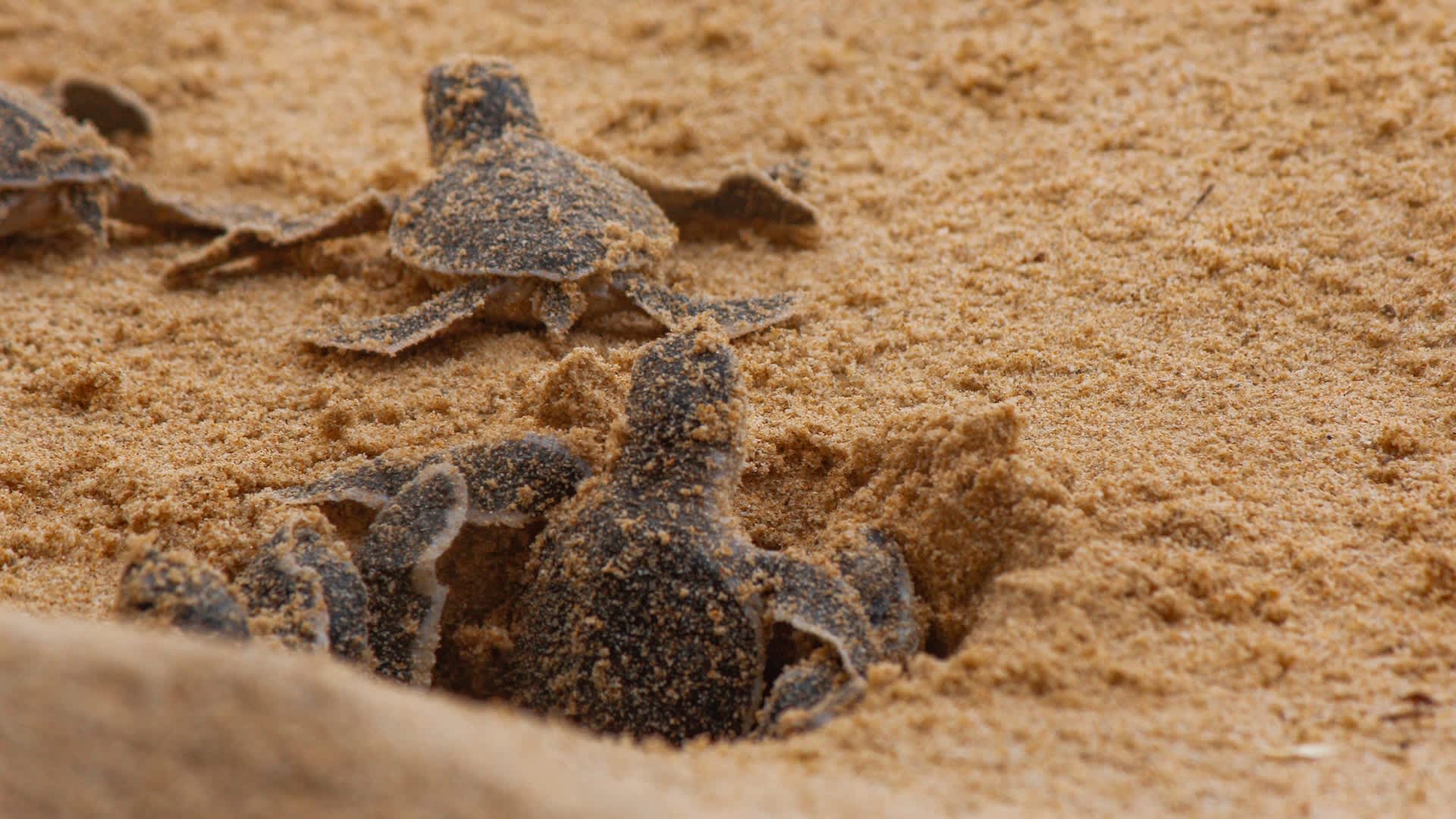
On a quiet stretch of Sanibel Island one June morning, conservationist Maria Rodriguez knelt beside a crescent-shaped depression in the sand—another loggerhead turtle nest, the 342nd found across Sanibel and Captiva in just six weeks. That number, reported by WGCU, is already far ahead of last year’s pace, when only 264 nests were recorded by the same point in the season. The overwhelming majority of these are loggerhead nests, with just two from green turtles, a testament to the resilience of a species that has long called Florida’s Gulf Coast home.
This surge in nesting activity is more than just a local triumph—it’s a sign of broader ecological recovery. Sea turtles help maintain healthy seagrass beds and coral reefs, shaping marine ecosystems in ways that ripple through the food web. Their presence signals balance, and their return suggests that conservation efforts—from beach lighting restrictions to nest protection programs—are making a difference. But a new challenge looms on the horizon, one that could undo progress if left unchecked.
Sargassum seaweed, a free-floating brown algae, is amassing in unprecedented quantities offshore. By the end of May, the Gulf was already carrying nearly 33 tons of the stuff, according to the University of South Florida’s Optical Oceanography Lab, which warns that 2026 could set a record for sargassum influx. While the seaweed plays a beneficial role in open-ocean habitats, too much of it on nesting beaches creates real problems. David Godfrey, executive director of the Sea Turtle Conservancy in Gainesville, puts it plainly: when thick mats of sargassum pile up on shore, they can deter female turtles from crawling ashore to nest—and prove deadly for hatchlings scrambling toward the sea.
Yet even as this threat grows, local teams remain vigilant. The Collier County Sea Turtle Protection Team has documented 837 nests across more than 22 miles of beachfront, while Sarasota County’s monitoring labs counted 531 nests as of June 6. These numbers aren’t just statistics—they’re lifelines, each representing dozens of hatchlings with a fighting chance. Volunteers patrol beaches at dawn, mark nests with stakes and tape, and monitor for false crawls or signs of predators. Now, they’re also tracking sargassum accumulation, adjusting strategies in real time.
The story unfolding on these islands is one of quiet determination—of turtles returning to shores they’ve nested on for generations, and of people working just as steadily to ensure those shores remain passable. As the season stretches into summer, the balance between hope and hazard will hang in the tides. But for now, the nests keep appearing, one after another, small promises written in the sand.