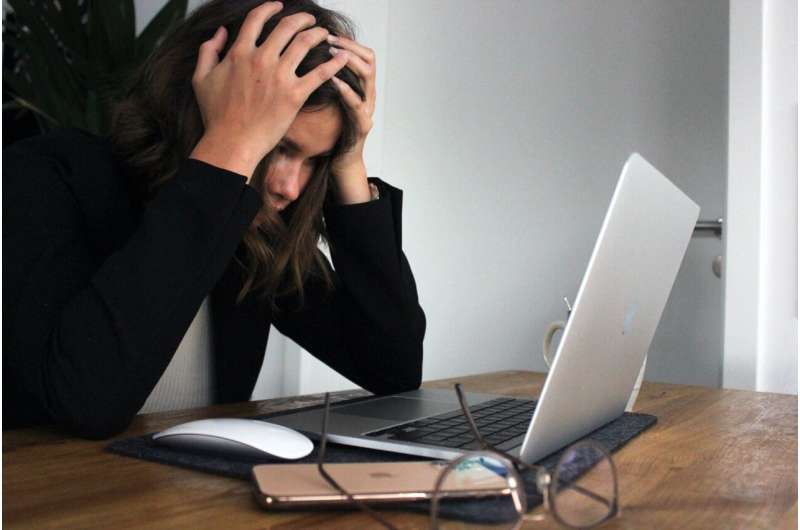
A decade of Canadian workplace data has upended the familiar wellness playbook. Researchers studying 2,871 workers over 10 years discovered that not all healthy habits shield us equally from the grinding toll of work stress—and some classic advice falls flat entirely.
The findings matter because work stress is relentless for millions. It arrives through overflowing inboxes, unpredictable schedules, after-hours messages, and the creeping sense that the job never truly ends. Over time, this chronic strain has been linked to burnout, depression, anxiety, cardiovascular disease, Type 2 diabetes, and even mortality. The question researchers posed was straightforward: when work conditions stay stressful, what can people actually do outside of work to protect their health?
The answer, it turns out, is surprisingly selective. Sleep quality emerged as the strongest buffer against the health damage caused by work stress. Unlike exercise or diet alone, good sleep functions as something more foundational—it underpins attention, emotional regulation, and the self-control needed to maintain other healthy behaviors in the first place. Nutrition also showed meaningful protective effects, helping sustain the physical and psychological reserves required to cope with sustained workplace strain.
But here's where the research pushes back against conventional wisdom. Exercise, despite its well-documented benefits for overall health, did not significantly weaken the relationship between work stress and deteriorating health. Researchers note this could reflect how exercise was measured in the survey, or it might suggest that while exercise helps health in real ways, those benefits simply aren't stress-specific. Being healthy and being protected from stress, the study found, are not always the same thing.
The alcohol findings proved most surprising and warrant caution. While lower alcohol use was associated with better overall health—as expected—the data revealed an unexpected pattern: people who drank less frequently experienced a stronger link between work stress and poor health than those who drank more. This should not be misread as evidence that drinking protects against stress. People who drank more frequently still reported worse overall health. The pattern likely reflects factors the data couldn't fully capture: existing health conditions, different coping strategies, or complex relationships between alcohol use and wellbeing that resist simple interpretation.
The researchers emphasize a crucial boundary: these findings do not give employers a pass on workplace design. When organizations learn that sleep and nutrition buffer some effects of work stress, the temptation might be to shift responsibility entirely onto workers—to expect employees to "sleep their way out" of impossible workloads or meal-prep their way past unreasonable expectations. That's precisely the wrong conclusion.
The real insight is humbler and more honest. Some forms of self-care may offer more protection than others when work becomes chronically stressful. But wellness interventions, no matter how diligent, cannot compensate for jobs fundamentally structured to exhaust people. Organizations remain responsible for designing workplaces that don't drain their workers in the first place. Individual behavior and organizational accountability aren't competing priorities—they're both essential.