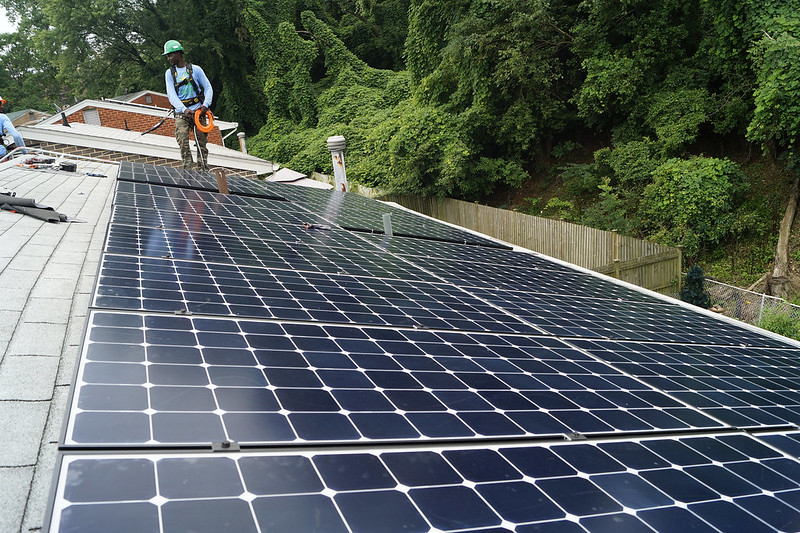
When 17-year-old Jamila Carter walked into her first solar panel installation lab at Paul Robeson High School in North Philadelphia, she didn’t just learn how to wire a photovoltaic system—she began building a future. She’s one of over 300 high school and underemployed young people who’ve entered the solar workforce through the PEA Bright Solar Futures Project, a training initiative now expanding across Philadelphia with support from the U.S. Department of Energy. At a time when clean energy jobs are growing 10 times faster than the national average, this program is proving that with the right training, underserved youth can power both the grid and their own livelihoods.
Solar energy isn’t just about panels on rooftops—it’s about people. According to the 2020 Solar Jobs Census, 74% of all solar industry positions are in installation, project development, and system maintenance. Yet access to these high-demand, high-opportunity careers has long been uneven. The Bright Solar Futures Project, led by the nonprofit Philadelphia Energy Authority (PEA), is changing that by creating a replicable pipeline that connects classroom learning with real-world jobs. Partnering with local schools, community organizations, and solar employers, the program delivers hands-on training in solar design and installation, aligned with the exact skills regional employers need.
The curriculum doesn’t stop at technical know-how. Students earn industry-recognized credentials, including OSHA safety certification and NABCEP entry-level knowledge assessment, giving them a competitive edge in the job market. Since its launch, the program has placed over 85% of its graduates in paid internships or full-time roles with companies like Solar Energy Services and SunPower. One graduate, Marcus Thompson, now earns $24 an hour as a solar technician and plans to start his own installation business. “This wasn’t just a class,” he says. “It was a way out and a way up.”
The success in Philadelphia is part of a broader national effort. The Department of Energy’s Solar Energy Technologies Office (SETO) has funded similar initiatives across the country—from Wisconsin to Illinois to Native American communities in California—each tailored to local needs but united by a common goal: building a diverse, skilled clean energy workforce. These programs are not standalone training courses; they’re career launchpads, designed with employer input and supported by wraparound services like transportation assistance and mentorship.
As the U.S. accelerates toward 100% clean electricity by 2035, the demand for solar technicians is expected to grow by 52% over the next decade. Programs like Bright Solar Futures show that investing in people is just as critical as investing in technology. In Philadelphia, the sun doesn’t just shine on rooftops—it’s igniting opportunity, one young technician at a time.