In the dusty town of Offa, in Kwara State, shop owner Amina Bello used to spend 70,000 naira a month—more than $150—just to keep her diesel generator running. Now, her lights stay on with steady solar power, and her bill has dropped by nearly half. She’s not alone. Across Nigeria, where the national grid fails more than 15 times a week in some areas, solar mini-grids are quietly powering a revolution.
For decades, Nigerian businesses have relied on noisy, polluting generators to survive the country’s unreliable electricity. But that’s changing. Companies like PowerGen are building solar mini-grids that deliver cleaner, cheaper power to towns and villages disconnected from the main grid. These systems, powered by the sun and backed by battery storage, are now serving over 50,000 people in Nigeria, with plans to reach hundreds of thousands more.
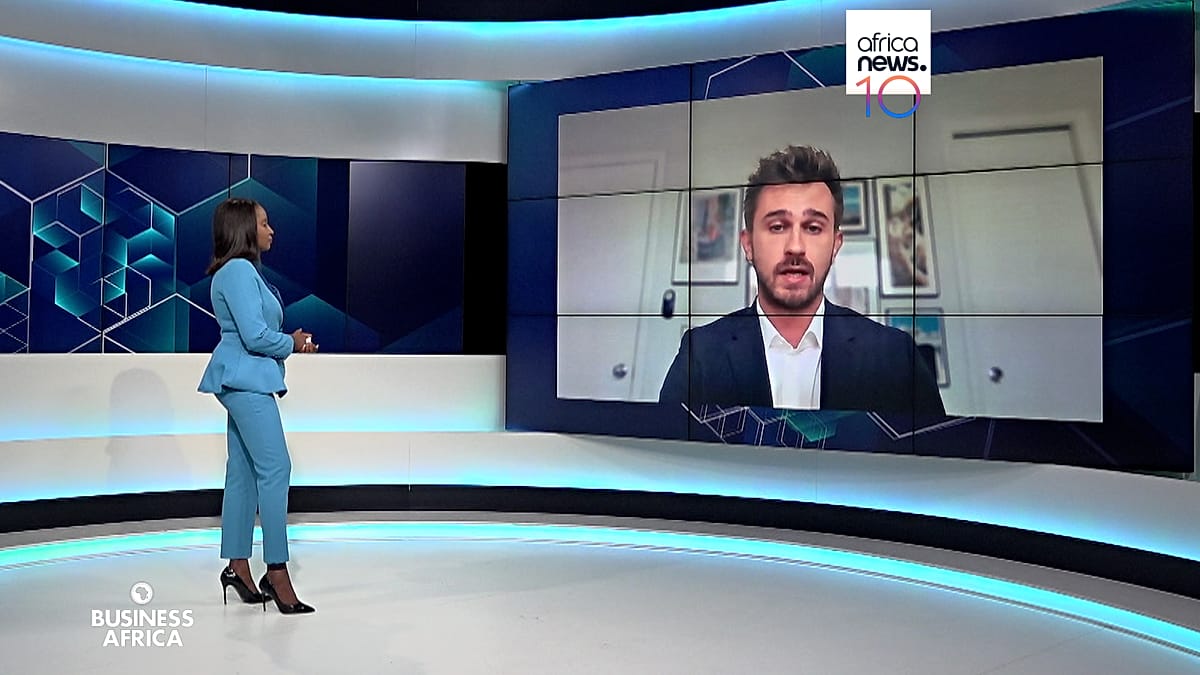
One of the biggest hurdles for solar expansion in Africa has been money—especially the risk that local currencies might lose value, making it harder to pay back loans used to buy solar equipment. But a new financing model developed by Delphos, a clean energy investment firm, is helping PowerGen manage that risk. By structuring loans in a way that accounts for currency swings, the deal protects both investors and customers. Connor Shine, Director at Delphos, says this approach could unlock solar projects across the continent.
The need is enormous. Nigeria, Africa’s most populous country, has more people without reliable electricity than any other nation—over 90 million. But solar mini-grids aren’t just a backup plan. In places like Offa and Olorunsogo, they’re becoming the main source of power, running refrigerators in clinics, charging phones, and keeping small factories humming after dark.
The ripple effects are already visible. With stable power, businesses stay open longer. Students study at night. And communities breathe easier as diesel fumes fade. PowerGen isn’t the only player—similar solar projects are growing in Kenya, Ghana, and the Democratic Republic of Congo—proving that decentralized energy can work where big grids have failed.
This shift isn’t just about technology. It’s about trust, smart finance, and local solutions built for African realities. As solar spreads, it’s not just lighting homes—it’s powering a new kind of energy independence. And for families and entrepreneurs like Amina Bello, that means more than just electricity. It means opportunity.