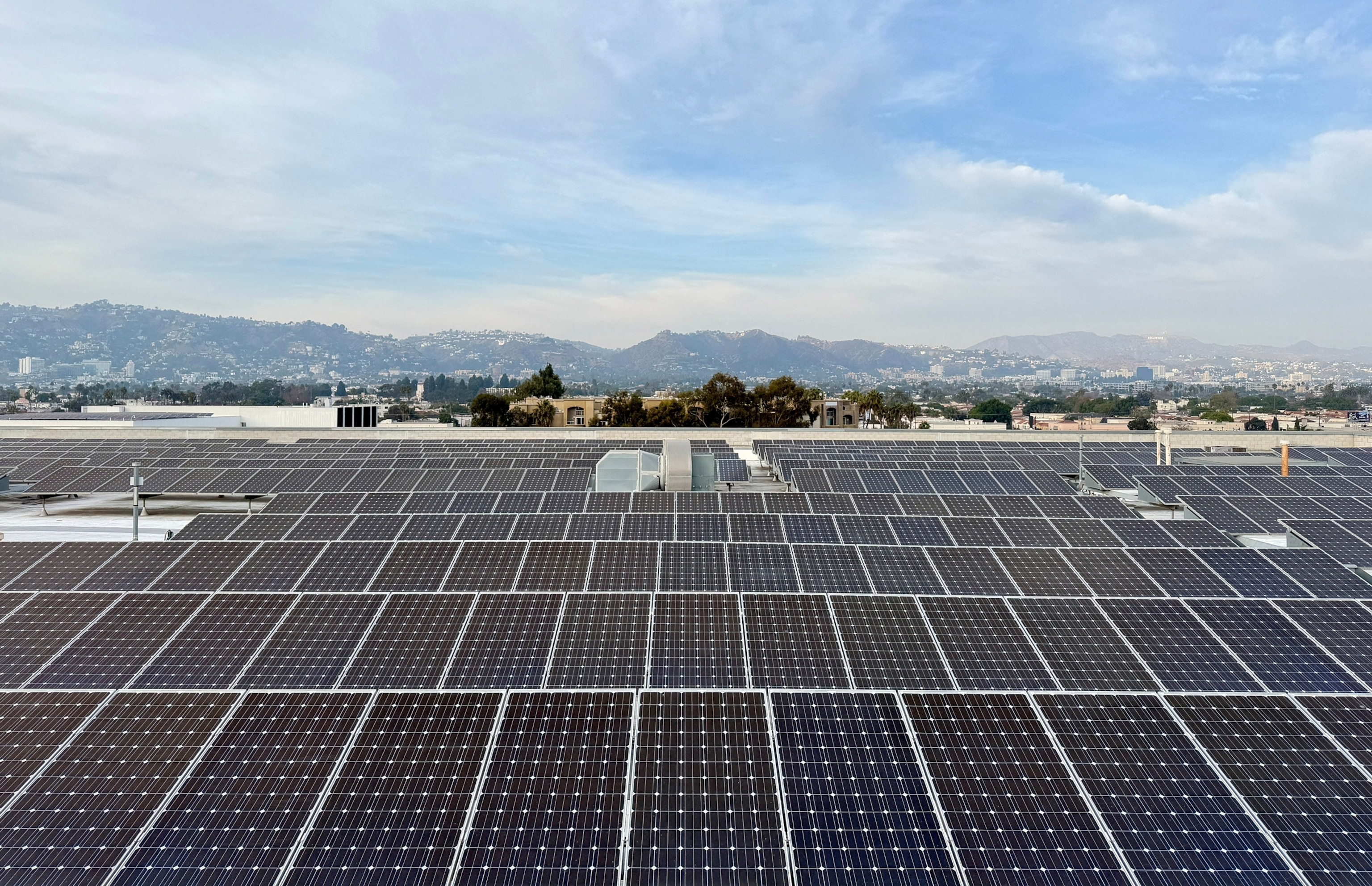
In May 2026, for the first time in U.S. history, the sun powered more of the nation than coal—12.8% of total electricity came from solar, edging past coal’s 12.2%, according to data from energy think tank Ember. This milestone marks a quiet revolution in American energy, one unfolding not in Washington’s corridors of power but across sunbaked deserts, suburban rooftops, and rural farmland. A record 45.5 terawatt-hours of solar energy were generated that month—an 17% jump from May 2025—while coal, despite a slight monthly rebound, remains 11% below its output from the same time last year and has nearly halved its share of the electricity mix since 2021.
The shift is accelerating even as federal policy wavers. In August 2025, the Environmental Protection Agency canceled the $7 billion Solar for All program, a Biden-era initiative designed to bring solar power to low- and middle-income households. Yet the market has not waited. The Solar Energy Industries Association (SEIA) and Wood Mackenzie report that in the first quarter of 2026 alone, the U.S. added 7.8 gigawatts of new solar capacity—enough to power over 1.5 million homes—with more than 6 million solar installations now nationwide. Texas, Florida, and other states that voted for Donald Trump in 2024 accounted for 74% of all new solar capacity, underscoring that the solar surge is not just coastal or political, but geographic and economic.
Solar is now the fastest-growing source of electricity in the country, and its momentum is being driven by demand from unexpected places. Tech companies, racing to power AI and the data centers that run it, are increasingly turning to solar and battery storage for reliable, low-cost energy. In the first quarter of 2026, solar and storage made up 91% of all new electricity capacity built nationwide. “In a world of fluctuating fuel prices, energy buyers have made it clear that they want the security, low cost, and speed of solar and storage,” said Darren Van’t Hof, interim president and CEO of SEIA.
Today, existing U.S. solar capacity can power about 50 million homes—roughly 40% of all households. By 2034, that number is expected to double. Even as the Trump administration allocates over $700 million in federal funds to prop up coal—including reviving shuttered plants and upgrading aging infrastructure—the reality on the ground is clear: coal’s era is receding. No utility-scale coal plant has been built in the last decade, and experts continue to emphasize that coal remains a major emitter of carbon dioxide and other pollutants, directly fueling climate change.
The sun, once a marginal player, now stands as the third-largest source of U.S. electricity. And as June and July—typically the sunniest months—approach, the 45.5 TWh record could fall again. The energy transformation is no longer a promise. It’s already here.