On a sunbaked rooftop in Broken Hill, New South Wales, the panels of Australia’s first commercial solar plant still hum quietly—installed in 2011, the 1 MW Uterne Solar Power Station was once a pioneer. Today, it’s part of a national revolution: Australia now boasts 4.3 million rooftop solar systems, a quiet transformation powered not by distant megaprojects alone, but by homes, schools, and shopping centres turning sunlight into electricity. As of 2025, the country’s total solar capacity has surged to 45.1 gigawatts (GW), with solar generating nearly one-fifth of its electricity—19.6% in 2024, to be exact. This isn’t just progress; it’s a global leadership position forged in sunlight.
Just a decade ago, Australia was considered a laggard in solar adoption. But between 2018 and 2025, the country underwent a clean energy sprint, leaping from under 6 GW to over 45 GW of installed capacity. The shift was driven largely by distributed rooftop systems—residential, commercial, and industrial—which now account for 28.3 GW of the total. By February 2026, more than four in ten Australian homes had solar panels, the highest per capita uptake in the world. In 2018 alone, over 200,000 systems were installed, and the momentum hasn’t slowed. Even regulations have evolved: new inverters must now support grid stability, ensuring solar doesn’t just draw from the system but strengthens it.
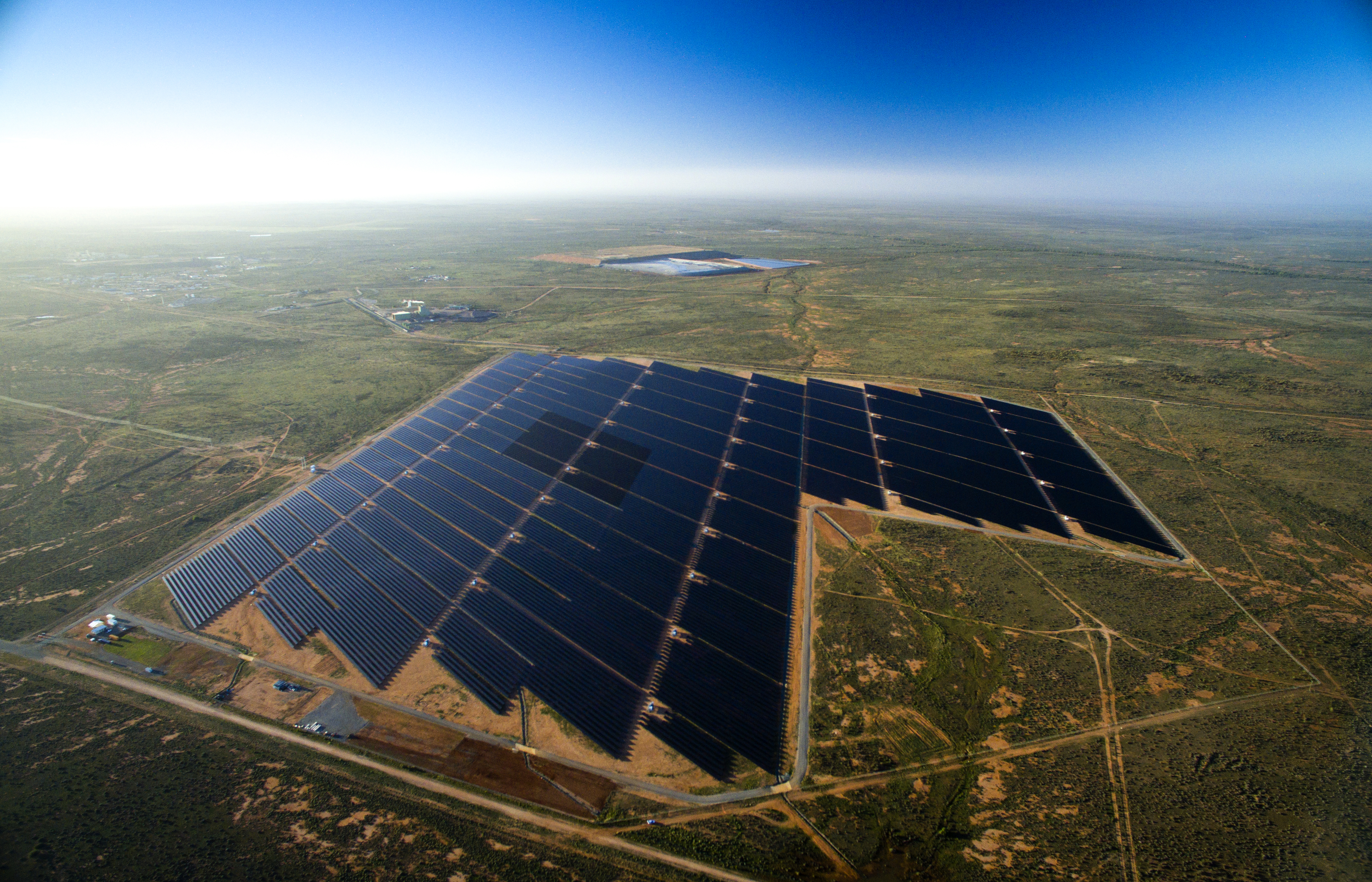
Australia’s natural advantage is undeniable. With vast stretches of arid land and some of the highest solar irradiance on Earth—exceeding 6 kilowatt-hours per square metre per day in the north—the nation’s potential is unmatched. Western and Northern Australia offer ideal conditions for large-scale solar farms, though distance from population centres remains a challenge. Still, utility-scale projects have grown rapidly, with centralized solar capacity rising from just 356 MW in 2015 to over 11 GW by 2023. The Mount Majura Solar Farm near Canberra and solar car parks in commercial centres are no longer novelties—they’re everyday infrastructure.
The impact is measurable not just in megawatts, but in resilience and affordability. By 2013, solar power had already become less than half the cost of grid electricity, making it a practical choice for households. Today, solar generates 46.7 terawatt-hours (TWh) annually—enough to power over 8 million average homes. And with every new panel, Australia inches closer to a future where clean energy isn’t the exception, but the norm. As the world searches for scalable climate solutions, the message from Down Under is clear: when the sun shines, even the most ordinary rooftops can become power stations.