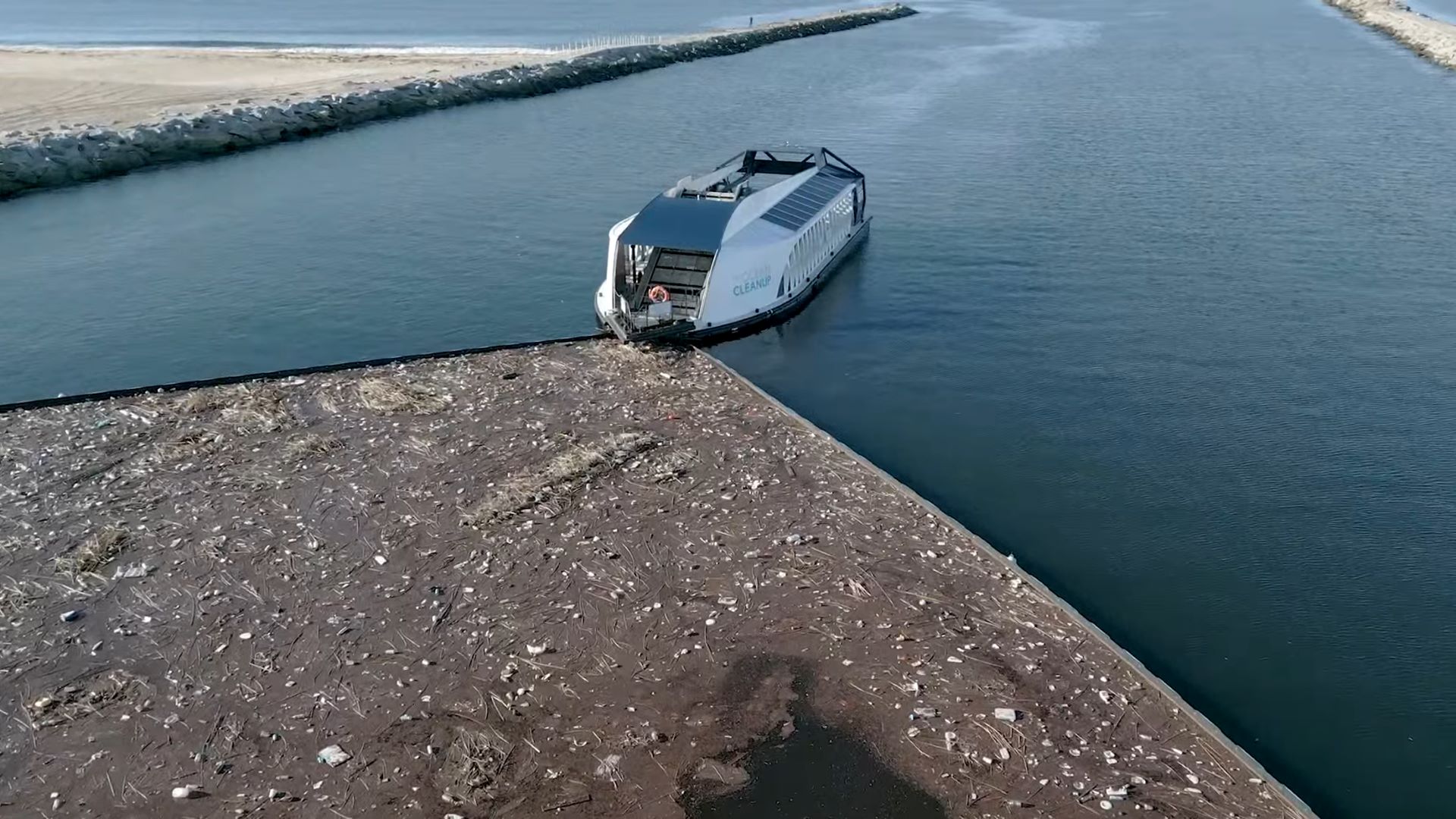
James Patterson stood on the banks of Ballona Creek in early 2025, watching the solar-powered Interceptor quietly pull 65 pounds of trash from the water every hour—no diesel engines, no exhaust, just sunlight and precision engineering doing the work. This unassuming barge, anchored where the creek meets Santa Monica Bay, removed a staggering 143,710 pounds of debris last year alone, proving that stopping pollution upstream can be far more effective than chasing it across the ocean. It’s a shift in strategy that Boyan Slat, founder of The Ocean Cleanup, embraced after realizing the enormity of the Great Pacific Garbage Patch. As a teenager, Slat dreamed of cleaning the open sea. Now, his organization is finding real impact closer to home—by cutting off the flow at its source.
The numbers speak clearly: rivers are responsible for 90% of ocean plastic pollution, and just 1,000 of them contribute to nearly 80% of the total. That’s why intercepting waste before it reaches the coast is not just smart—it’s essential. The Ballona Creek Interceptor, powered entirely by the sun, uses a V-shaped boom to guide floating debris onto a conveyor belt, which lifts it into an automated sorting system. From there, trash is funneled into six onboard dumpsters, each capable of holding tons of waste before collection. The system runs autonomously, adapting to tides and flow, and requires minimal maintenance—making it a model of sustainable engineering.
For nearby communities, the benefits are tangible. Beaches south of the creek now see less debris washing ashore, reducing the need for constant grooming and lowering municipal cleanup costs. Residents walk cleaner paths, children play in safer spaces, and marine life faces fewer threats from entanglement and ingestion. James Patterson, who manages the site, puts it plainly: “We have to turn the faucet off before we can scoop the ocean, or else all we're doing is taking out legacy trash to replace it with new trash.” His words capture the philosophy behind the entire upstream movement—one that prioritizes prevention over reaction.
But this isn’t a one-size-fits-all solution. Each river, each watershed, demands its own design, permitting process, and engineering approach. The success in Los Angeles doesn’t mean replication elsewhere will be simple, but it does prove what’s possible when innovation meets urgency. With more than 65,000 pounds of trash removed every month at this single site, the Ballona Creek Interceptor is more than a machine—it’s a statement. The fight against ocean plastic isn’t just about grand gestures in the open sea. Sometimes, it begins quietly, on a creek in Southern California, where sunlight, science, and persistence are quietly rewriting the future of our waterways.