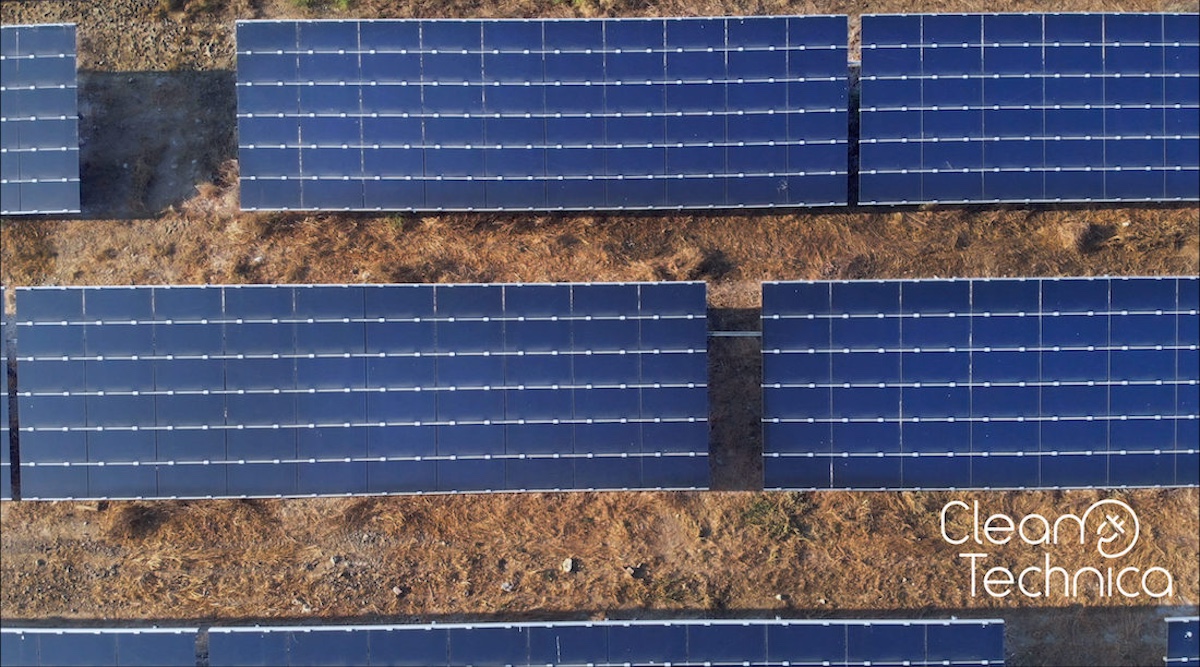
The United States crossed a historic threshold in the first quarter of 2026, surpassing 6 million solar installations nationwide while adding 7.8 gigawatts of new capacity—a reminder that the energy revolution is happening not in headlines but in rooftops, fields, and power agreements across the country. Even as Washington grapples with regulatory uncertainty and shifting tax policies, solar and energy storage have captured an overwhelming 91% of all new grid capacity, leaving every other energy source in their wake.
The numbers tell a striking story about what American energy buyers actually want when given a choice. Utility-scale solar contracts jumped 15% year over year, driven primarily by technology companies racing to secure clean power for AI-driven electricity demand. States won by President Trump in recent elections account for 74% of all solar capacity installed this quarter, with Texas, Florida, Ohio, Indiana, Michigan, Arizona, and Mississippi ranking among the top solar markets. Texas remains dominant, though Ohio has surged into the top three for the first time, alongside notable growth in Michigan, Oregon, and Mississippi.
What makes this momentum remarkable is that it's happening despite headwinds in Washington. A separate analysis by the Solar Energy Industries Association (SEIA) identified 457 solar and storage projects with permits pending that are vulnerable to politically motivated delays or cancellations. Yet the market is moving forward anyway, driven by something more fundamental than policy—energy security. Amid global gas supply disruptions and fuel price volatility, utilities, homeowners, and businesses are choosing solar and storage for their speed of deployment, low cost, and predictability.
"In a world of fluctuating fuel prices, energy buyers have made it clear that they want the security, low cost, and speed of solar and storage," said Darren Van't Hof, interim president and CEO of SEIA. The appetite is real enough that forecasters at Wood Mackenzie revised their industry-wide forecast upward as electricity demand continues to surge. Yet Wood Mackenzie's head of solar, Michelle Davis, struck a cautionary note: current permitting bottlenecks could flatten U.S. solar additions over the next five years despite surging demand for new power supply.
The residential solar market faces near-term headwinds—forecasters expect a 21% decline in 2026—but a different story is unfolding within it. A record 45% of residential solar installations in Q1 were paired with battery energy storage, suggesting homeowners and businesses are thinking beyond generation to resilience and independence from grid volatility.
The stakes extend beyond utility bills. If federal permitting continues to slow, analysts warn that American electricity costs will rise while China accelerates its advantage in AI infrastructure and the race for clean energy dominance. The paradox is stark: the sector actually building new power capacity faces the most friction from Washington, even as energy demand skyrockets. For a country seeking energy security and affordable electricity, the choice voters and energy buyers have already made is clear. The question now is whether permitting systems can catch up to the world markets have created.