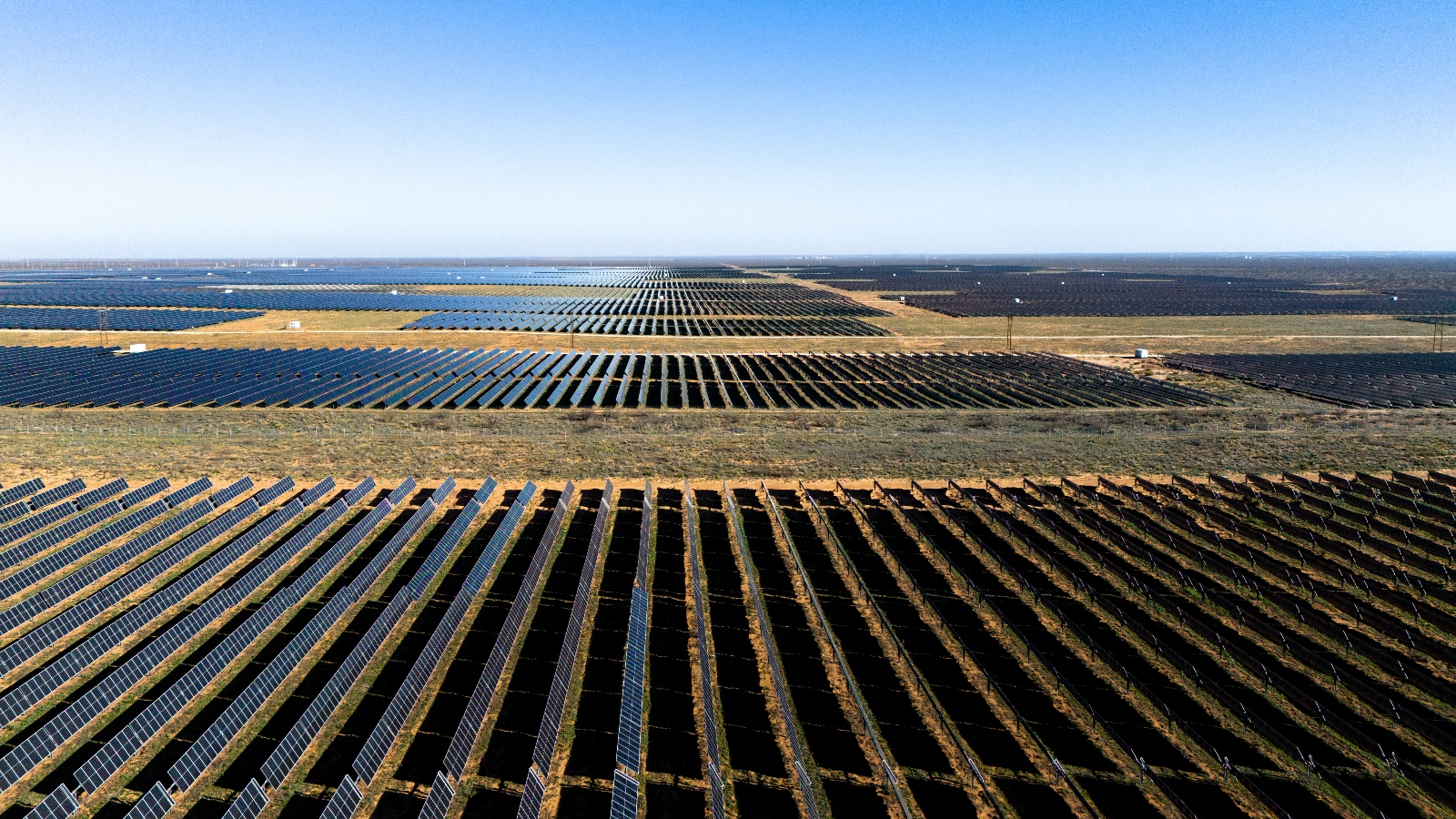
Solar power is about to overtake coal on the Texas grid for the first time in the state's history. The Electric Reliability Council of Texas, which manages the region's power market, expects to receive 78 billion kilowatt-hours from solar in 2026 compared to just 60 from coal—a milestone that reflects the speed at which the Lone Star State is abandoning fossil fuels in favor of renewable energy.
This shift matters because Texas, long synonymous with oil and coal, has become the nation's laboratory for clean energy at scale. Nobody is building new coal plants in the state anymore, while developers are adding more solar capacity there than anywhere else in the country. The trend isn't entirely year-round yet—last year solar beat coal monthly from March through August, and this year it's expected to do so from March through December—but the direction is unmistakable. By 2027, the U.S. Energy Information Administration projects solar will generate 99 billion kilowatt-hours in ERCOT's territory, a 27 percent jump in a single year that will leave coal in the dust.
The numbers reflect a deeper reality about how markets and geography shape energy futures. In the 1990s and early 2000s, Texas deregulated its electricity system, rejecting federal oversight in favor of free market competition. Coupled with abundant land and permissive building regulations, that choice created an ideal environment for renewable projects to flourish. Developers have responded by building tens of gigawatts of new solar and wind capacity alongside batteries that store excess solar power for evening demand. The grid reliability hasn't suffered—ERCOT manages peak hours using a diverse portfolio that includes gas plants, nuclear, wind, and increasingly those batteries that act as the system's shock absorber when the sun sets.
This outcome directly contradicts the energy narrative emerging from Washington, where the Trump administration has pursued "energy dominance" by propping up struggling coal plants with taxpayer money and blocking wind and solar developments on public lands. Officials argue coal is more reliable because it generates power around the clock, but the Texas data tells a different story: solar has already outpaced coal on an annual basis without compromising grid stability.
What makes Texas's path instructive is that it happened not through environmental mandate but through market mechanics. The state's deregulated system rewards whoever builds power cheapest and fastest, and solar has simply won that race. Nationally, wind and solar combined surpassed coal generation in 2024, according to clean energy research group Ember, but Texas is further ahead than the country as a whole.
For states that have made lofty climate commitments but struggled to build solar or batteries, Texas offers a roadmap: streamline permitting, accelerate grid connections, reduce the preferential treatment given to legacy utilities, and ensure clean energy gets a fair competition. These policy shifts don't require wholesale deregulation, but they demand a willingness to let markets work and old rules to be questioned when they protect incumbents at the expense of cheaper, cleaner power. As the Texas sun keeps rising and coal wanes, the message is clear—the future isn't being forced on America. It's being chosen by people looking for the cheapest, fastest way to keep the lights on.